Lions and Irons: the Dockers derby – a photo essay
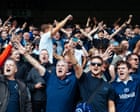
On 19 September 2026, Millwall hosted West Ham at the Den. It was the 100th competitive meeting between the clubs, and the first in 14 years.
The two teams are separated and connected by the Thames. They were formed around the heavy industries of east London’s docklands in the late 19th century and were geographically much closer then – Millwall on the Isle of Dogs and Thames Ironworks, from which West Ham emerged, around Canning Town. Before Millwall relocated south of the Thames to New Cross in 1910, both were north of the river and only a little over two miles apart.
Now the Lions, Millwall were known as the Dockers during their formative years. West Ham’s nickname, the Irons, refers to their origins among workers at the Thames Ironworks and Shipbuilding Company. Dock work was precarious and physically demanding. Men could turn up each morning with no guarantee of being chosen for work, and competition for a day’s labour could be fierce. That world fostered ideas of toughness, loyalty and hard work which still form part of how both clubs understand and present themselves.
-
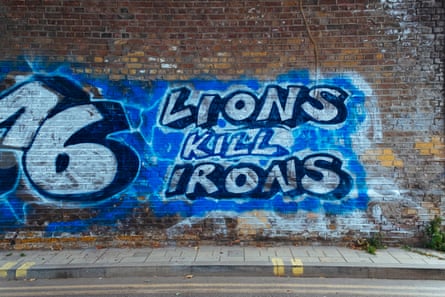
Straight to the point: graffiti on a wall near the Den.
With histories stretching back so far, it can be difficult to separate fact from folklore. One enduring story places the origins of the rivalry in the General Strike of 1926, when West Ham dock workers supposedly supported the strike while those at Millwall did not. Historians David Sullivan and Brian Belton dispute that version. Belton says the strike was solid in the Millwall docks, while only a handful of workers broke ranks around Canning Town. Yet the story has survived for a century and become part of the mythology surrounding the fixture.
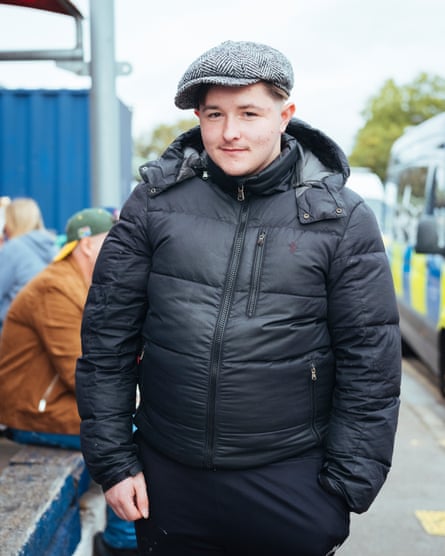
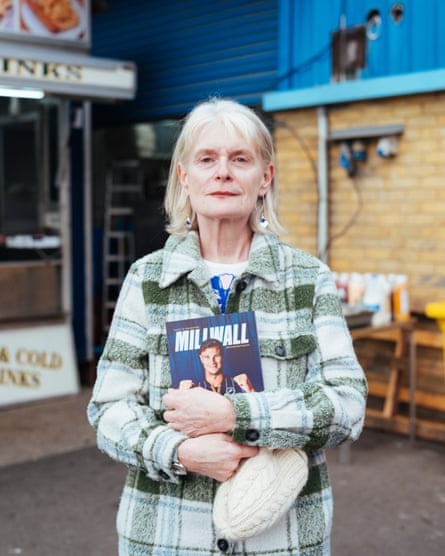

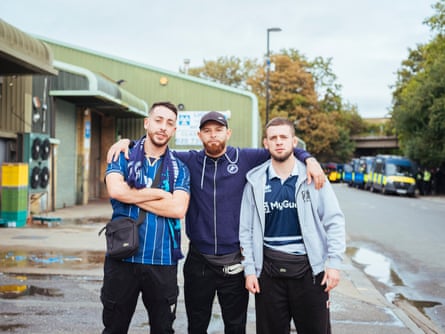
-
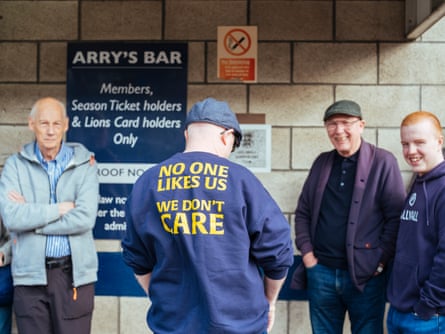
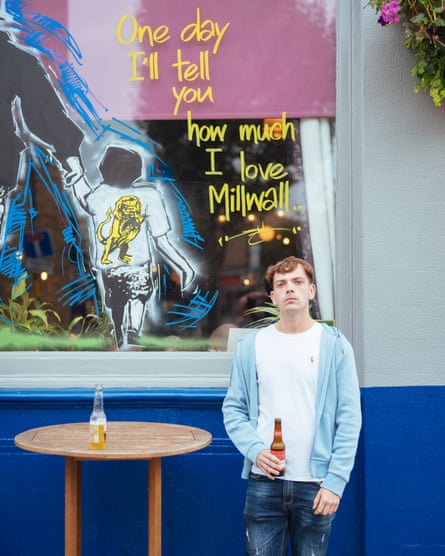
Millwall fans in the vicinity of, and outside, the Den.
The clubs’ histories first crossed in the 1890s, when Millwall Athletic played Thames Ironworks. Belton cautions against treating Thames simply as an earlier West Ham as the company team was dissolved before the new club was formed in 1900. Sullivan and Belton both question the idea of an ancient Dockers Derby. Much of the hostility associated with the fixture today developed later, particularly during the 1970s. There was serious disorder at Harry Cripps’s testimonial in 1972, despite Cripps being well-loved at both clubs, and in 1976 a Millwall supporter died after falling from a train, with some believing West Ham supporters were involved. When the clubs met competitively again in 1978 after a long absence, violence accompanied the fixture.
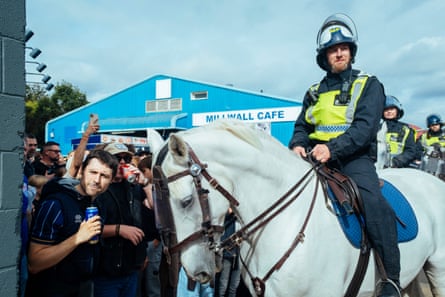
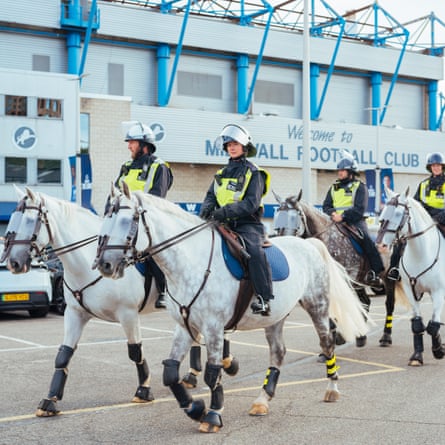
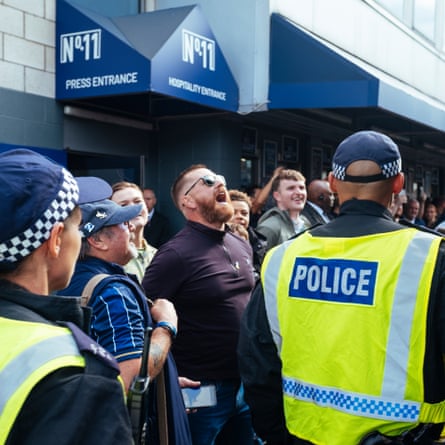
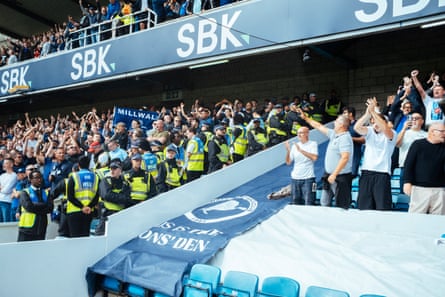
-
Mounted police keep fans at bay outside the Den and move across the car park; a Millwall fan shouts at the West Ham team bus as it arrives at the ground; a West Ham fan gesticulates towards Millwall supporters across a barrier blockaded by police.
It is perhaps more than coincidence that the rivalry intensified during the same period in which the industrial world from which both clubs had emerged was disappearing. London’s docks were closing, traditional industries were shedding tens of thousands of jobs and many surrounding communities were experiencing unemployment and economic decline. It would be too simplistic to draw a direct line between industrial decline and football hooliganism, but the two occurred concurrently. Football offered a place in which territory, masculinity, belonging and local pride could still be asserted at a time when some of the institutions that had previously provided those identities were disappearing.
Through the 1980s, 90s and early 2000s, the reputation of the rivalry was reinforced by occasional but memorable flashpoints. The most notorious came at Upton Park in 2009, when a League Cup tie was overshadowed by fighting outside the stadium, a stabbing and pitch invasions. Their two Championship meetings in 2011-12 passed without anything approaching the disorder of 2009, and after that they did not meet competitively again until this season.
Both clubs carry reputations for violence, reinforced by films such as ID and Green Street, and the Dockers Derby amplifies that mythology further. Despite predictable heated posts and banter on social media, there was a general feeling before Saturday that the day would pass without serious trouble, which it mostly did.
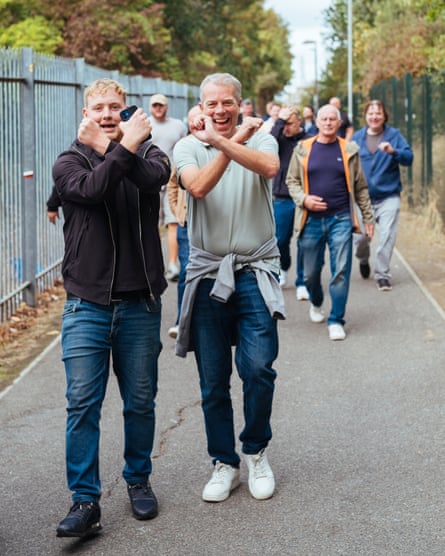
There is suspicion towards journalists, including photographers, among both fanbases, and people on both sides warned me to be careful. I had a few choice words thrown at me during the day, but they came from a minority. What was far more visible was the strength of community around the clubs and the friendliness and warmth of the majority of supporters I spoke to and photographed.
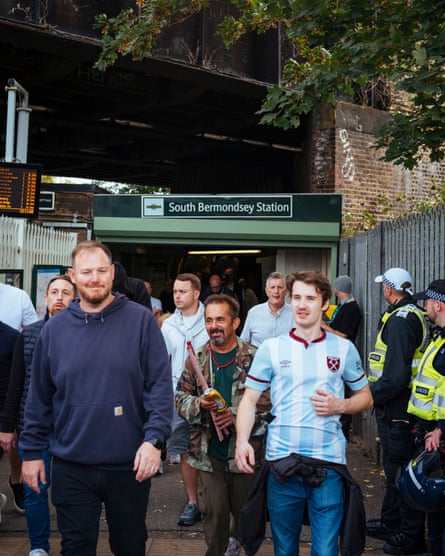
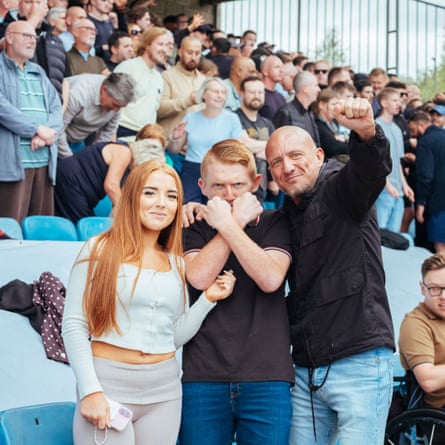
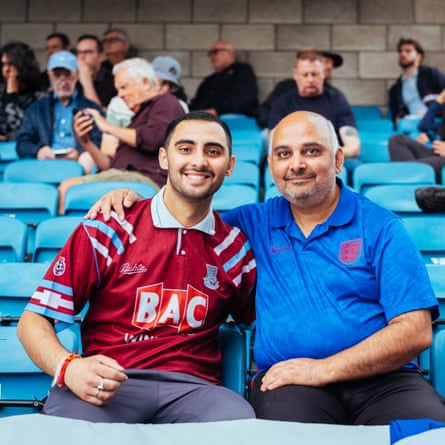
-
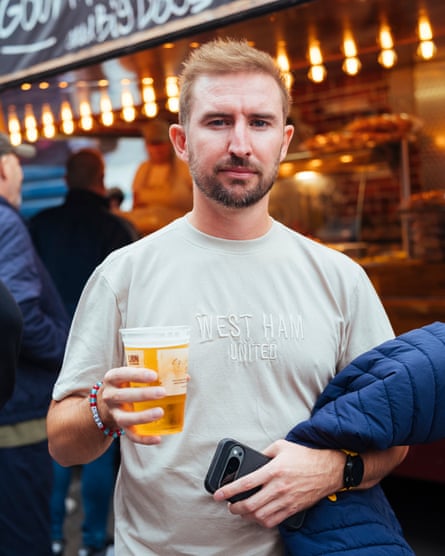
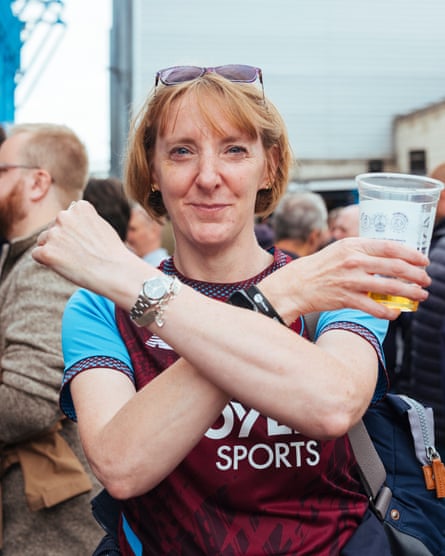
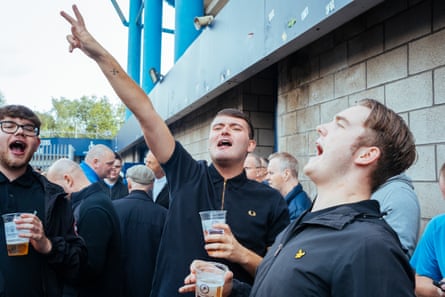
West Ham fans making their way to the ground, at the fan zone and inside the Den.
The game was broadcast live on ITV. Kick-off was moved to 12.30pm, limiting the time available for drinking beforehand, and an extensive police operation involving about 400 officers was put in place. West Ham received just 1,774 tickets in a crowd of about 20,000 and most of their supporters avoided wearing club colours. They were instructed to travel via London Bridge to South Bermondsey, from where they were escorted to the away end.
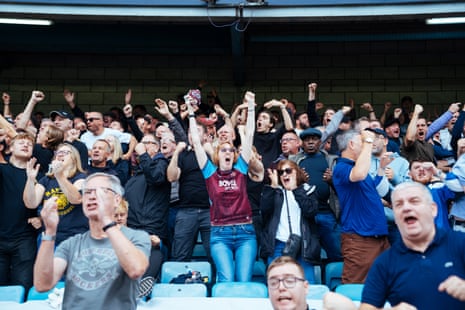
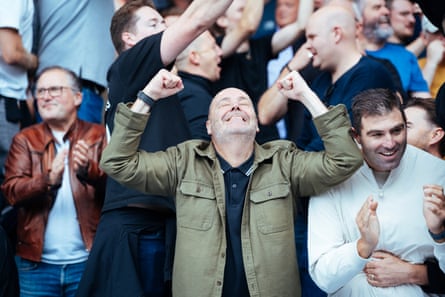
West Ham arrived at the Den top of the table and having recently beaten Wrexham 6-0, but Millwall, despite dealing with a number of injuries, dominated much of the first half and went into the interval two goals ahead. West Ham found their way back into the game and equalised with 10 minutes remaining. Each goal produced an explosive reaction from the stands, but the equaliser was the only point when the crowd appeared in danger of spilling over, with additional police support called in. In the 89th minute, as Kyrell Lisbie broke through on goal, Mohamadou Kanté pulled him down, earning a straight red card and possibly denying Millwall a winner. It finished 2-2, a result both clubs could find reasons to be disappointed and satisfied with.
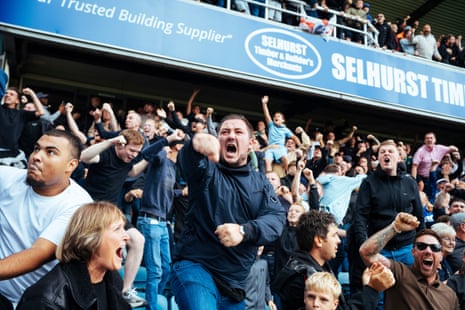
-
The Lions dominated the first half and the home side went in at the break two goals to the good, courtesy of Caleb Taylor and Camiel Neghli.
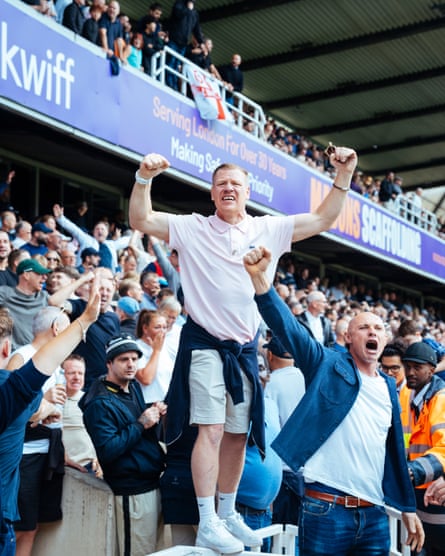
-
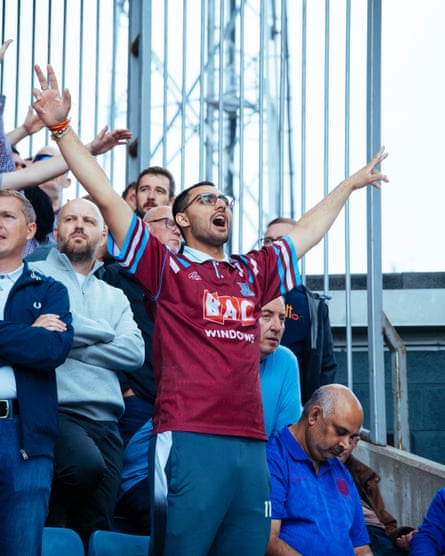
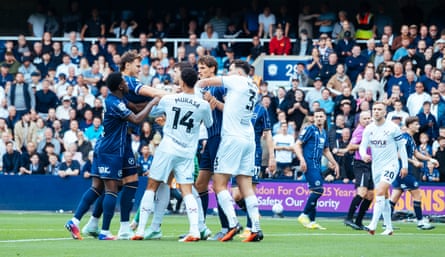
A West Ham fan sings in the stands; Jake Cooper of Millwall and Morato of West Ham square off as their teammates try to separate them (below).
-
Mohamadou Kanté got West Ham back in the game in the 74th minute and six minutes later Konstantinos Mavropanos restored parity.
Afterwards there were a few brief scuffles between Millwall supporters and police outside the ground, but they quickly petered out. Within minutes, young fans were waiting by the stadium for autographs while others stood around discussing the match.
To an outsider, the similarities between Millwall and West Ham can appear greater than their differences. Many supporters I have met have friends or relatives on the other side, and both clubs draw heavily on values of working-class London such as toughness, loyalty and authenticity. Yet when they meet there remains real animosity among sections of both fanbases. Perhaps that is part of what gives the rivalry its intensity – both clubs are competing, in different ways, to represent a similar place, culture and identity, and to claim themselves as the more authentic expression of it.
Millwall and West Ham have now played one another across three centuries. The docks that gave the fixture its name have largely disappeared, the clubs have moved further apart and competitive meetings have become increasingly rare. But the competition over what each club represents, and the need to distinguish one side from the other, has survived.
-
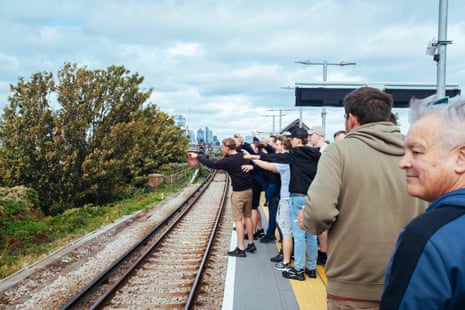
West Ham supporters argue across the rail tracks with Millwall supporters on the road below.
KioskNews shows a cleaned-up reading view extracted from the publisher’s page — the original always lives on their site, not ours.