How PIP and other benefits could change for millions under Labour’s welfare options

Two major reviews recommending sweeping changes to the UK’s welfare system have been delivered to the government, laying out how benefits could change for millions in the near future.
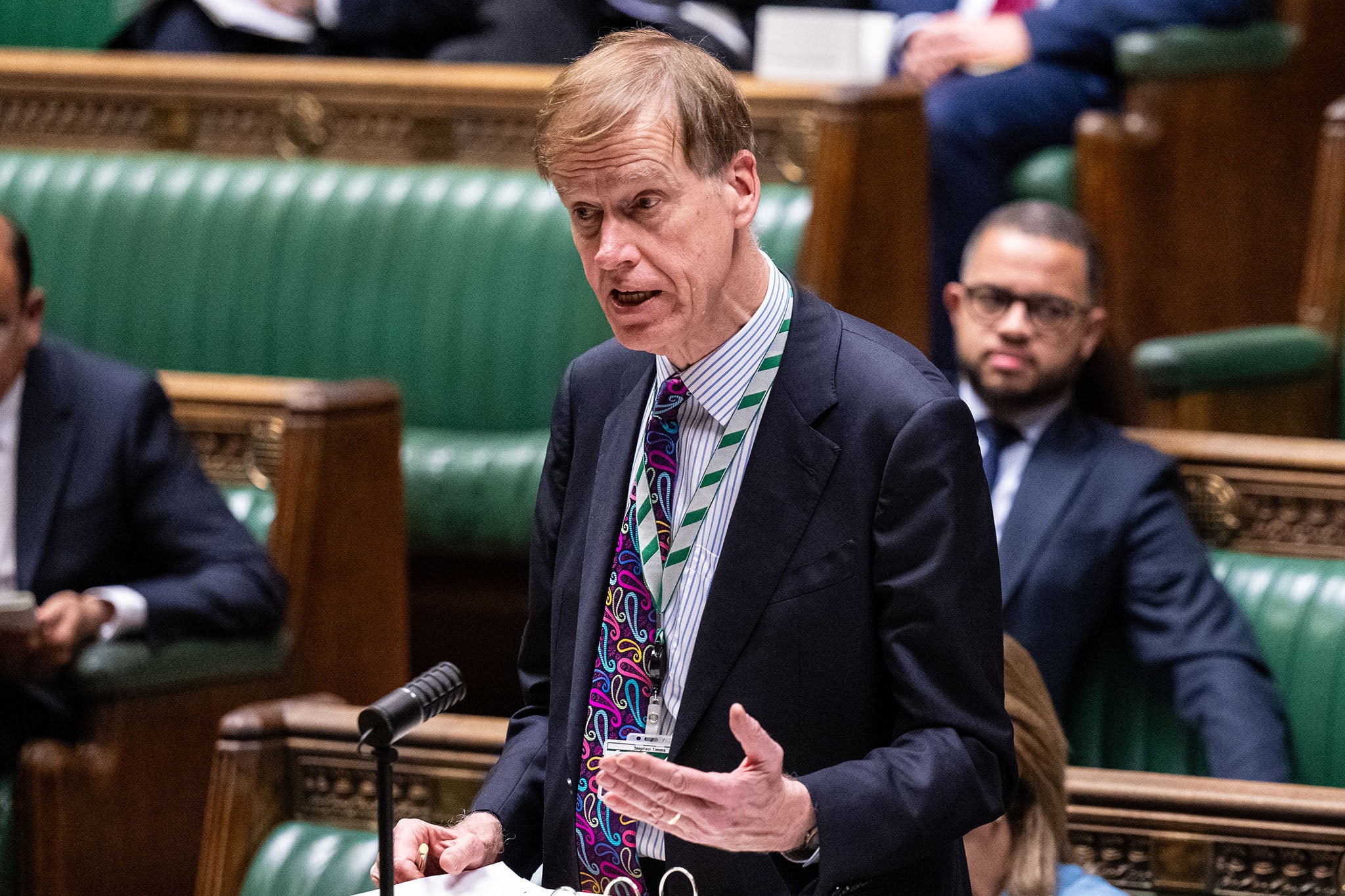
Disability minister Sir Stephen Timms’ report on the Personal Independence Payment (PIP) this week laid out how ministers could improve the benefit in the short term and reform it in the future.
It came shortly after former health minister Alan Milburn published his report on young people and work. This was much wider in scope, covering public services from the welfare system right through to health and employment support.
The government will draw from both reports in a new year white paper, spelling out the exact changes MPs will vote on. Key differences between the two mean it will be down to prime minister Andy Burnham and his cabinet to decide which recommendations to take forward.
Mr Milburn recommended a wholesale upheaval for under-25s, removing both Universal Credit and PIP in favour of a new system closely tied to work.
The proposal appears at odds with Sir Stephen’s report, which called for PIP – too often “dehumanising” under current rules – to be improved for all claimants, regardless of age or work status.

Here are the most likely options on the table:
Reform PIP – but remove it for younger claimants
A new system that combines the recommendations of the two reports in this way is one of the most obvious routes the government could take to try and keep all sides happy.
It would deliver the £3.6bn annual welfare savings identified by Mr Milburn to fund employment support, while delivering many of Sir Stephen’s cost-neutral improvements for claimants over the age of 25.
Although Sir Stephen did not recommend splitting benefits by age, he admitted in the Commons that Mr Milburn made the argument “pretty compellingly” that “given the Neets crisis which developed after 2021... a different approach is needed for young people”.
Ministers may take this as a sign that Sir Stephen would not speak out against a split welfare system next year.
Some experts have already pushed back, however. The influential Resolution Foundation said it made “no sense” as it would “create extra administration for government and large cliff edges for young disabled people themselves”.
Louise Murphy, senior economist at the think tank, told The Independent: “I think there’s a much stronger case for saying Universal Credit job search support, a lot of the things Milburn talked about, is quite different for younger people.
“But when it comes to PIP, which is this extra-cost disability benefit, [the conditions and needs of] young people look a lot less distinctive than you might think.”
New PIP assessment for over-25s – and a million claimant squeeze
Alongside immediate fixes welcomed by disability campaigners, Sir Stephen recommended a longer-term redesign with further-reaching implications.
Central to this is a new ‘impact assessment’ to replace the current points-based system, looking more closely at how a condition affects daily life and increases living costs over time.
Following the reports, the prime minister said he would not “shy away” from welfare reform, vowing to do “everything that I can, as quickly as possible, to get the welfare bill down”.
He also reiterated a view expressed by both that “where claimants do not have additional costs or care needs, we should be signposting them to services and support.”
Resolution Foundation analysis suggests around 16 per cent of working-age PIP claimants – 544,000 of the 3.4 million working-age people currently receiving the benefit – do not incur ongoing extra costs, estimating that ending their awards could save up to £4.4bn a year by 2029-2030.
If taken alongside Mr Milburn’s plan to scrap PIP for the more than 453,000 under-25s currently claiming it, nearly one million claimants would no longer be entitled.
The two reports do align on severe cases, with ministers already accepting Timms review recommendations to introduce fast-track routes for people with severe or terminal conditions, and cut unnecessary award reviews for lifelong illnesses.
Whether ministers adopt Mr Milburn’s youth benefit overhaul in full, soften it, or pair it with a narrower PIP assessment for older claimants will become clear in the new year when the government reveals its white paper to MPs and the nation.
KioskNews shows a cleaned-up reading view extracted from the publisher’s page — the original always lives on their site, not ours.