Monsoon's gone, El Nino isn't: Why India's weather worries are far from over
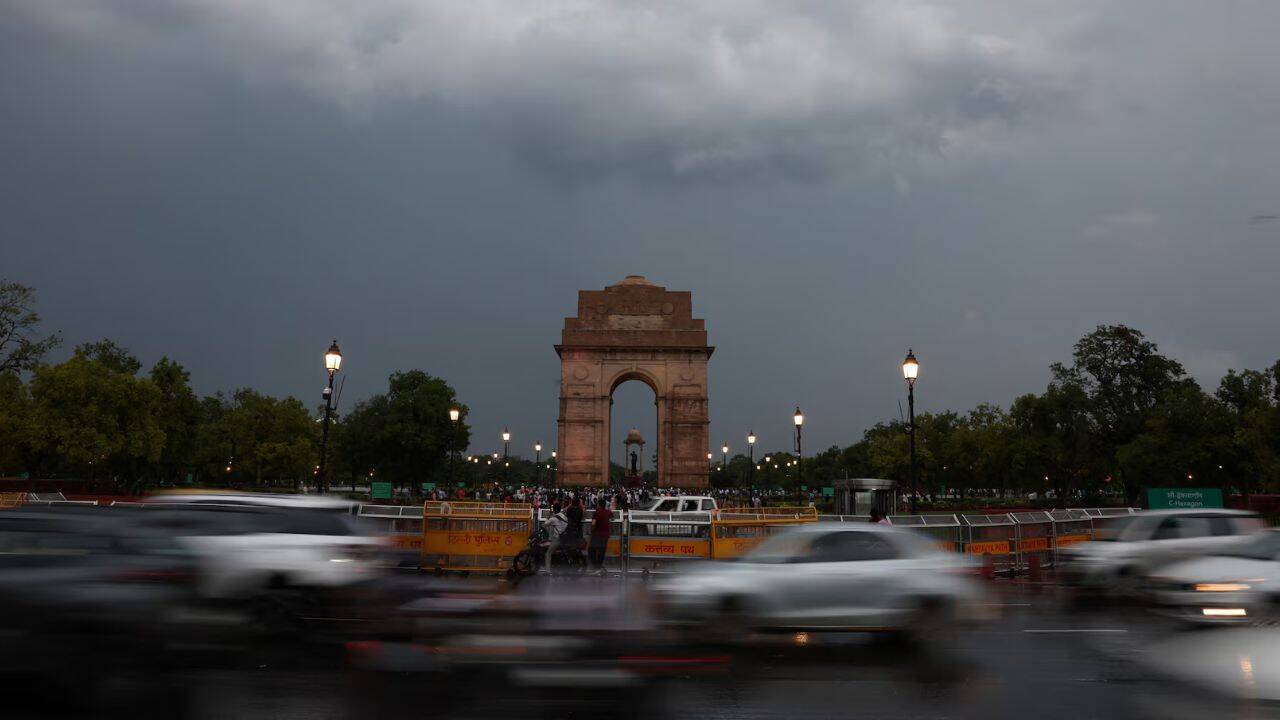
El Niño is putting the world on alert, and India could be among the countries facing its next major weather test. After a monsoon marked by a 13 per cent rainfall deficit, attention is shifting to whether the climate phenomenon will bring a warmer winter, disrupt rainfall patterns and add to the pressure on agriculture.From Indonesia’s raging wildfires to an unusually active Pacific hurricane season, its effects are already emerging across the globe. Now, the question is what a strengthening El Niño could mean for India in the months ahead.According to the BBC, El Niño has been strengthening for several months and is already influencing weather patterns worldwide, with Indonesia experiencing its worst wildfire season since 2015, heightened hurricane activity in the eastern Pacific and reduced monsoon rainfall in India.The World Meteorological Organization (WMO) has warned that the phenomenon could intensify further towards the end of 2026 and persist into 2027, raising concerns over its potential impact on temperatures, rainfall and extreme weather events across different regions.For India, the immediate concern is whether the strengthening El Niño will compound the effects of the deficient monsoon and influence winter temperatures, rainfall and agricultural conditions in the coming months.
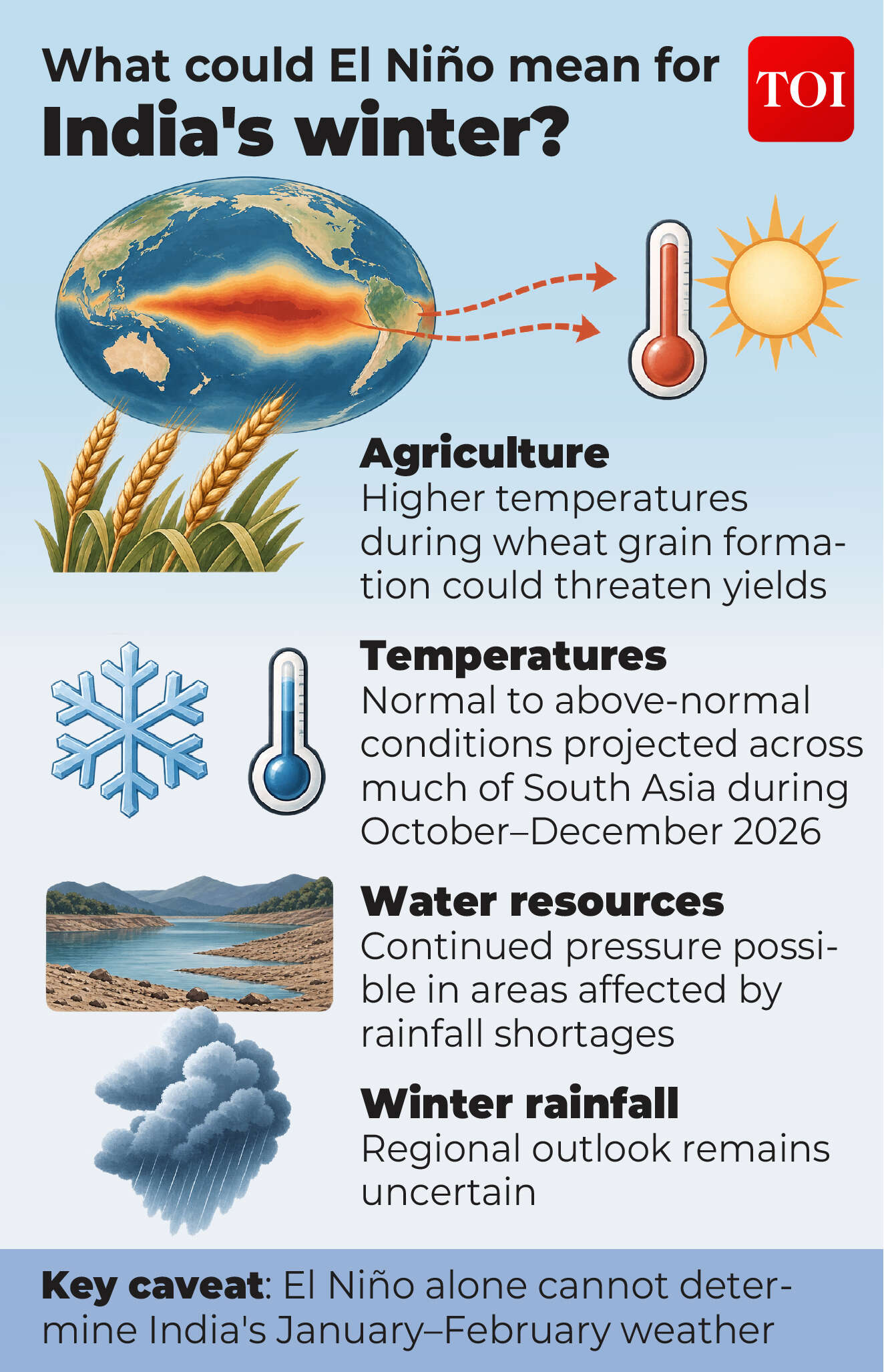
What is El Niño and how does it affect India's weather?El Niño is a climate phenomenon characterised by unusually warm sea-surface temperatures in the central and eastern equatorial Pacific Ocean. It is the warm phase of the El Niño-Southern Oscillation (ENSO), a natural climate pattern that influences atmospheric circulation, wind systems and rainfall distribution across the world.For India, El Niño is closely watched because it is generally associated with a higher risk of below-normal southwest monsoon rainfall.The warming of Pacific waters alters atmospheric circulation and can weaken conditions that support the Indian monsoon, increasing the possibility of prolonged dry spells and rainfall shortages.While central India received near-normal rainfall, eastern and northeastern India recorded a 26 per cent deficit, classified as an exceptional drought, while southern states received 24 per cent less rainfall than average, according to the BBC.A strengthening El Niño could contribute to warmer-than-normal conditions in parts of India, potentially increasing pressure on water resources and agriculture.The World Meteorological Organization (WMO), citing the South Asian Climate Outlook Forum, projected normal to above-normal maximum and minimum temperatures across much of South Asia during October–December 2026.Higher temperatures later in the winter could also threaten wheat yields if heat coincides with the grain-filling stage, although the impact will depend on actual weather conditions.However, conditions in January and February will depend on evolving climate patterns, including western disturbances.
Global impact of El NiñoEl Niño is expected to push temperatures higher across much of the world while shifting rainfall patterns, increasing the risks of drought, wildfires and flooding in different regions.
In Southeast Asia, including Indonesia, hotter and drier conditions are raising wildfire and drought risks.
In contrast, parts of East Africa could experience heavier rainfall and flooding, while drought risks remain a concern in other areas.El Niño is also influencing tropical storms. The eastern Pacific has experienced heightened hurricane activity, while stronger upper-level winds over the Atlantic have suppressed hurricane development.In South America, its effects vary, with drier conditions possible in parts of the Amazon and increased rainfall and flooding in some southern areas.
KioskNews shows a cleaned-up reading view extracted from the publisher’s page — the original always lives on their site, not ours.