She’s delivered 2,000 babies. The measles outbreak changed her mind about vaccines.
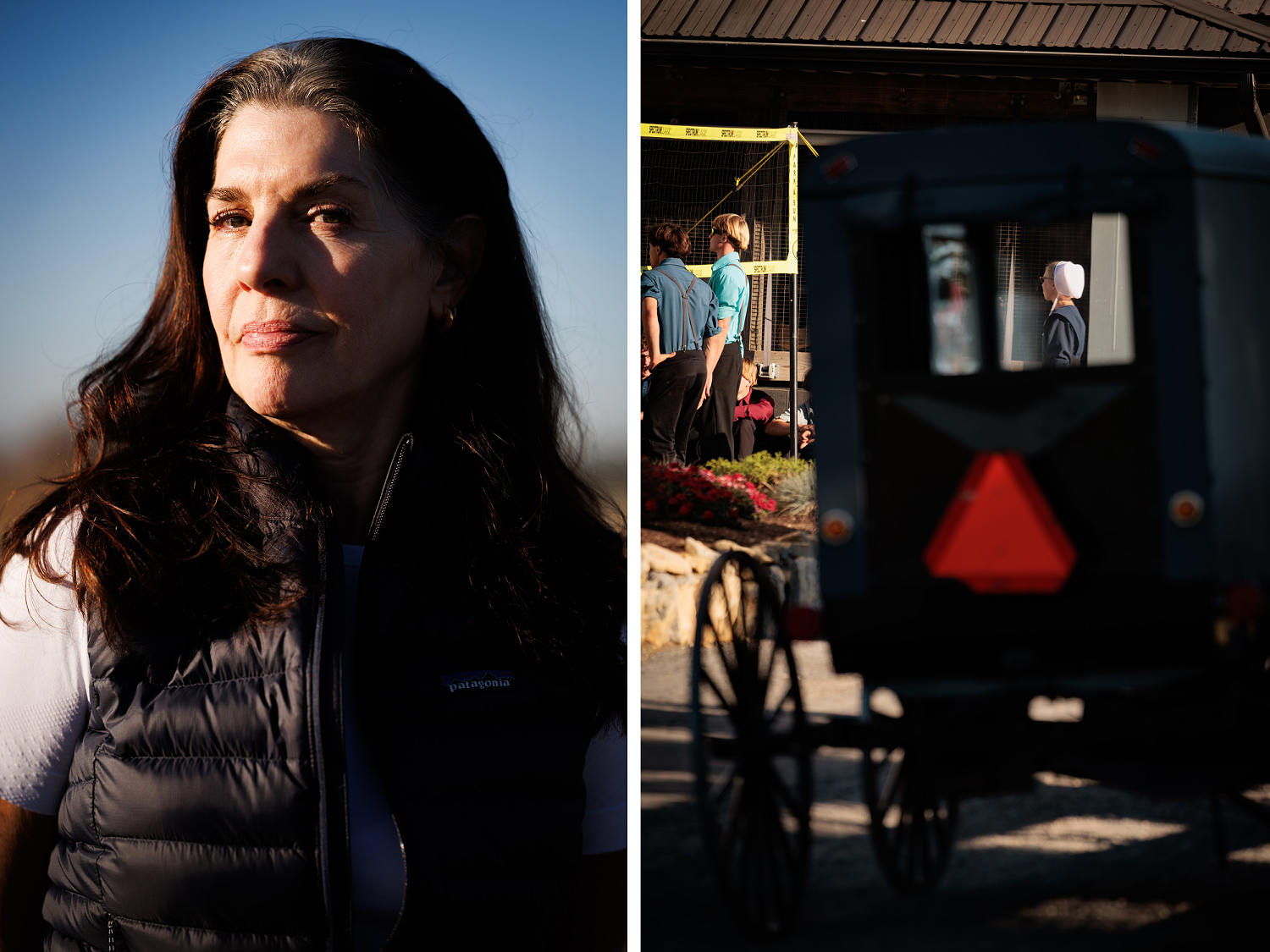
This is part of The Vaccine Divide, a data investigation into America’s potential loss of its measles-free status as the deadly virus roars back and childhood vaccine defenses continue to crack and crumble.
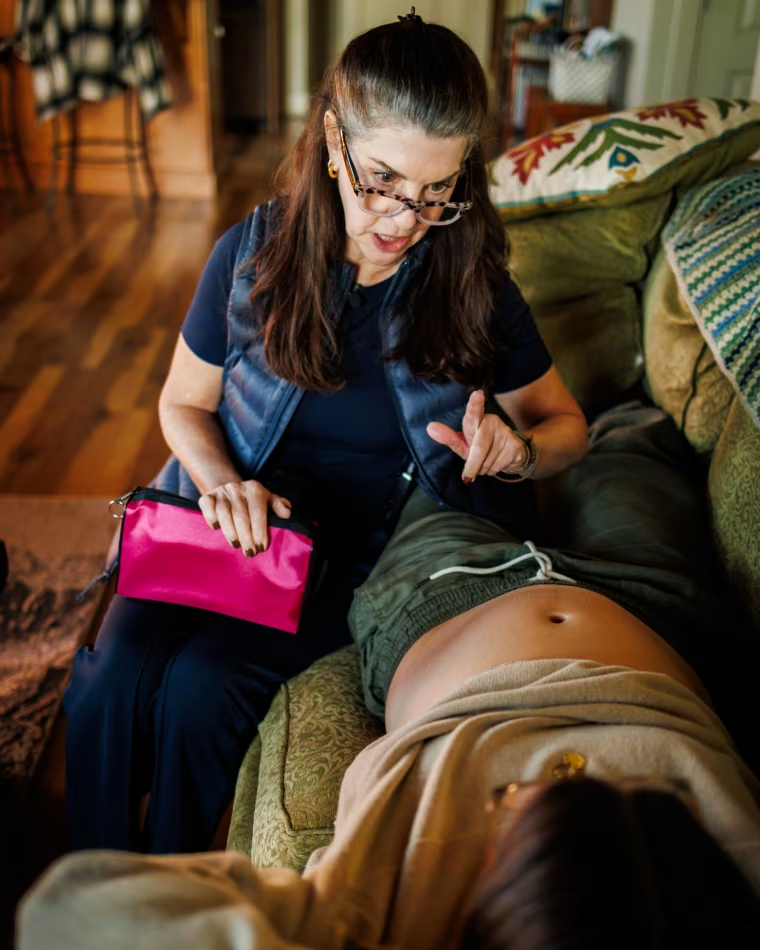
When Roberta Devers, a midwife in Lancaster County, Pennsylvania, did a prenatal check on an expectant mom this week, the woman — a member of the Amish community in her third trimester — had been sick with measles.
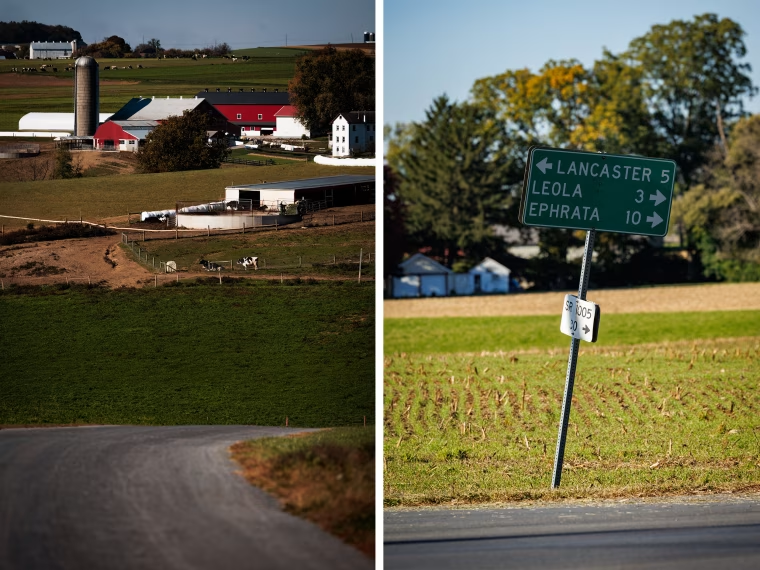
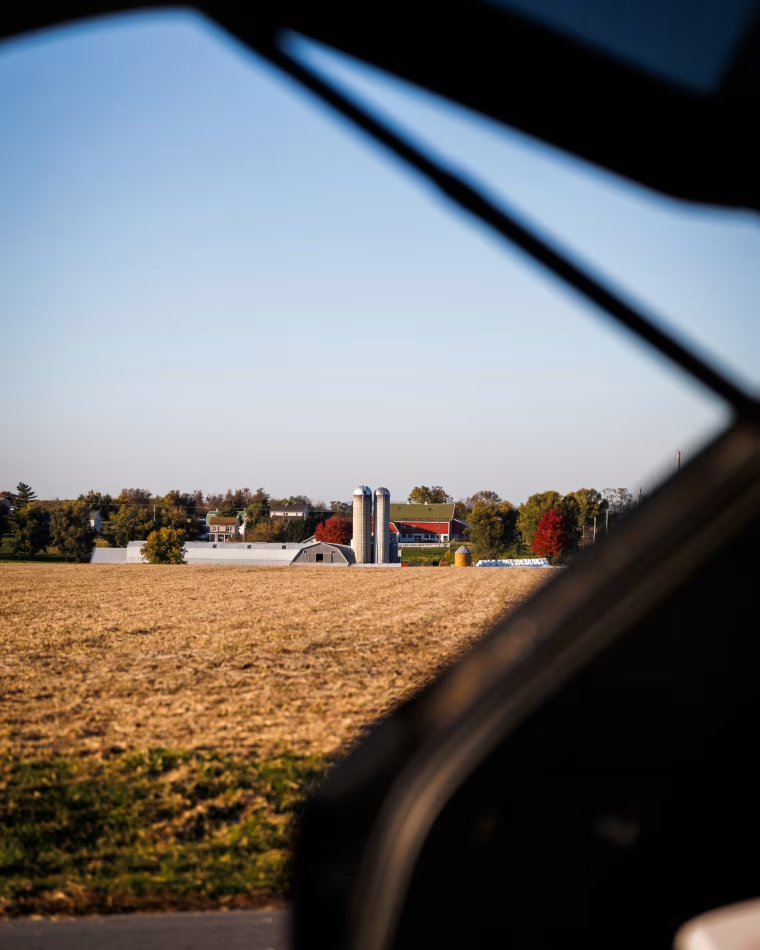
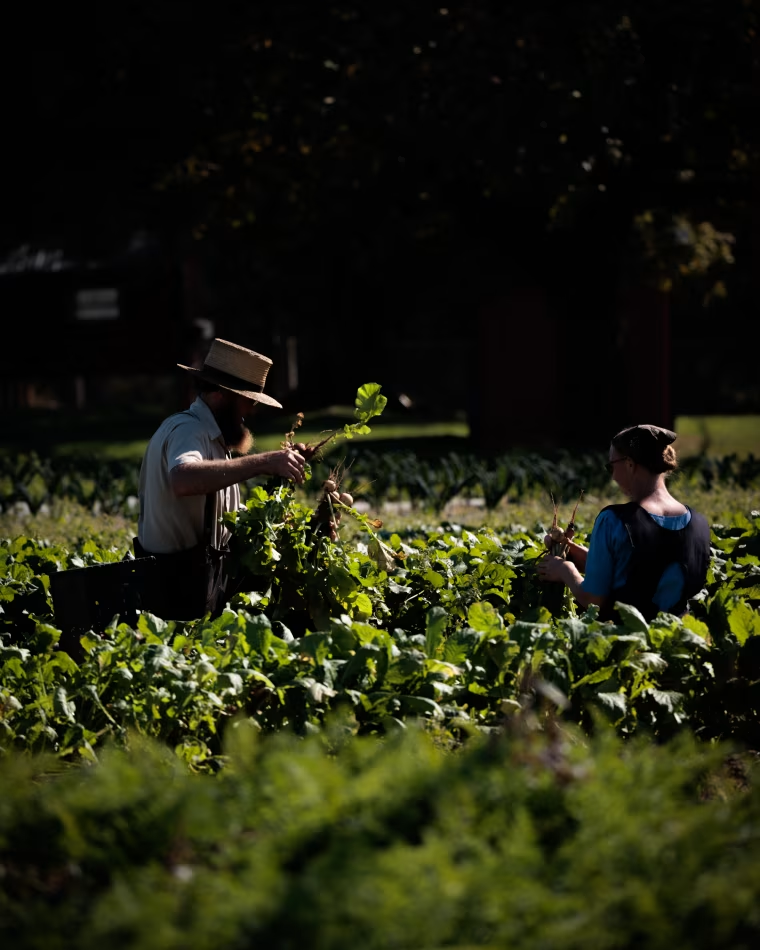
Devers said she has cared for dozens of pregnant women infected with the virus since measles began spreading rapidly in the county in April. Lancaster County is largely rural, with sprawling family farms.
“Every single day,” she said, “someone’s calling to ask what they do. They’re pregnant and they’ve gotten it, or their babies have gotten it.”
Devers, 63, estimates she has delivered nearly 2,000 babies in her 38-year career. She has a degree in maternal and fetal health, but she is working as an unlicensed, traditional midwife in Pennsylvania, independent of the hospital systems and without physician oversight. State law bars traditional midwives from practicing medicine.
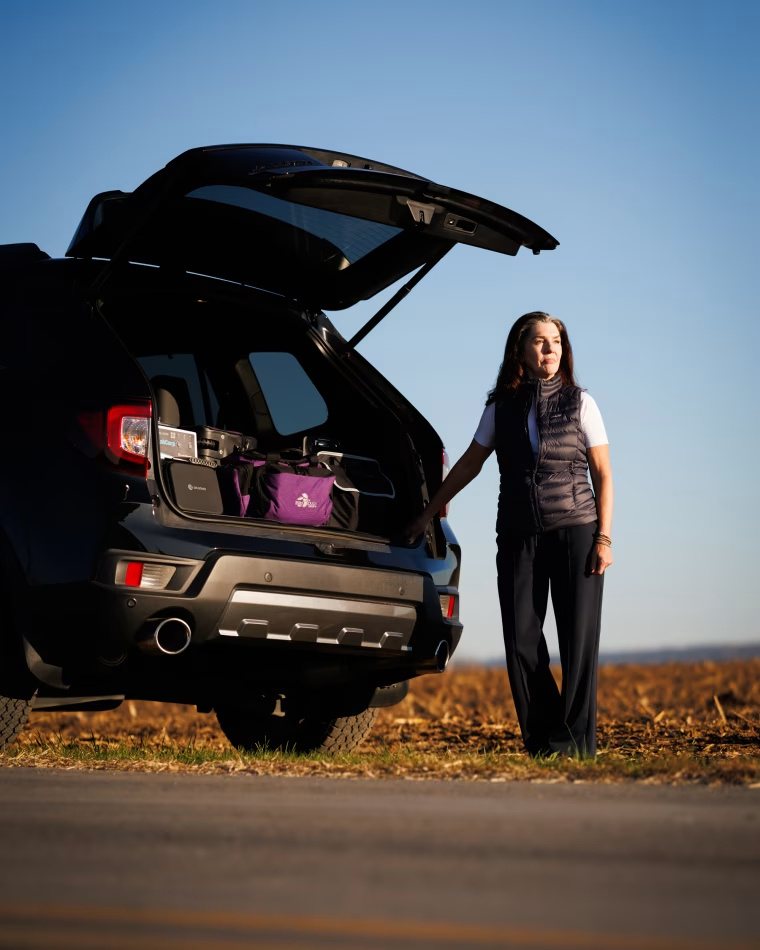
Devers said she questioned immunizations as a young mother and never vaccinated her son.
“There was as much information against vaccines as there was about the efficacy of vaccines,” she said. “It was difficult to know who to trust and who to believe.”
Her experiences in Lancaster County’s outbreak have changed her mindset.
“Numbers and books became people,” she said. “It was humanized by watching what was happening to the mothers I was serving.”
In mid-October, the Pennsylvania Health Department alerted doctors about a rise in measles infections in pregnant women and newborns. As of Wednesday, state health officials had confirmed measles in 97 pregnant women. There’s no data, however, on how many miscarriages have occurred because of measles.
Devers said one of her young mothers went into labor at 17 weeks, losing her baby. “There was no doubt in my mind that it was the measles,” she said. “Two weeks earlier, she had gotten the measles and then miscarried.”
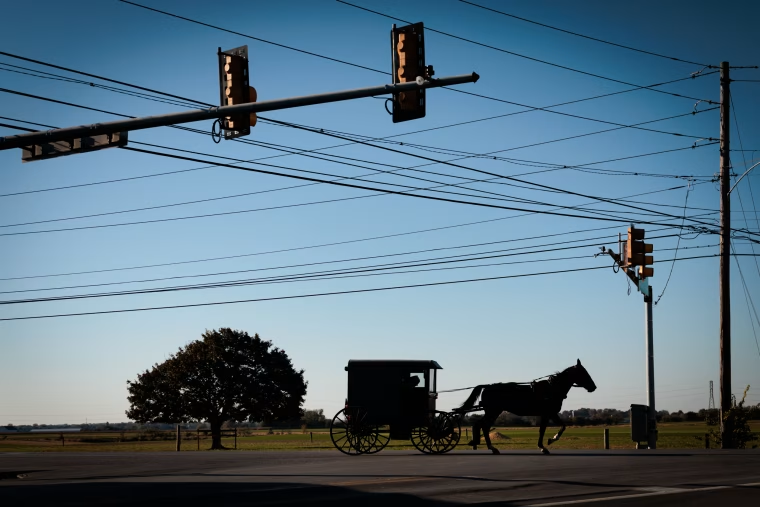
Midwives like Devers are the closest many pregnant women in the community come to mainstream medicine. Medical or vaccination clinics aren’t always easy to reach in rural areas, especially for Amish families who rely on horses and buggies for transportation.
The families tend to rely heavily on health advice from midwives because they work with generations of women in the same families. Devers even offers a discount to her longtime clients: After nine babies have been delivered, the 10th is free.
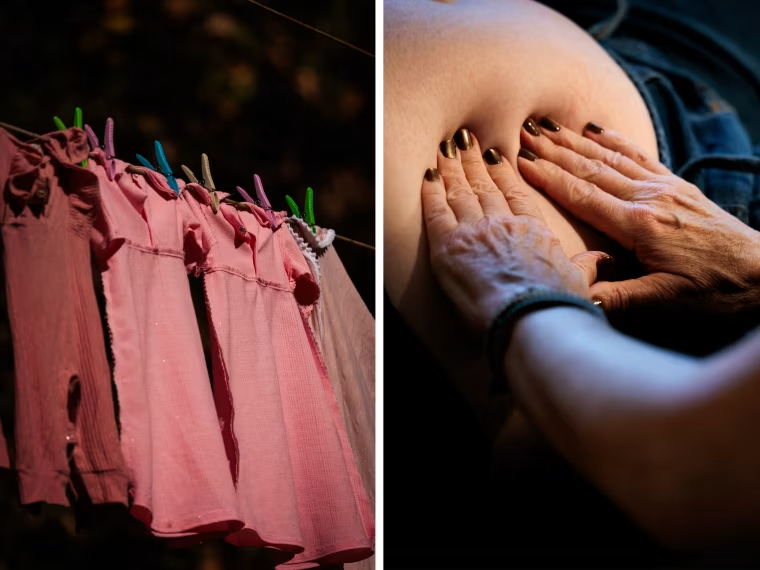
“We’re involved in the most intimate experience of their lives. We’re in their bedrooms. We have long conversations at the kitchen table about health,” Devers said. “We are their trusted practitioners.”
Devers can give advice to isolate, minimizing spread of the highly contagious virus. She can explain the risks of measles infections during pregnancy, such as preterm birth and miscarriage. She can’t do the thing experts say is critical in curbing the outbreak: administer measles vaccines.
“People ask me, ‘Do you have that vaccine in the car?’” she said.
Many inquiries are from unvaccinated husbands, she said, wary of being exposed to measles at work and then bringing the virus home to their wives and children. “I have to say no. Midwives requested directly to the Health Department that we be allowed to carry this vaccine, and we were told no.”
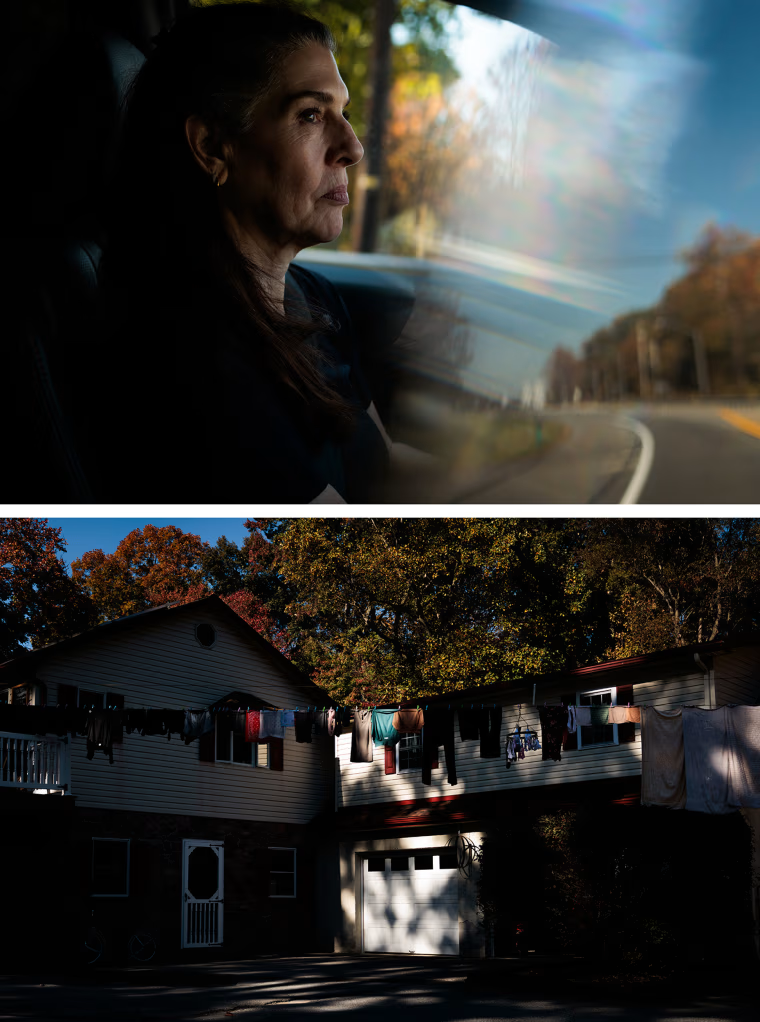
The Pennsylvania Health Department said in a statement that it “does not have the authority under current state law to allow traditional midwives to administer vaccines, nor does DOH regulate the practice of medicine in the Commonwealth.” Any change would need to come from the Legislature.
There are opportunities for people to get the measles vaccine in Pennsylvania, and those shots can come from certified, licensed nurse midwives under state law. The Health Department said it has given nearly 11,000 measles-mumps-rubella vaccinations this year.
A survey of Amish families in Lancaster County found that nearly half had home births in 2022. Those families have increasingly rejected routine childhood vaccinations. Less than a third — 30% — said they vaccinated their children in 2022, compared with 52% in 2014.
A new NBC News/Stanford University data investigation reveals how far measles vaccination rates have plummeted not just among the Amish, but also nationwide.
As of the start of the 2025-26 school year, 75% of U.S. counties and jurisdictions with measles-mumps-rubella vaccination data fell below the threshold needed for herd immunity for measles, up from 67% in 2024-25.
Lancaster County is a prime example. Before the pandemic, the county’s MMR immunization rate was 95.5%, the level needed to prevent an outbreak. Last school year, just 87.6% of kindergartners in the county had received measles shots, NBC News data found.
Some parents stopped getting routine childhood vaccinations in the 1990s and early 2000s, when misinformation about the safety of the shots began to catch fire. Those children are now old enough to become parents themselves, like Hannah Garman, 27, of Lancaster County. She’s due in early December with her third baby.
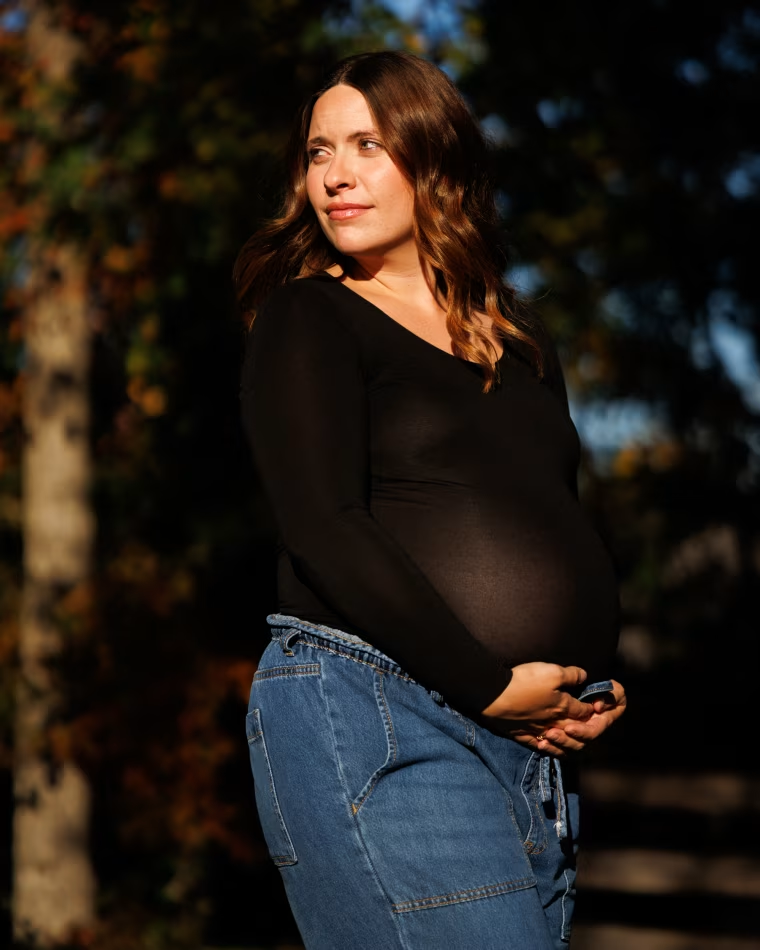
“We weren’t raised with doctors when I was young, so I actually never got them,” Garman said, referring to vaccines. She is taking modest precautions to stay away from people who are sick, but she is largely relying on a good diet and her Christian faith to protect her from catching measles in the outbreak.
As of Wednesday, 1,505 cases had been reported in Pennsylvania. More than a third are in Lancaster County.
‘Babies gasping for air’
Pregnant women are unable to get the measles vaccine because the shot contains a weakened but live version of the virus.
Devers said the illness is affecting her clients in different ways. “Some are still on their feet doing their chores and working. Some are absolutely flattened by it.”
Most children who catch measles will recover without problems. But some do develop complications and must be hospitalized.
“Babies gasping for air, children needing oxygen and respiratory support, patients on ventilators. We see babies and children coming in with infections of organs within the abdomen, their liver, dehydration, babies that can’t take bottles,” said Dr. Evan Shirey, a pediatric infectious disease physician at Penn State Health Golisano Children’s Hospital in Hershey. “It’s honestly just been horrifying to watch.”
Shirey has a 3-month-old son who is too young to get the measles shot. “I’m experiencing the outbreak as a doctor, but I’m also experiencing it as a dad, and I can’t protect my baby yet with a vaccine,” he said. “It’s scary.”
Some children are developing brain inflammation called encephalitis, which may take months to resolve or be irreversible in some cases, Shirey said. Others are born with congenital measles. At least two babies in the state have died.
How midwives could mitigate the spread
Nearly all states have similar laws barring traditional midwives from giving vaccines without a doctor’s backing. New York recently declared a disaster emergency in response to its growing measles outbreak allowing unlicensed healthcare practitioners with a certain level of training or authorization, including some midwives, to give vaccines.
It’s a step Katherine Wells, public health director for Lubbock, Texas, said she wishes she would have taken during last year’s outbreak among Mennonite communities in Gaines County. Using personal relationships between midwives and families would have been a good way to mitigate spread, she said.
“During the emergency is not the time to be passing out your business card. You have to know those people,” Wells said. It’s critical in rural communities, she said, “especially in ones that are more religious and even more distrustful of government, to find individuals in that community who can speak to that community’s way of doing things.”
Wells said she had the ability to train front desk staffers at the Public Health Department to deliver vaccines during the outbreak. “Theoretically, that order could have gone to midwives.”
In Wisconsin, where a baby with measles has died, Korina Bauer, a certified nurse midwife in Shawano County, said she’s working with county Public Health Department colleagues to set up a measles vaccination clinic for her clients, many of whom are Amish. The state reports 551 measles cases as of Wednesday.
Bauer is counseling two pregnant Amish women whose husbands were exposed to measles. “They’re concerned and want to know more about symptoms,” she said. “There is a lot of curiosity.”
Devers said the Pennsylvania Health Department recently invited her and other midwives to an upcoming measles education webinar.
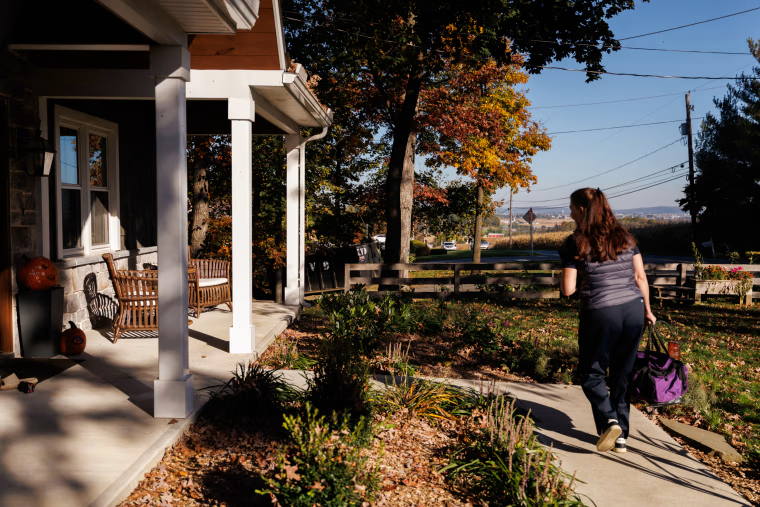
“There’s a lot of home birth midwives in the state of Pennsylvania, and if they were given the opportunity to immunize, it would be another opportunity to quickly get people vaccinated,” she said.
There are early signs that the spread may be slowing in Pennsylvania, with just 73 new cases reported this past week.
That doesn’t mean the outbreak is over. November is the start of the traditional wedding season for many Amish families, timed to occur after the fall harvest. Weddings are usually quite large, easily topping 300 to 400 people.
The pregnant Amish mom Devers visited this week said she has recovered from her measles infection and is feeling well enough to attend a wedding scheduled for Thursday. It appears the event will go on even though, Devers said, the bride has measles.
KioskNews shows a cleaned-up reading view extracted from the publisher’s page — the original always lives on their site, not ours.