Government urged to ‘come clean’ on new alcohol tag scheme used on early release prisoners
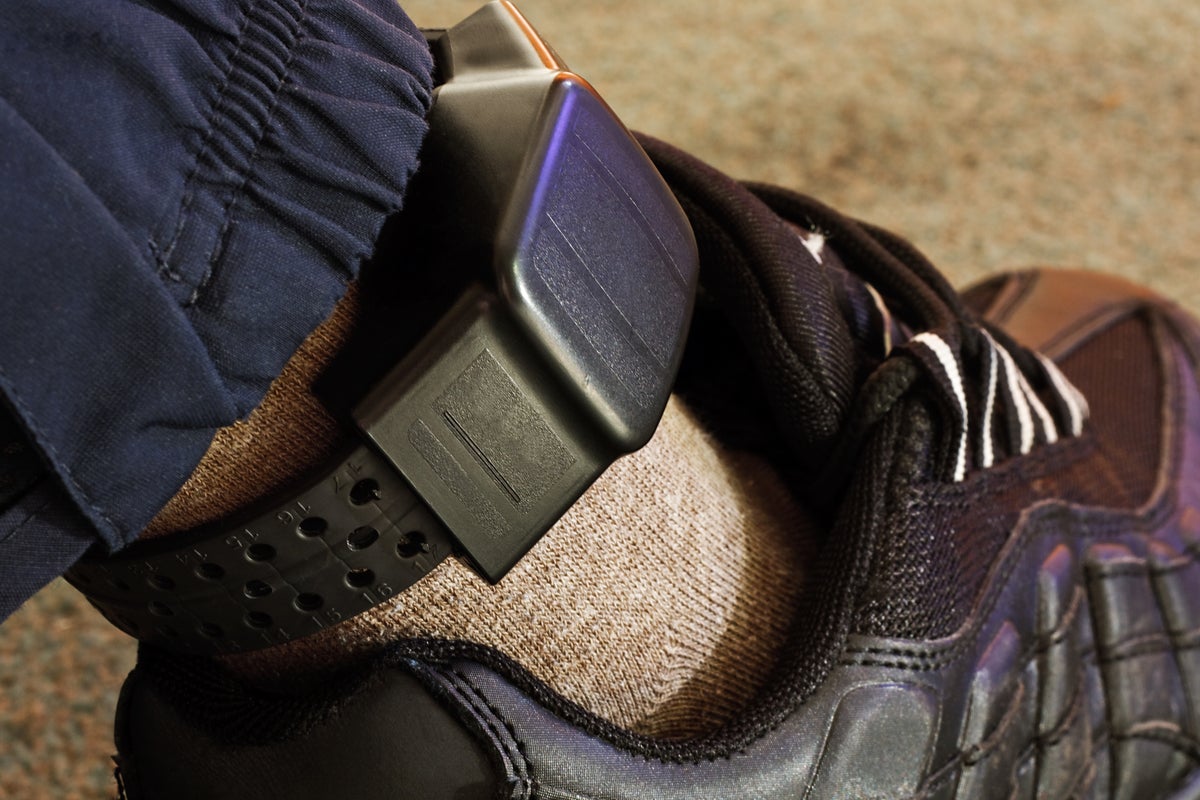
Ministers face demands to “come clean” on a decision to introduce a new alcohol monitoring device for offenders despite the current model having a near to 100 per cent success rate.
Tory shadow justice secretary Nick Timothy has asked for the Ministry of Justice (MoJ) to publish evidence supporting the change in model for alcohol tags which is closely linked to the controversial early release scheme and attempts to tackle domestic abuse and reoffending.
Since national rollout began in 2020, the current tags manufactured by SCRAM Technologies have been used under court orders and on prison release licence conditions in a bid to prevent alcohol abuse recidivism.
The MoJ’s own statistics showed that offender compliance rates were in excess of 97 per cent.

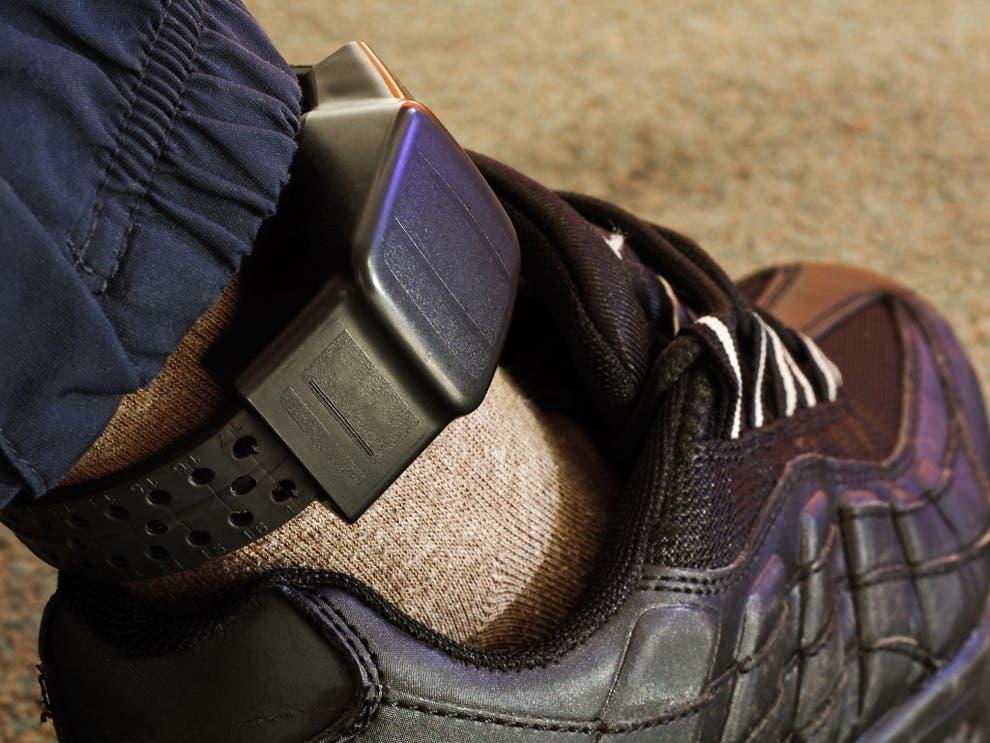
However, the MoJ’s supplier contracted for the device, which comes in the form of a bracelet, Allied Universal Electronic Monitoring (AUEM) have started to bring in their own model instead since October 2025.
A Whitehall insider has raised concerns with The Independent that the new device has not been properly tested on a live offender cohort, although there are claims by the MoJ that the new device “will transmit data about the wearer’s alcohol intake more quickly.”
It is adding to pressure for the MoJ to publish the evidence supporting the change and demonstrate that the new technology meets the same standards of safety, reliability, enforceability and value for money as the current service.
The concerns have been picked up by the Tory opposition.
Mr Timothy said: “It is concerning that Labour seem to be moving away from a technology that has a successful track record.
“We need assurances from the Ministry of Justice that these new tags have been properly tested.
“Labour should come clean now and publish the evidence behind this decision.”
The issue is important because alcohol use monitoring is part of the early release scheme brought in by Labour to tackle the problem of overcrowded jails.
More than 70,000 prisoners have been let out early on the scheme which allows people out under licence when they have completed 40 per cent of the sentence.
It is estimated that around 20 per cent of those on probation have drinking problems although not all of these have alcohol tags.
Drinking problems are also directly linked to other social challenges with 28 per cent of rough sleepers believed to have alcohol addiction issues.
A leading charity involved with dealing with alcohol issues has also raised concerns about the use of the devices and failure to consult more widely despite offers to the MoJ which have not been taken up.
Alcohol Change chief executive Dr Richard Piper disputed the 97 per cent figure as a valid indicator of success.
He said: “The devices only define success as whether people consume alcohol while wearing the tag. Of course, people don't - if they did, they get recalled to prison.
“A better success rate would consider the attitudinal and behavioural changes that would indicate genuine change longer-term - once the tag is removed. No data is published on what happens after the tags are removed. This needs to change.
“We have offered to work with the MoJ to design a specific programme to deliver that longer-term change, created specifically for this target group. That offer stands.”
Allied Universal (AUEM), which took over the controversial G4S group in 2021, who were awarded the contract to provide the department with alcohol tags in October 2023 following a full procurement process, have been contacted for comment.
An MoJ spokesperson said: “Alcohol tags force problem drinkers away from the source of their offending, that’s why we’re investing £100 million in the biggest expansion of tagging in UK history.
"Allied Universal were awarded a contract to supply alcohol tags after a full tender process. The new tag has undergone thorough testing and will be simpler to install, smaller and faster than its predecessor.”
KioskNews shows a cleaned-up reading view extracted from the publisher’s page — the original always lives on their site, not ours.