ESPNBroncos' striking resemblance to Denver's last Super Bowl winnersPunchNorth Korea women thrash Bangladesh 10-0 in Asian Games openerInquirerManibela asks Marcos for jeepney fare hike on his birthdayDaily MaverickReimagining agricultural education as AI transforms farming and future jobsוואלה7 שנות מאסר לסייעת בגן ילדים בנתניה שהורשעה בהתעללות ב-12 פעוטותRTP DesportoDjokovic fora do top 10 ATP, Zverev ameaça SinnerThe Jerusalem PostIsrael's oldest Holocaust survivor dies at at 107 on Rosh HashanahUOLNo 1º turno, Lula sobe para 42% e Flávio Bolsonaro cai a 37%, mostra pesquisa BTG/NexusColliderOne of the Greatest Sci-Fi Books of the 21st Century Is Under 200 PagesХабрПриз за то, чего вы не сделали: соревнование по кибербезопасности для тех, кто не пишет кодکیهان لندن«توافق دفاعی مکه» موش زائید؟! چشم امید بن‌سلمان به حمایت اسرائیلThe Hollywood Reporter‘Sunday in the Park With George’ Revival Scrapped After Ariana Grande and Jonathan Bailey Exit
The Daily Newsstand · Free, Always
Monday, September 14, 2026

Hong Kong’s iPhone scam: how to protect your credit card from online fraud
Translate

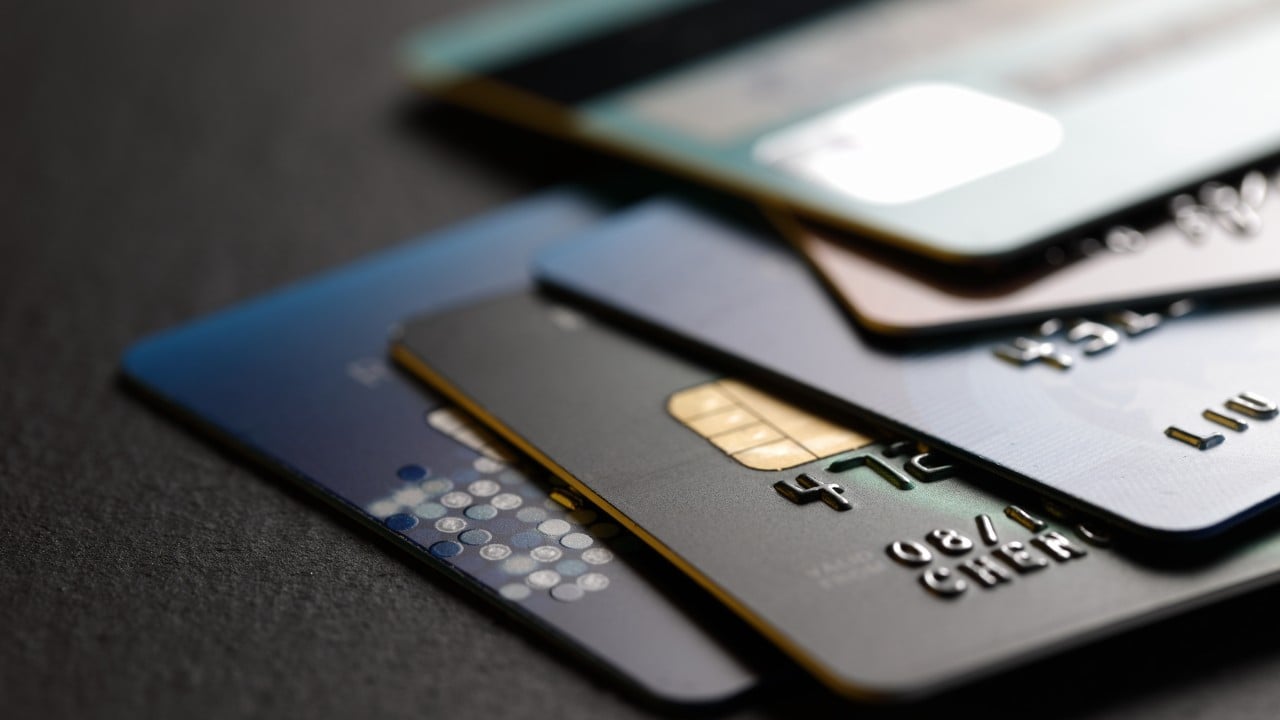
More than 700 Hongkongers were shocked to discover that their credit cards had been used to place unauthorised orders for Apple’s new iPhone 18 Pro series handsets over the weekend.

Although banks reassured victims they would not be charged as long as the cards were used with due care and the transactions were proven to be unauthorised, the incident still caused widespread concern over credit card security.

The South China Morning Post asked information technology experts for practical tips on how to safeguard credit cards.

1. What happened?

Over the weekend, many social media users in Hong Kong reported that their credit cards had been compromised to place orders for Apple’s iPhone 18 Pro series, which opened for pre-order on Saturday evening.

Police confirmed receiving over 700 reports involving HK$14.7 million (US$1.87 million) in unauthorised transactions.

View the original on South China Morning Post

KioskNews shows a cleaned-up reading view extracted from the publisher’s page — the original always lives on their site, not ours.