Can China’s coal industry ride to the rescue of a world in oil shock?
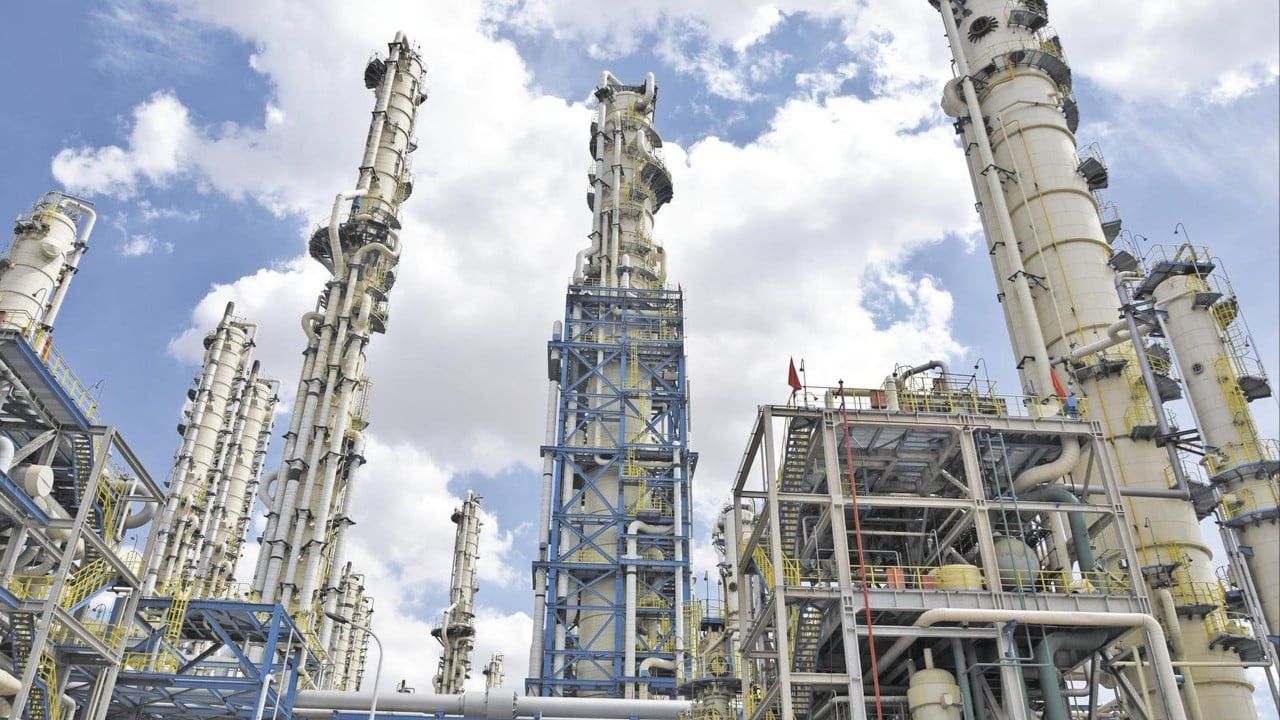
Be warned. The global economy is likely to experience a recession next year. War across the Middle East is set to escalate, wrecking energy supplies for many years, even as the artificial intelligence (AI) bubble is ripe to burst. This, however, would also create an energy leadership opportunity for China.
High energy prices already fuel demand for Chinese renewable energy products and electric vehicles. But as a leader in building coal-fired power plants, China can also offer the global market a quick substitute for Middle Eastern oil and gas, attracting a boom in investment and export revenue. China could well become the new global energy epicentre, strengthening its geopolitical position.
Since the United States launched its war on Iran over seven months ago, the global oil shortfall has run to 3 billion barrels. The release of strategic reserves by countries around the world has largely kept oil prices at around US$100 a barrel. But both national and commercial reserves are now running low.
China, a major buyer, is estimated to have cut its oil imports by 5-7 million barrels a day since the war began. If we estimate conservatively that China has been releasing 3 million barrels a day, half of its reported 1.4 billion barrels of reserves are now gone. Its expected return to the market soon to top up reserves may yet put a ceiling on oil prices.
But the global supply situation is worsening quickly, as the war spreads to infrastructure for oil and gas production, processing and transport. Saudi Arabia’s massive Abqaiq petroleum processing facilities have reportedly been hit by Houthi missiles. Its East-West pipeline to the Red Sea, bypassing the logjam in the Strait of Hormuz, had to be shut down temporarily after an attack last month.
The Red Sea route itself is looking uncertain as Houthi rebels in Yemen occupy the crucial Bab el-Mandeb Strait. Saudi support for Yemen’s government makes its oil infrastructure targets in a widening war. Before the year is out, the destruction could disrupt most of the supply of hydrocarbons and related products from the Middle East for many years, possibly a decade. Saudi Arabia could cease to be a major petroleum supplier for years.
04:36
Why the vital Red Sea shipping lane may be the new frontline in the US-Iran war
US President Donald Trump has halted attacks on Iran ahead of the November midterm elections but the US is likely to strike again. To avoid a war of attrition, it could concentrate attacks on Iran’s oil infrastructure. Iran’s retaliation would be to visit the same on US allies in the Middle East. Tit-for-tat strikes could take out most of the region’s oil and gas production.
The major theme for 2027 is therefore shaping up to be the destruction of oil demand through high prices and/or rationing.
Unfortunately, the developing economies in the Global South would be priced out of the market first. Demand is set to be hit in the Global North too but not before inflation forces up bond yields. The full impact of the oil shock, delayed and mitigated by the release of strategic reserves, is coming home to roost.
The AI bubble is not likely to survive surging bond yields. Under the fantastical stories of every major financial bubble that has burst was debt, a lot of it. The AI bubble won’t be an exception, even as the true scale of debt is hidden off balance sheet through special purpose vehicles. When the credit tide goes out, these vehicles will be exposed.
The AI talking heads are trying to prolong the bubble by talking up the doomsday risk. They hope people will be too scared to pay attention to the slowdown in performance progress. The reality is, doomsday or not, they need trillions of dollars to keep going. There isn’t enough money out there.
03:02
Chinese researchers question calls to slow down AI development as US tech leaders warn of catastrophe
If the AI bubble bursts, it will have a major impact on China. Its exports are surging on a massive base, mainly due to rising demand for electronics, including data centre components as US hyperscalers build AI centres. The increase in China’s exports this year could be equivalent to Japan’s total exports. If the AI bubble bursts next year, the most important pillar in China’s export boom will be gone.
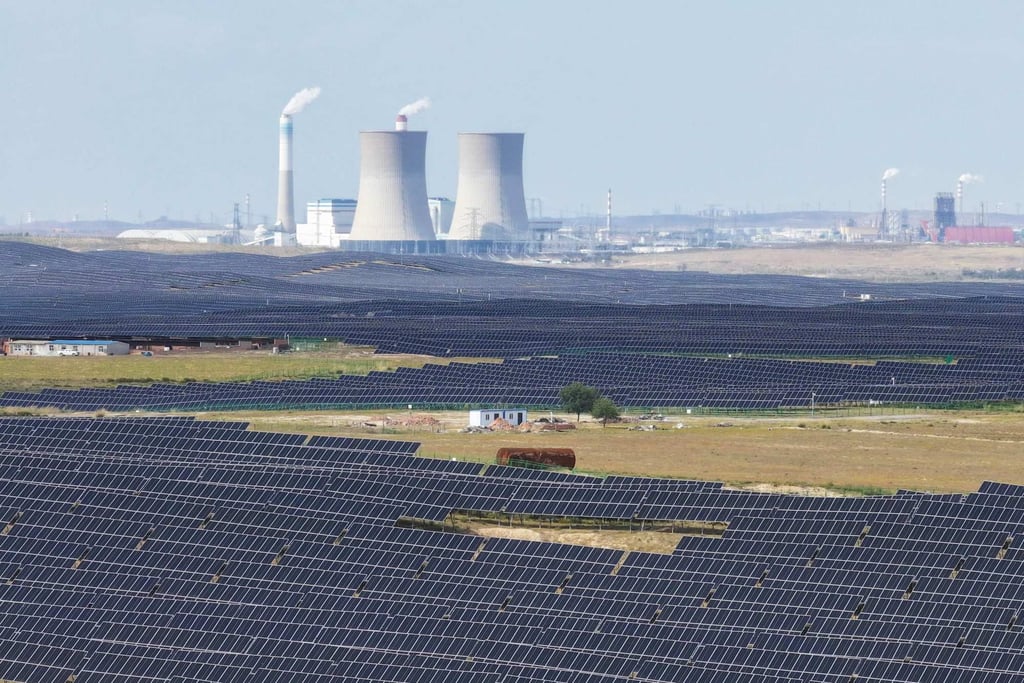
The unfolding energy crisis also offers opportunities for China: solar energy, wind power and electric vehicles are the usual suspects. But a bigger opportunity, at least for the next five years, could be coal. Coal-fired power plants can be an effective interim solution to an oil and gas shortfall.
China has a huge industry in building coal-fired power plants. Chinese coal-fired power plants are much more efficient than those of other countries. As the global leader by far, China can build these plants cheaper and faster than anyone else.
More importantly, coal-rich China can expand its coal chemical industry to produce substitute oil products. China can and should produce enough fertiliser, diesel and aviation fuel to meet global demand. China can turn itself into the new energy centre of the global economy.
The US may want to replace Middle East hydrocarbons with Venezuelan oil. It has the reserves and has them under control. Making Europe and East Asia dependent on energy from US-controlled sources will revive its economy and geopolitical power.
But building up the Venezuela’s supply capacity will take a long time. China can build its coal-based alternatives faster and more cheaply.
It is a great economic opportunity and also strengthens China’s geopolitical position. If China becomes a superpower in energy as in manufacturing, it basically wins the geopolitical competition in the 21st century.
KioskNews shows a cleaned-up reading view extracted from the publisher’s page — the original always lives on their site, not ours.