Hong Kong aims for share of HK$350 billion yacht industry as travel scheme launches
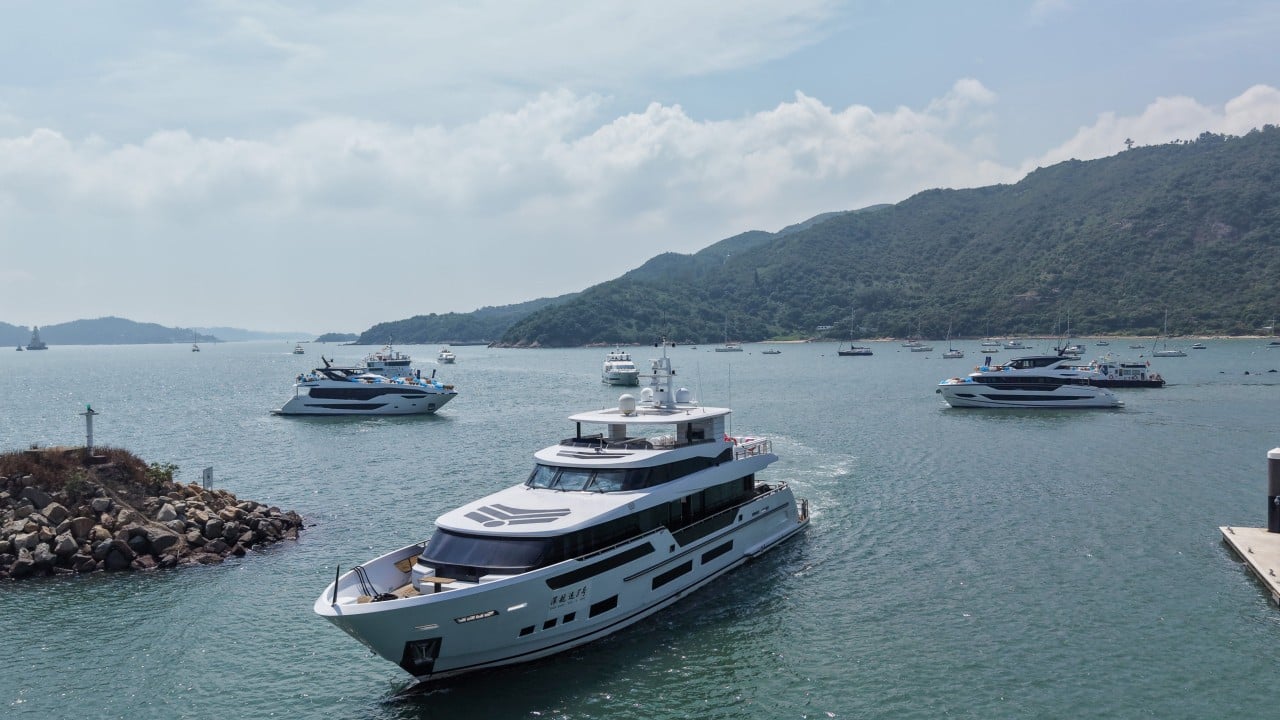
Hong Kong can capture a share of the global yacht industry, which is expected to reach HK$350 billion (US$44.6 billion) in six years, a senior official has said as the city launched the Southbound Yacht Travel Scheme, with the transport minister announcing new measures to attract overseas captains.
The scheme is part of the government’s broader plan to develop Hong Kong’s yacht economy, as outlined in the city’s first five-year plan and the latest policy address.
Under the scheme, mainland Chinese vessels can register through the Marine Department’s Electronic Business System to sail in Hong Kong waters.
Speaking at the launch ceremony, Deputy Financial Secretary Michael Wong Wai-lun said the global yacht market was expected to reach HK$350 billion by 2032 and that Hong Kong was capable of obtaining a slice of the market.
He noted that there were around 6,000 superyachts in the world exceeding 30 metres (98.4 feet). More than 90 of them were in Hong Kong and the government planned to roll out more measures to boost the yacht economy.
“The outline of the national 15th five-year plan clearly calls for developing leisure consumption such as cruises and yachts, and Hong Kong’s first five-year plan also stated that we will actively develop it,” he said.
“Our vision for the yacht economy also reflects the global trend.”
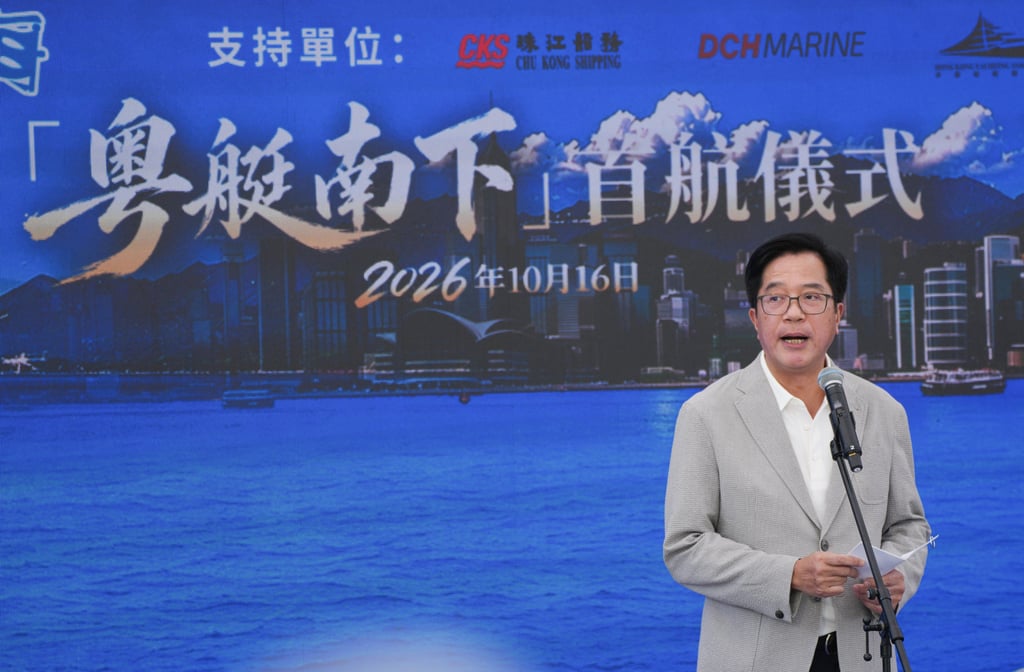
Secretary for Transport and Logistics Mable Chan also said on Friday that the Marine Department would coordinate with local training institutions to offer online courses for overseas captains to turn the city into a hub for super yachts.
Director of Marine Wong Sai-fat said on Thursday that 23 individuals or groups had registered under the new travel scheme as of this week.
Franklin Mak, executive vice-president of hospitality at HKR International, the developer behind Lantau Yacht Club, welcomed the “long-anticipated” scheme, saying the club had prepared for more mainland yachts coming to Hong Kong since 2019.
“We have special rates for our berths, and we purposely reserve space for people who come in on a transient basis, so we can accommodate yachts, unlike other yacht clubs that usually sell all that space to long-term owners,” he said.
Apart from berthing, the club also offers both long- and short-term service package discounts, including hotel accommodation and golf sessions, which are more cost-effective than a long-term membership.
Mak also noted that 10 mainland yachts have registered for the Lantau Yacht Club Boat Show early next month and will start arriving from next week. They represented the largest number in years, up from just two to three previously.
Speaking on a radio programme, lawmaker Roy Chu Lap-wai described the registration of five yachts on the first day as “encouraging”.
“In the initial stage, I believe the five yachts that come here will go back and spread the word about how convenient and good Hong Kong is, if everything goes smoothly,” he said.
“More yacht owners who have been taking a wait-and-see approach may then be more proactive about applying. So I think it’s quite good.”
Chu said Hong Kong’s water supply and charging facilities were sufficient to meet demand at this stage, but more facilities and yacht clubs would be needed in the longer term to make the most of the scheme and boost the yacht economy.
Five designated berthing areas at Tai O, Repulse Bay, Tai Tam Bay, Stanley Bay and Three Fathoms Cove in Sai Kung will provide 115 berths, in addition to those at private yacht clubs.
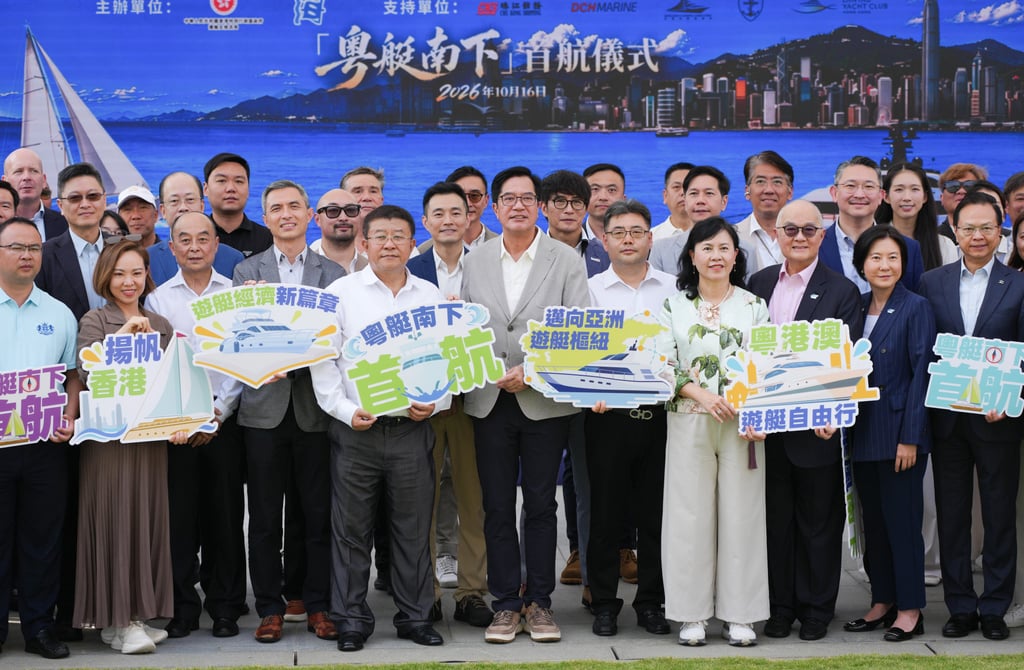
There are also seven kiosks supplying water to vessels and eight designated bunkering areas, according to the Water Supplies Department and the Marine Department.
Chu said Hong Kong had many distinctive islands for visiting yachts to explore. He hoped tourists would go island-hopping during the day, then dine and shop in urban areas at night.
“The government also held many successful big events, and they could get more involved in different aspects, so these relatively high-end, big-spending yacht tourists can really spend more money in Hong Kong and contribute to our economy,” he said.
Chu said the city could also develop a “one-day tour” and other services, such as chauffeur-driven cars with professional guides, adding that the Hong Kong Tourism Board could do more to promote these offerings and increase the economic benefits.
KioskNews shows a cleaned-up reading view extracted from the publisher’s page — the original always lives on their site, not ours.