How safe havens stack up as tech, energy and France fears grip markets
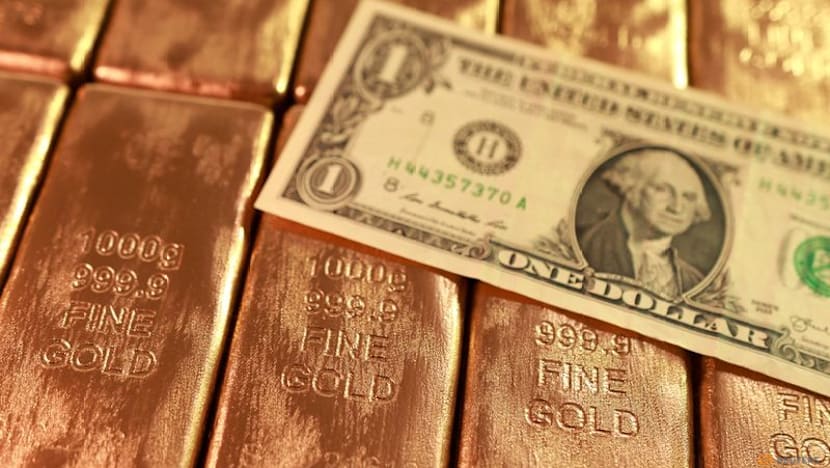
LONDON, Oct 20 : Demand for safe-haven assets is strong as AI jitters hurt tech stocks, the Iran war continues and keeps energy prices elevated, while worries about high government debt loads persist.
Yet traditional safe havens have not performed as well as expected this year: Gold sold off after the start of the Iran war as investors ditched top-performing assets given losses elsewhere. Government bonds, once considered one of the world's safest assets, are volatile.
Here is a look at how some safe havens currently stack up.
1) LOVE/HATE RELATIONSHIP WITH THE DOLLAR
Breaking with last year's 'sell US' theme, the dollar has rallied since the Iran war started, up 4 per cent since late February.
That has reinforced its role as a go-to safe haven at times of global stress. A strong economy, higher rates, and the US's energy-exporter status have helped.
But factors that caused traders to question the dollar's long-term safe-haven status, such as a more than $40 trillion debt pile and policy uncertainty, have not dissipated.
The dollar is also vulnerable to tech selling as it has benefited from record capital inflows into US shares on optimism over the AI investment boom.
The dollar could be nearing the back end of a bull market, Societe Generale chief FX strategist Kit Juckes said.
"It hasn't got that much further to go," he noted, but said it was hard to justify a sustained bet against the dollar at present because the "big global story is that the dollar is a petrocurrency and we're in the middle of an energy crisis".
2) EUROPE WOBBLES, BUY SWISSIE
One takeaway from France-driven bond turmoil is that the Swiss franc is a haven of choice when Europe wobbles.
It is up over 2 per cent so far this month against the euro, poised for its biggest monthly jump since late 2023.
"Concerns about France's public finances and election uncertainty in France and Spain have supported the franc," said Georgette Boele, senior FX & oil strategist at ABN Amro.
She added that investors were also becoming less keen to use the franc to fund carry trades, preferring not to position against a currency with safe-haven qualities.
Swiss rates at 0 per cent make the franc popular in trades where investors borrow in a currency with low rates to invest in higher-yielding assets elsewhere.
The AI jitters should also benefit the Swiss franc, analysts said.
3) GERMAN BONDS A RELATIVE WINNER
Government bonds' reputation as a safe haven has been battered by fiscal concerns. Borrowing costs from the US to Japan recently hit multi-decade highs.
The tech-driven stocks selloff has, however, renewed some demand for bonds.
There is another noticeable development.
When US and French 10-year bond yields hit 24-year peaks earlier this month, German yields fell as their prices rose.
Investors say that is a clear sign that triple-A rated German Bunds stand out as safe havens among major economies.
Bundesbank President Joachim Nagel said Germany would remain the anchor of stability in Europe amid bond turmoil and was "getting fit" after years of stagnation.
"Everyone worries about contagion in Europe and whether the Bund just gets dragged along with (French) OATs, (Italian) BTPs, so it's good that the Bund has acted as that European risk-off instrument," said Johnathan Owen, a portfolio manager at TwentyFour Asset Management.
4) DID YOU FORGET SHORT-DATED BONDS?
Overall, high debt among major economies will continue to hurt long-dated bonds' safe-haven status, investors said.
But short-dated government bonds provide some shelter because they are less sensitive to debt worries.
"We really like short-dated bonds," said Rory McPherson, chief market strategist at Wren Sterling.
"Because of all the concerns over debts and deficits, we haven't been buying longer-dated bonds."
5) GOLD KEEPS ITS SPARKLE
Gold, another traditional safe haven, has had a bumpy ride.
After hitting record highs at $5,595 per troy ounce in January, it fell after the Iran war started as investors tapped the precious metal, given losses elsewhere.
Gold rallied again in August as inflation fears and concern that the Federal Reserve was not doing enough to contain price pressures returned. It is trading around $4,175.
Central bank buying and safe-haven demand support prices above $4,000, analysts say.
While high interest rates should limit gold's upside, a tense geopolitical backdrop and US fiscal worries should bolster the safe-haven metal further out.
"In the longer term, gold should again benefit from continued strong central-bank buying and renewed concerns over US debt and its rising interest burden," said Julius Baer analyst Carsten Menke.
KioskNews shows a cleaned-up reading view extracted from the publisher’s page — the original always lives on their site, not ours.