Netflix's R-Rated Horror Anthology Deserves Kudos For Taking A Wild & Risky Swing

Cathal Gunning has been writing about movies, television, culture, and politics online and in print since 2017. He worked as a Senior Editor in Adbusters Media Foundation from 2018-2019 and wrote for WhatCulture in early 2020. He has been a Senior Features Writer for ScreenRant since 2020.
While Mike Flanagan’s final Netflix horror show was nothing like its predecessors, the writer/director deserves credit for taking a risky and ultimately successful swing with the 2023 miniseries. The 2010s and 2020s have been an incredible era for horror TV. While the ‘60s had the iconic anthology series The Twilight Zone and the ‘90s had HBO’s groundbreaking R-rated campy horror comedy Tales from the Crypt, the sheer diversity of the streaming era’s horror shows has both of these decades beaten.
For viewers who want something gory, outrageous, and unpredictable, there is the inconsistent but always surprising American Horror Story franchise. For viewers who prefer more consistency in their horror output, along with a darker, more unapologetically brutal tone, Chiller’s anthology Slasher is arguably the most grim and violent horror show ever made. Meanwhile, virtuoso writer/director Mike Flanagan has numerous acclaimed shows for fans who prefer some humanity amid their horror.
Beginning in 2018 with the loose Shirley Jackson adaptation The Haunting of Hill House, Flanagan enjoyed one of the most impressive runs in horror TV history during his fruitful five-year collaboration with Netflix. 2020 saw the arrival of the follow-up The Haunting of Bly Manor, which took a similar number of creative liberties with Henry James’s seminal novella The Turn of the Screw. Then came 2021’s Midnight Mass, followed by 2022’s The Midnight Club. However, it was Flanagan’s thoroughly unexpected final Netflix series, The Fall of the House of Usher, that totally changed his formula.
The Fall of the House of Usher Was Nothing Like Mike Flanagan’s Other Netflix Shows
To be fair to the filmmaker, The Haunting of Hill House, The Haunting of Bly Manor, Midnight Mass, and The Midnight Club were all very different from each other. The Haunting of Hill House was an immersive multi-generational family epic, like Six Feet Under with added jump scares, while The Haunting of Bly Manor was a time-twisting Gothic period drama. Breaking from the literary adaptation niche, Midnight Mass was an original small-town religious horror story indebted to Stephen King novels like Salem’s Lot and Revival.
Meanwhile, The Midnight Club was an adaptation of author Christopher Pike’s series of YA horror novels from the ‘90s. Eschewing the emotional monologues and dialogue-driven pathos of Flanagan’s earlier shows, this series was more playful and was intended to be an ongoing multi-season series rather than a standalone miniseries. However, there were still a lot of recognizable trademarks that cropped up throughout Flanagan’s first four shows.
Even The Midnight Club, which was consciously aimed at teen viewers and featured a faster pace and soapier storylines as a result, was a moving tragedy set in a hospice for mortally ill teenagers. The Haunting of Hill House, The Haunting of Bly Manor, and Midnight Mass were all similarly moving, as they all featured heartbreaking character work and poignant stories of intergenerational trauma alongside their many scares.
Thus, it came as something of a shock when 2023’s loose Edgar Allan Poe re-imagining The Fall of the House of Usher was a colorful, outright comedic horror from the director. On paper, The Fall of the House of Usher was very much in keeping with Flanagan’s earlier Netflix shows, as the series followed a dysfunctional multi-generational family who are drawn together by a supernatural curse. However, in practice, the show was something else entirely.
The Fall of the House of Usher’s Risky Approach Succeeded

Tonally closer to Shudder’s acclaimed anthology Creepshow than the tender drama of The Haunting of Hill House or Midnight Mass, The Fall of the House of Usher used a dual timeline to chronicle the rise and gruesome fall of the eponymous pharmaceutical dynasty. While Zach Gilford and Willa Fitzgerald’s young, hungry versions of Roderick and Madeline Usher cast aside their morals to make millions in the pain pill industry, their present-day counterparts reap the consequences of the evil they’ve sown.
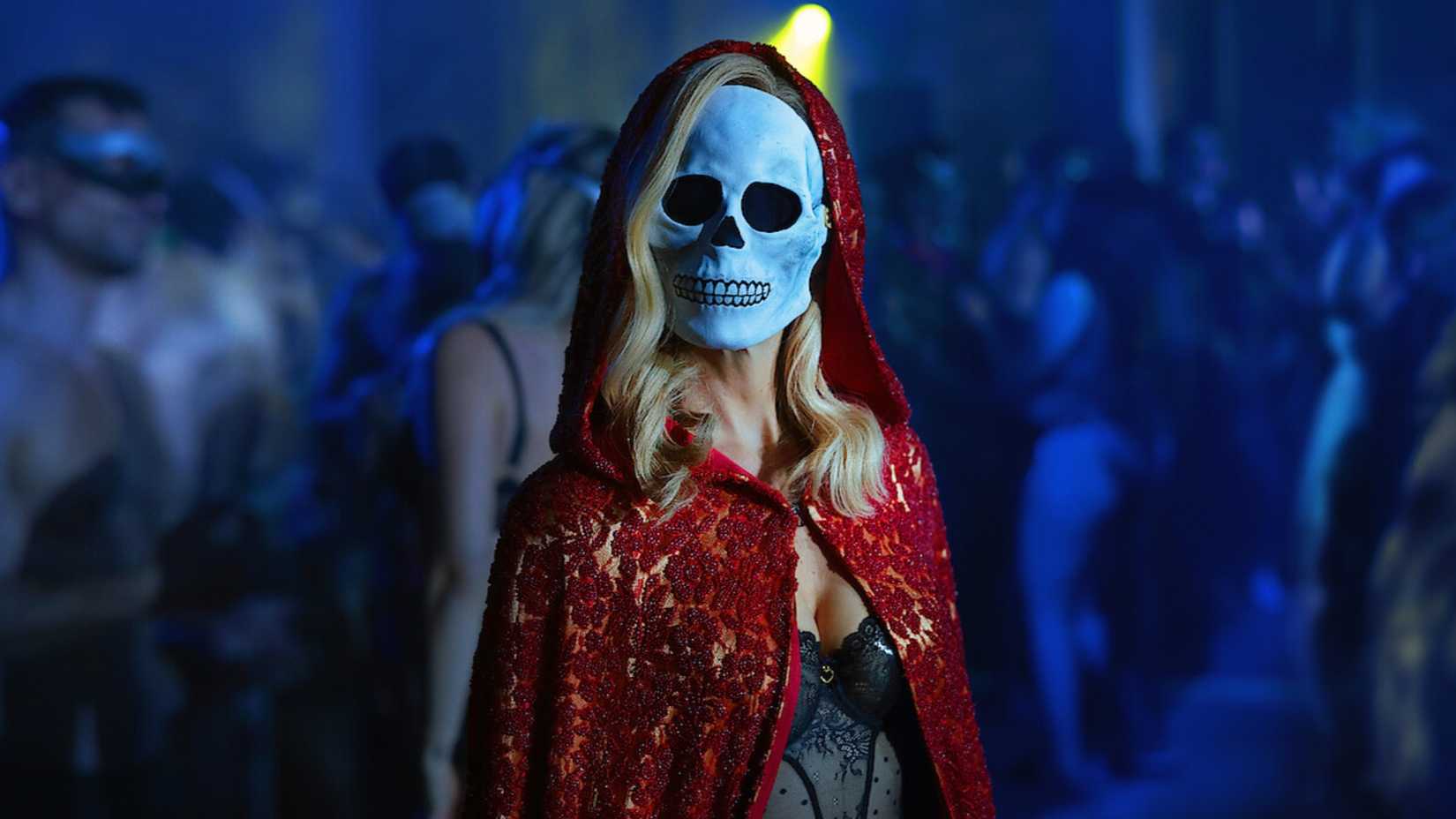
This amounts to Carla Gugino’s mysterious spirit Verna coordinating a string of increasingly macabre and gruesome deaths for Roderick’s spoiled would-be heirs, each of which is loosely based on one of Poe’s classic short stories. Henry Thomas, Rahul Kohli, T’Nia Miller, Kate Siegel, Samantha Sloyan, and Sauriyan Sapkota have a ton of fun as the appalling Usher offspring, a collection of bratty, amoral nepo babies so odious that even the most generous viewer will eventually find themselves eagerly awaiting their demises.
Shot like a ‘60s Giallo movie, complete with garish lighting and over-the-top costuming, The Fall of the House of Usher’s tone is a complete left-field turn from Flanagan. Compared to his earlier Netflix shows, the series is unexpectedly comedic, jarringly silly, and largely bereft of his usual melancholic introspection, fueled instead by righteous anger at the elites the show satirizes. However, this switch up in the writer’s formula also proved to be a thoroughly welcome change.
The Fall of the House of Usher is scary, funny, inventive, and true to Edgar Allan Poe’s deadpan sense of humor, just about avoiding the outright Riverdale-level ludicrousness of Netflix shows like Chilling Adventures of Sabrina while still keeping its proverbial tongue planted firmly in cheek. After a slew of shows like Succession, The White Lotus, and Slasher: Flesh and Blood had already parodied the uber-rich, it would have been no surprise if The Fall of the House of Usher felt overfamiliar upon its 2023 arrival.
The Fall of the House of Usher Set The Bar High For Similar Horror Projects

However, the show managed to say something fresh and funny, as well as righteously angry, about the families responsible for the opiate crisis, even after shows like Dopesick and Painkiller had explored this fertile narrative territory. The underperformance of superficially similar “Eat the Rich” movies like Death of a Unicorn and Saltburn just shows how impressive this achievement was, especially when The Fall of the House of Usher also doubled up as a riotously entertaining, inventively gruesome horror comedy.
Obviously, Flanagan’s next show, Prime Video's Carrie, has a lot to live up to after not just The Fall of the House of Usher, but also his earlier acclaimed Netflix series. However, that isn’t the only upcoming project that will inevitably garner comparisons to The Fall of the House of Usher. While Netflix’s Wednesday has seen the streaming service pivot to a more family-friendly form of horror, Mikey Madison’s upcoming Poe adaptation The Masque of the Red Death will have a hard time outdoing The Fall of the House of Usher when the movie arrives.

- Release Date
- 2023 - 2023-00-00
- Network
- Netflix
- Showrunner
- Mike Flanagan
- Directors
- Mike Flanagan, Michael Fimognari
- Writers
- Mike Flanagan
-

Carla Gugino
Roderick Usher
-

Bruce Greenwood
C. Auguste Dupin
KioskNews shows a cleaned-up reading view extracted from the publisher’s page — the original always lives on their site, not ours.