Food inflation bites, Centre expected to turn to old playbook to cool prices
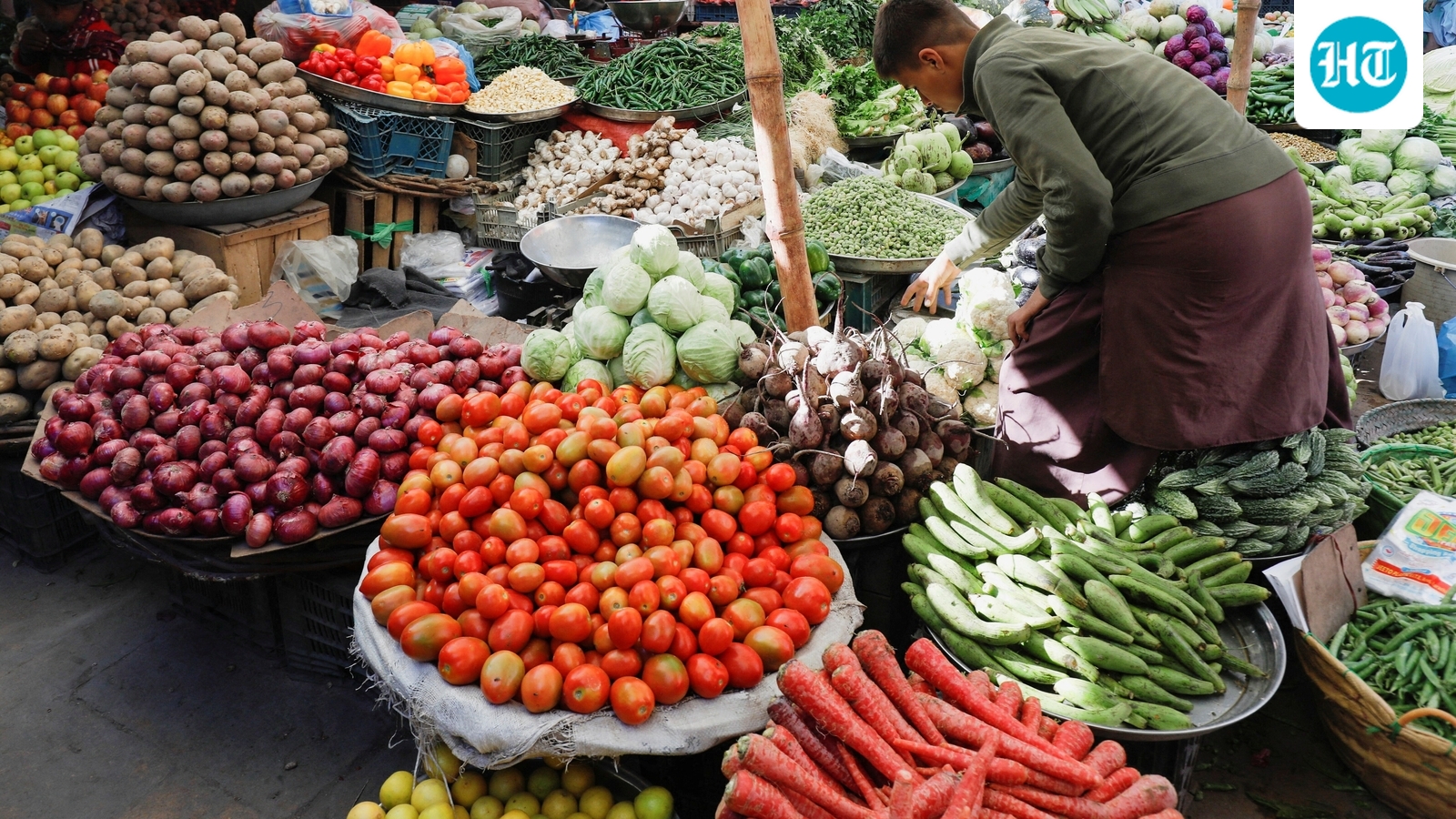
India's retail inflation rose to 6.09% in October, breaching the Reserve Bank of India's upper tolerance limit of 6% under its 2-6% inflation band for the first time in the new consumer price index series.
Food was the biggest pressure point, rising to 8.94% in October from 7.74% in September, according to data released by the ministry of statistics and programme implementation. The rise comes amid concerns over El Niño, a climate phenomenon that can weaken monsoon rainfall in India and affect crop supplies.
With food prices driving the latest spike, the government is expected to fall back on its familiar set of measures to cool the market. If past experience is any guide, these are likely to include releasing buffer stocks, easing imports, restricting exports, imposing stock limits and stepping up action against hoarding.
One of the government's principal tools is maintaining buffer stocks, which can be released when prices rise or seasonal shortages emerge. The Price Stabilisation Fund (PSF), set up to moderate price volatility in agricultural and horticultural commodities, is used to procure onions and pulses and release them into the market when needed.
Centre's interventions
This year, the Centre has continued to use the fund to manage onion prices. For 2026-27, it set a procurement target of 200,000 tonnes for its onion buffer and began procurement through NAFED and NCCF on May 15. By August 26, about 121,000 tonnes had been procured. The government began releasing these stocks on August 24, transporting onions by rail and road to major consumption centres and selling them at ₹35 per kg through government agencies and retail outlets.
Rice has also been a focus, with the government doubling its target for rice sales under the Open Market Sale Scheme (OMSS) for 2026-27 on November 6, from 2.5 million tonnes to 5 million tonnes. It said 2.5 million tonnes had already been sold through e-auctions until October 31, compared with 1.1 million tonnes during the corresponding period last year.
Alongside this, the Centre has made weekly stock disclosures mandatory for rice and paddy traders, wholesalers, retailers and processors. It has also allowed five southern states — Andhra Pradesh, Karnataka, Kerala, Tamil Nadu and Telangana — to impose stock limits wherever necessary until January 31, 2027. Additional quantities of subsidised Bharat Rice are being allocated to NAFED, NCCF and Kendriya Bhandar to increase its availability in retail markets.
Pulses are another area of concern. India, the world's largest producer and consumer of pulses, imports about 20% of its annual demand of around 30 million tonnes. To keep supplies flowing, the government has allowed imports of tur and urad under the free category until March 31, 2027. Chana and masoor imports attract a 10% duty, while yellow peas attract a 30% duty. Industry sources said pulse imports are already rising amid a shortfall in domestic production.
Sugar is another commodity where the government has intervened this year. The RBI's October Monetary Policy Report said prices rose about 34% between early July and late August, reaching ₹65 per kg, due to lower-than-expected domestic production, reduced carryover stocks, and precautionary stocking by market intermediaries.
The government responded with export restrictions, stock limits on dealers and bulk consumers, duty-free imports of up to 1 million tonnes of raw sugar, physical verification of stocks and an advancement of the sugarcane crushing season. The RBI said prices retreated in September following these measures.
What experts say
Economists say such interventions have helped prevent supply shocks from translating into sharp increases in retail prices. Dipti Deshpande, principal economist at Crisil, said a comparison of previous weak-monsoon years shows that deficient rainfall does not necessarily lead to higher food inflation.
The severe monsoon failure in FY2010, when rainfall was 23% below the long-period average, was followed by double-digit food inflation. But the El Niño-affected monsoons of FY2015 and FY2016, which saw rainfall deficiencies of 12-14% over two consecutive years, did not produce the same outcome. Food inflation eased in both years. It also remained subdued in FY2019, despite rainfall finishing about 9% below normal.
"The transmission of weather shocks to food inflation has weakened over time because of the government's supply-side interventions," Deshpande said. She cited stronger pulses buffer stocks, action against hoarding, imports through the Price Stabilisation Fund and restrained increases in minimum support prices as measures that helped contain price pressures.
Going ahead, she expects the government to continue releasing stocks, adjusting trade policies, imposing stock limits and taking anti-hoarding measures. But she said longer-term changes are also needed, including expanding irrigation coverage, strengthening procurement systems and increasing domestic production to reduce the impact of weather shocks on food prices.
The challenge is particularly acute for horticulture and poultry, where above-normal temperatures and heatwaves can damage yields and push up production costs, she said.
Global prices could further complicate the government's response. Rice, wheat, maize, vegetable oils and sugar together accounted for 21% of food inflation in October, compared with around 15% in April, according to Deshpande. Geopolitical conflicts, trade disruptions, higher freight costs and extreme weather in producing regions have pushed up international prices, adding to pressure on domestic markets. For commodities that India imports, higher global prices could make it harder to bring down domestic prices through imports alone, she said.
KioskNews shows a cleaned-up reading view extracted from the publisher’s page — the original always lives on their site, not ours.