Singapore seeks US talks on AI chip export rules amid Nvidia fallout, Megaspeed probe
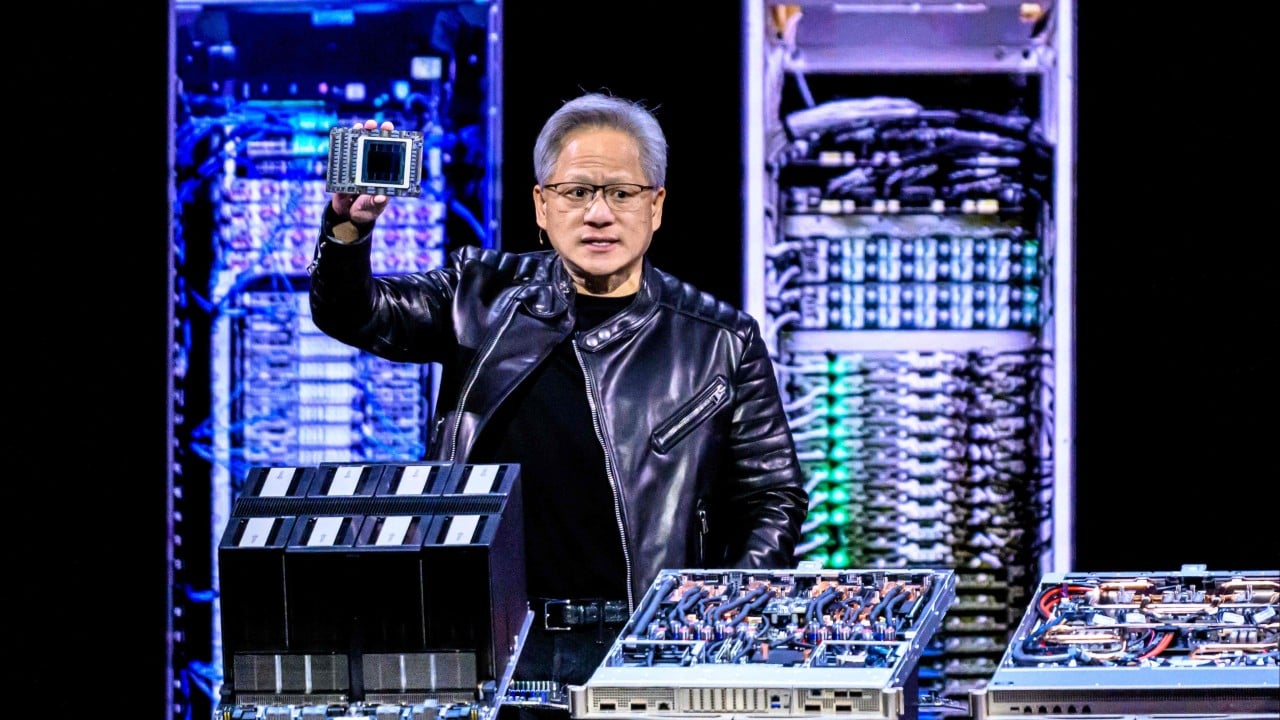
Singapore has been engaging with the United States to explore ways to facilitate “trusted access” for local firms after Washington announced a new measure that would restrict exports of artificial intelligence chips to the city state.
The interim rule, introduced by the US Commerce Department on Monday, would require companies to obtain a licence to ship, re-export or transfer advanced AI chips to Singapore, Indonesia, Malaysia, Thailand and Brazil. The US did not specify the date of effect.
Singapore’s Ministry of Digital Development and Information and Ministry of Energy, Trade and Industry said the government was in contact with the US on the scope and implementation of the measure.
“We are studying the details of this new measure carefully,” the ministries said in a joint statement on Monday, adding that officials would communicate with affected firms to understand the potential impact on their business.
The rule would undermine the ability of firms headquartered in “countries of concern” to use advanced AI chips to train hi-tech models, the US Bureau of Industry and Security said.
The four Southeast Asian countries were found to “present a higher-than-normal risk of diversion”, according to the US.
05:21
The rise and fall of Jensen Huang, who has resigned as Nvidia’s CEO
Licence requirements do not apply to semiconductors destined for firms headquartered in the US, provided certain requirements, such as monthly reports including the parties involved in the transaction and the nature of chips, are met.
The curbs aim to close a loophole that allowed Chinese tech firms to access Nvidia chips through offshore data centres in Southeast Asia.
The tightened controls also come less than a week after Jensen Huang resigned as Nvidia’s CEO amid reports of three extramarital affairs, including one with a woman suspected by US intelligence officials of spying for China, which Beijing has dismissed as “baseless speculation”.
Alice Huang reportedly worked at Singapore-based data centre company Megaspeed until 2025. That same year, The New York Times said that US authorities were investigating whether Megaspeed helped Chinese firms obtain Nvidia chips and circumvent Washington’s export rules.
Singapore has also been conducting investigations into Megaspeed over suspected potential false declarations in relation to the purchase of servers and other related offences since February last year, the home affairs ministry said last Thursday before the Nvidia chief’s exit.
On Monday, Singapore said it would continue discussions with the US about Megaspeed, which had surfaced in talks during Minister for Digital Development and Information Josephine Teo’s trip to Washington last week.

Malaysia’s trade ministry on Friday said it had not cleared either Megaspeed or its Malaysian subsidiary Speedmatrix of wrongdoing and was checking whether chips brought into the country had subsequently been shipped overseas.
Analysts previously told This Week in Asia that tighter restrictions from Washington could curb Chinese demand for computing power hosted in Southeast Asia and potentially jeopardise billions of dollars in data centre investments.
In Monday’s joint statement, Singapore reinforced that it “took [their] international reputation seriously” and did not condone firms using their association with the city state to circumvent or violate law or other countries in their international business dealings, including export countries”.
“As a global hub for technology and trade, Singapore will continue to safeguard the integrity of our business environment and continue [to have] access to advanced semiconductors and computing capabilities for legitimate companies operating here, and act against those who flout our laws.”
KioskNews shows a cleaned-up reading view extracted from the publisher’s page — the original always lives on their site, not ours.