US wants to ‘compete’ in Central Asia, ambassador says ahead of Rubio visit
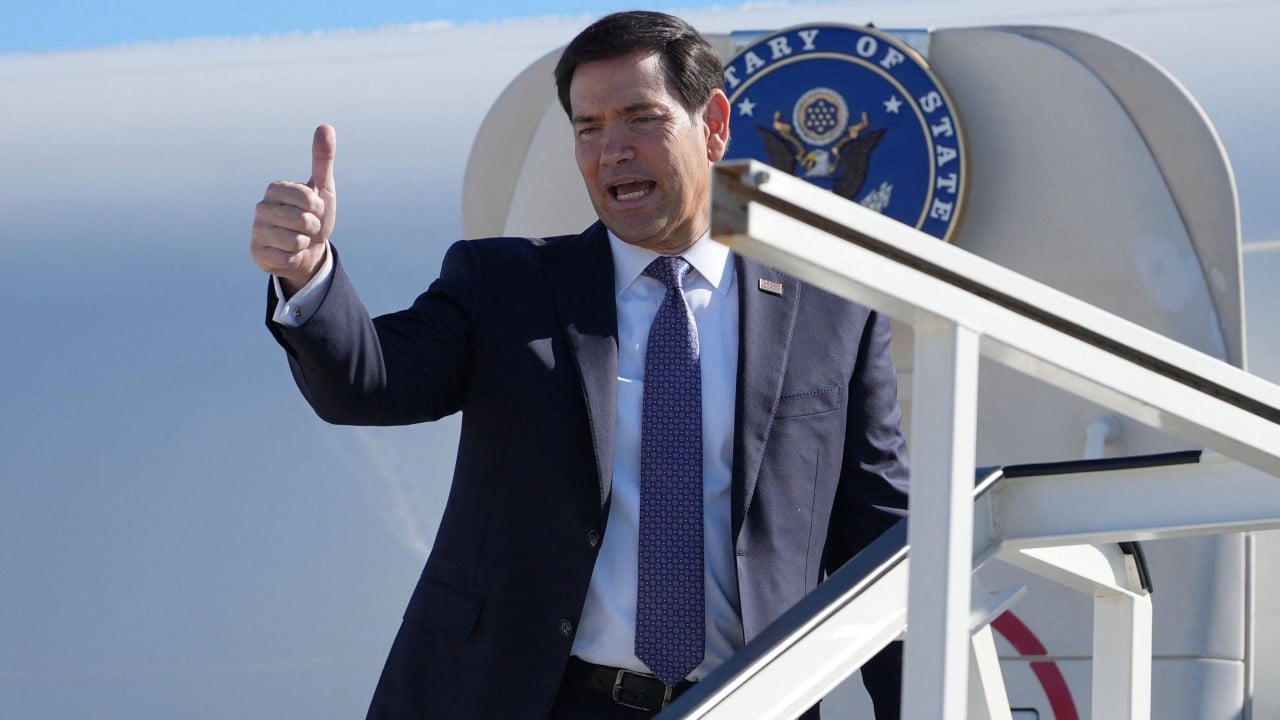
The US wants to “compete” in resource-rich Central Asia, a senior American official has said as Secretary of State Marco Rubio prepares to head to a region of growing Chinese influence.
In New Delhi on Thursday, US ambassador to India Sergio Gor said this weekend’s C5+1 ministerial meeting between the five Central Asian countries and the US in Uzbekistan would be an opportunity to “showcase American ingenuity, American technology”.
Rubio would be joined by representatives from more than 200 American companies to “explore possibilities where they could work together”, Gor told the Bloomberg New Economy Forum.
“You have countries that are extremely rich in critical minerals there, and yet it’s been untapped,” said Gor, who is also the US special envoy for South and Central Asian affairs.
“Partnering with United States companies is a win-win situation – you have some of the richest deposits in Central Asia, and they’re looking for reliable, trusted partners. And we believe American companies can offer those solutions.‘’
“So for us, we want to be able to compete,” Gor said, without directly naming China, a major player in the region’s mineral industry.
“These governments are sovereign nations; they’ll decide what’s best for them. But we genuinely believe we do have the best technology, and showcasing that to this region is incredibly important to this administration.”
08:56
Why Xi Jinping is hosting world leaders in China instead of travelling abroad to see them
In Samarkand, Rubio is expected to join his counterparts from Kazakhstan, Kyrgyzstan, Tajikistan, Turkmenistan and Uzbekistan in discussions on deepening regional economic connectivity and improving energy security.
Rubio would also meet other senior officials from all five Central Asian nations, “ushering in a new era of strengthened commercial cooperation for the United States and Central Asia”, the State Department said on Wednesday.
Established in 2015, the C5+1 is the main platform through which the US engages collectively with the countries of Central Asia.
It was expanded to include a summit last year, when US President Donald Trump hosted the countries’ leaders at the White House in November.
With its vast resources and strategic location between major markets in Europe and Asia, Central Asia has emerged as a major geopolitical battleground as Washington pushes to build a non-Chinese supply chain for green energy and defence manufacturing.
SCMP Plus is a new premium news platform that gives you an
all-inclusive edge to stay ahead on China news.
To access our exclusive content you’ll need to subscribe.
Already a subscriber?
LOG IN
According to the US Department of Commerce, Central Asia holds a major share of global reserves in several essential minerals, including manganese ore, titanium and cobalt, which are essential for artificial intelligence, electric vehicles and clean energy.
In recent years, Beijing has steadily expanded its footprint in the region in an effort to secure economic opportunities, establish a geopolitical buffer against Western pressure and maintain stability along its western border.
08:58
What are rare earths, and why is China’s dominance facing global pushback
China launched a biennial summit mechanism in 2023, when Chinese President Xi Jinping hosted the first China-Central Asia summit, inking deals over everything from law enforcement and security to defence and renewable energy. The second summit was held last year in Astana, the capital of Kazakhstan.
Acknowledging Washington’s historical absence from Central Asia, Gor admitted on Thursday that the US had neglected the region “for too long”.
“Everybody focused on the Middle East. Everyone focused on the East. And you have these incredible countries in the middle that have not been, frankly, approached by the United States, so this is not a partisan issue, but you have countries in the middle there that do want to engage with the United States.”
To signal Washington’s renewed focus, Trump has invited the leaders of Kazakhstan and Uzbekistan to attend the Group of 20 summit in Miami this December, a first for the Central Asian nations.
KioskNews shows a cleaned-up reading view extracted from the publisher’s page — the original always lives on their site, not ours.