Chinese team finds 11,700 new viruses in world’s biggest seabed metal deposit
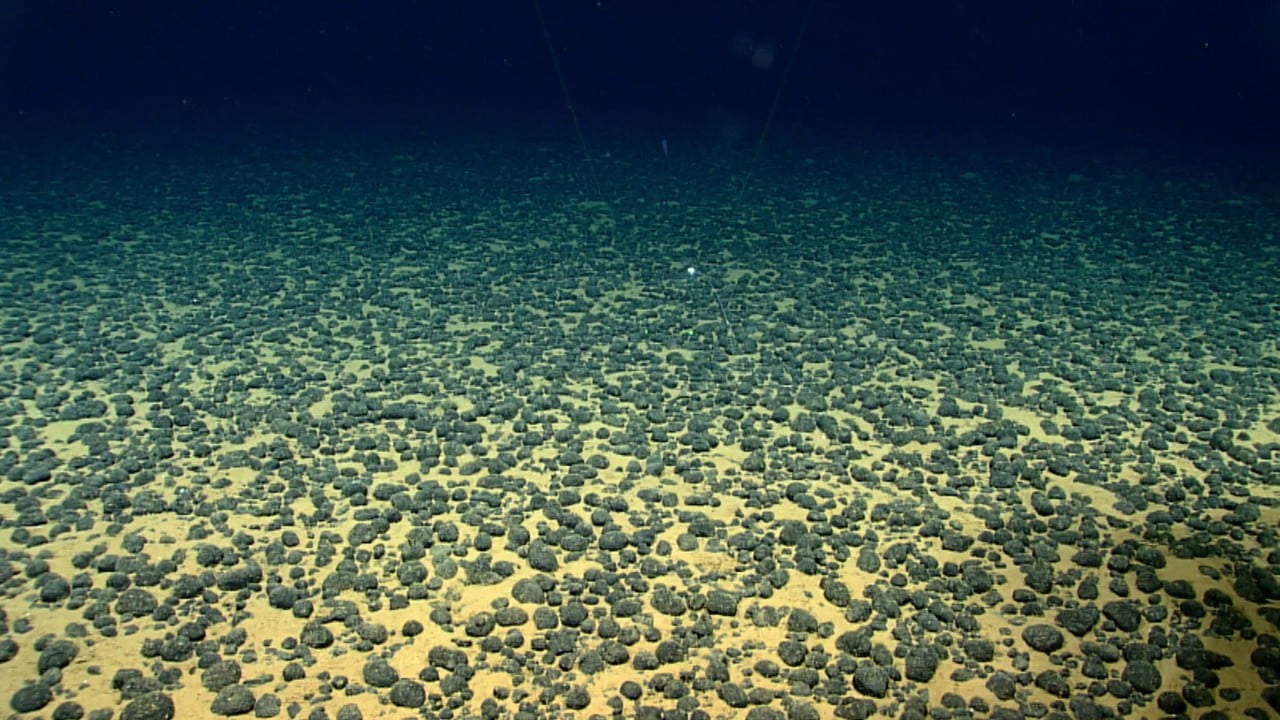
Up to 6,000 metres (19,700 feet) beneath the surface of the Pacific Ocean between Mexico and Hawaii, billions of potato-shaped metallic nodules are scattered across the seabed.
The Clarion-Clipperton zone’s reserves of vital metals such as nickel, cobalt and manganese could surpass the total known reserves on land, according to some estimates.
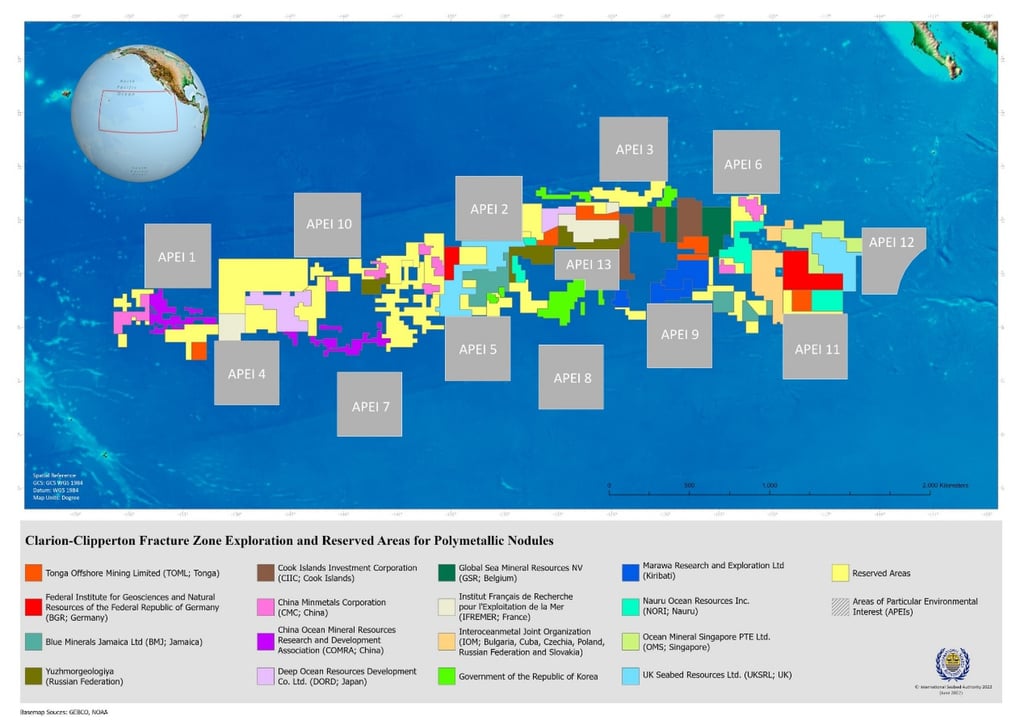
While no commercial mining has yet taken place on the underwater plain, the International Seabed Authority has issued 17 exploration contracts for the area, five of which are held by China.
But a recent in-depth study of the zone by a Chinese research team has shown that future deep-sea miners will discover more than mineral wealth – they will encounter countless mysterious viruses.
The researchers examined samples of sediment from the zone and identified 11,742 different viruses. Over 99 per cent of the viruses – 11,662 in total – were new discoveries.
“These findings provide insights into the ecological roles of viruses in the polymetallic nodule province, establishing a vital pre-mining baseline of microbial ecosystem for future environmental impact assessments,” first author Hou Bowen wrote in the paper, which was published in Nature Communications late last month.
Hou is a joint doctoral student at Chongqing University and the Second Institute of Oceanography under China’s Ministry of Natural Resources.
The 60 samples used in the study were collected in 2023 and 2024 by one of the Chinese entities that holds an exploration contract, the China Ocean Mineral Resources R&D Association.
Using protein-sharing networks, the scientists compared the viruses with data on viruses previously found in seawater, trenches and hydrothermal environments.
Only about 4 per cent of the protein clusters of the viruses found in the zone were shared with at least one external data set. This means that the area is home to viral lineages and genetic resources that have not yet been recorded by scientists.
The viruses in the region are likely to have unique characteristics that reflect the unusual environment in which they have evolved, which is rich in heavy metals while being extremely deficient in available nutrients.
02:36
China-Nepal disaster: early study shows no one could have outrun debris flow
The vast majority of the viruses the team discovered belong to the Caudoviricetes class, which has a tail structure that can inject genetic material into bacteria like a syringe. Viruses in this class are present in various ecosystems, including the ocean, land and even the human gut.
These viruses are not generally dangerous to humans; they can only target and destroy bacteria. Indeed, human activity is likely to pose a bigger risk to the viruses than the other way round.
Once mining disturbs the sediment, the viruses may not be able to perform their role in the seabed ecosystem, such as breaking down organic matter and releasing nutrients into the environment.
KioskNews shows a cleaned-up reading view extracted from the publisher’s page — the original always lives on their site, not ours.