Opinion: Opinion | India And Russia Go From Resilience To Leverage
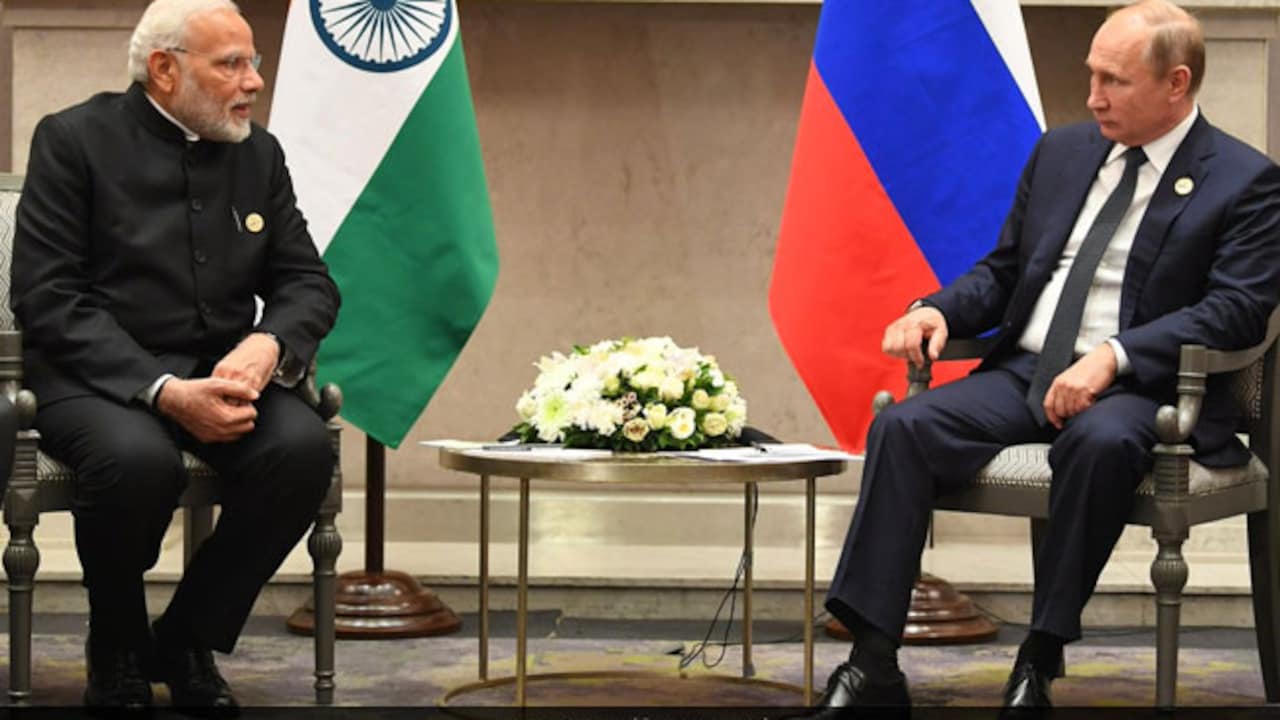
The meeting between Prime Minister Narendra Modi and Russian President Vladimir Putin in Delhi on September 11, on the eve of the 18th BRICS Summit, was significant as an important step towards the forthcoming 24th India-Russia Annual Summit.
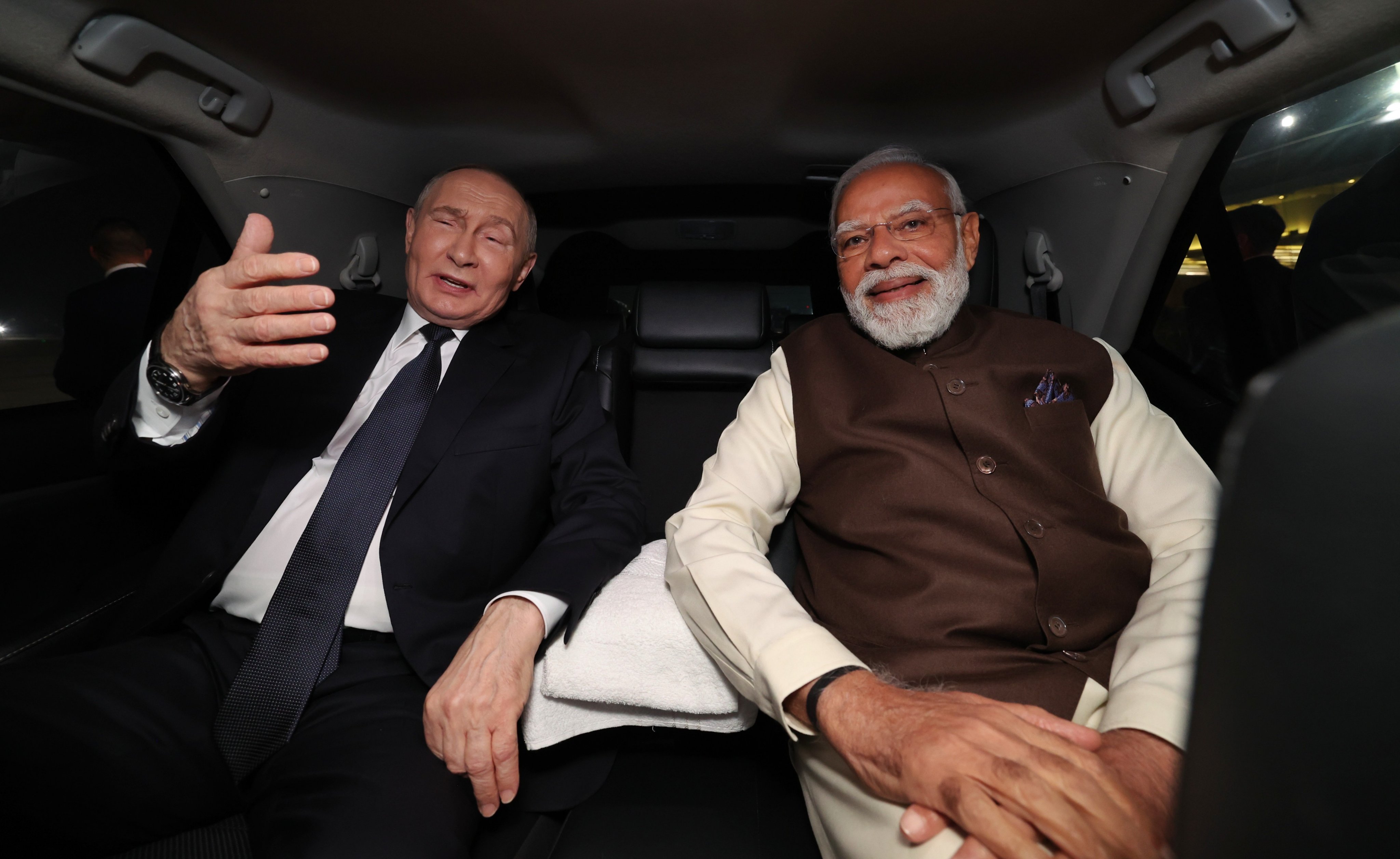
Coming less than two weeks after their meeting in Bishkek on August 31 on the margins of the Shanghai Cooperation Organisation (SCO) Summit, the Delhi engagement demonstrated the intensity of India-Russia consultations amid considerable geopolitical uncertainty. The two leaders reviewed political, economic, defence, energy, space, skill mobility and people-to-people cooperation, while discussing the conflicts in the Middle East and the Black Sea and their implications for maritime trade and Indian seafarers.
From Bishkek To Delhi: Consolidating The Partnership
The Delhi meeting built upon, rather than replicated, the Bishkek conversation. While the earlier meeting provided a broad strategic assessment, the Delhi engagement placed greater emphasis on economic and industrial cooperation. The two leaders welcomed the first INNOPROM India exhibition, held in Delhi from 9 to 11 September, as an avenue for expanding trade and industrial partnerships. They also discussed implementation of the Programme for Economic Cooperation 2030, alongside cooperation in infrastructure, energy, technology, defence and culture.
The economic dimension is becoming increasingly important. India and Russia have set a target of raising bilateral trade to $100 billion by 2030. The challenge is not simply to increase trade volumes but to diversify and balance the relationship through greater Indian exports, investment, industrial cooperation and technology partnerships, thereby strengthening its resilience to geopolitical disruptions.
Putin's BRICS Message: Sanctions, Connectivity And Economic Security
Putin's intervention at the BRICS Business Forum added a wider geopolitical-economic dimension to the bilateral discussions. He referred to Russia facing more than 30,000 sanctions, and criticised what he described as attempts to destroy pipelines, obstruct international transport corridors, seize maritime vessels and impose "illegal restrictions", including threats of secondary sanctions against countries unwilling to follow the interests of other powers. These remarks reflected Moscow's broader argument that unilateral economic restrictions are reshaping international trade and investment.
At the same time, Putin presented BRICS as an avenue for practical economic cooperation. He said Russia was prepared to work with partners on global energy and food security and reliable logistics routes, specifically mentioning the Arctic Transport Corridor and the International North-South Transport Corridor (INSTC). He also referred to opportunities in tourism, industry and trade, as well as cooperation in personnel training, applied research, smart technologies and unmanned transport.
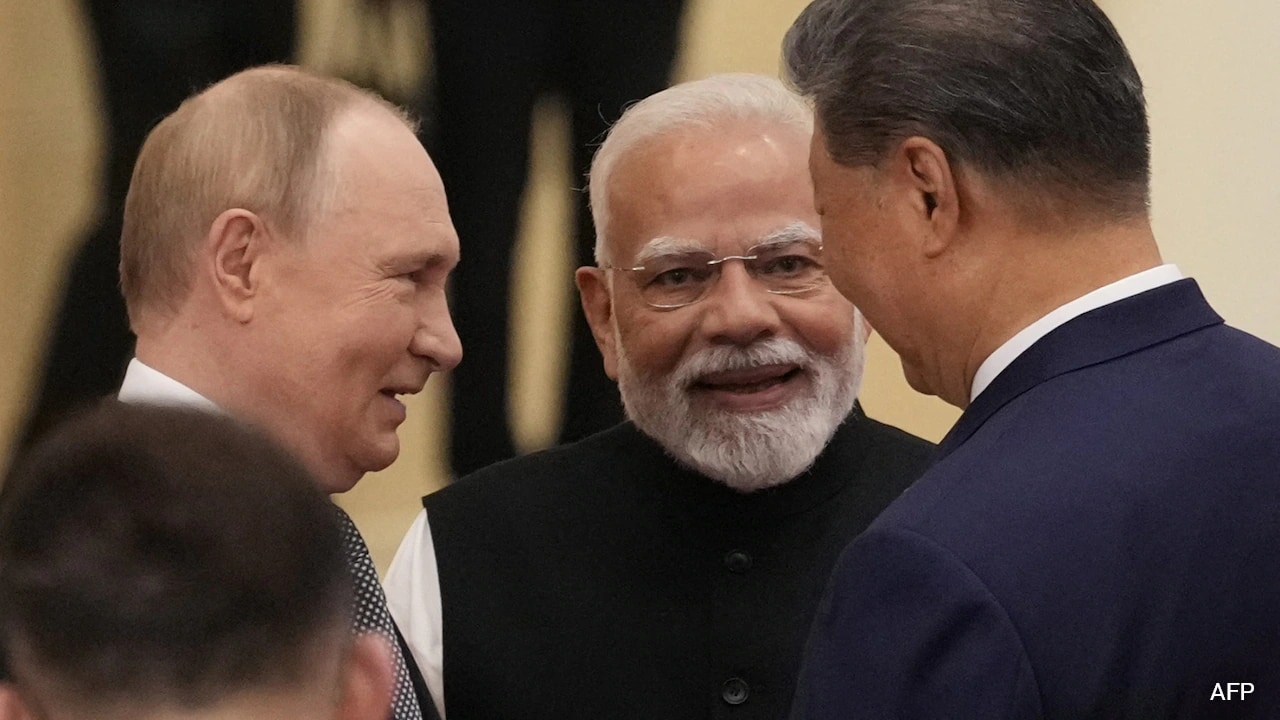
For India, this emphasis on connectivity and maritime security has particular relevance. Disruptions in the Black Sea and the Middle East have demonstrated the vulnerability of global shipping, energy supplies and supply chains. The official Indian readout noted that Prime Minister Narendra Modi and Putin discussed the impact of these conflicts on maritime trade and the safety and security of Indian seafarers. PM Modi reiterated that "dialogue and diplomacy" were the way forward in resolving conflicts and that India was ready to assist in peace efforts. This followed his message to Putin in Bishkek to move from "endless war" towards an "end of war".
The maritime dimension is consequently becoming an important component of India-Russia discussions. The Black Sea conflict has affected commercial shipping and Indian seafarers that PM Modi brought out during his discussions with Putin. Likewise, both leaders understand that disruptions in the Middle East reinforces the importance of secure and diversified trade routes.
BRICS And A Changing Global Economic Order
The bilateral meeting also needs to be viewed against India's broader BRICS agenda. At the BRICS Business Forum, PM Modi emphasised resilient supply chains, secure sea lanes, technological cooperation, innovation and stronger economic partnerships. External Affairs Minister S Jaishankar similarly stressed transparent and open trade and investment practices, predictable business environments and stronger economic cooperation amid global uncertainty.
India's BRICS Presidency has sought to position the grouping as an inclusive platform for cooperation rather than an anti-Western bloc. The Delhi Declaration emphasises reforming global governance, strengthening the representation of emerging and developing economies and making multilateral institutions more responsive to contemporary realities.
Significantly, Ukraine and the Black Sea are not mentioned by name in the Delhi Declaration, although the document addresses international conflicts more broadly and calls for dialogue, diplomacy and peaceful resolution. This distinction is important. India continues to address the Ukraine conflict directly with Russia while simultaneously using BRICS to advance broader principles of multilateralism, development and inclusive global governance.
A Resilient Partnership Looking Ahead
The Delhi meeting provides an opportunity to recalibrate India-Russia relations for a changing global order. The forthcoming annual summit should focus on greater institutional depth and strategic utility through diversified trade, Indian investment, industrial and technology partnerships, critical minerals, energy security and connectivity. Maritime security and resilient transport corridors should also gain greater prominence.
At the same time, India's strategic logic will remain distinctly its own. New Delhi need not choose between Russia and its expanding partnerships with the United States, Europe, Japan and others. The India-Russia relationship is valuable precisely because it provides additional strategic options, economic pathways and diplomatic space.
The next phase should therefore transform strategic autonomy from a defensive principle into an active policy of diversification, choice and strategic leverage, making the partnership more balanced, reciprocal and relevant to India's long-term national interests while continuing to take into consideration each other's strategic interests as well as the redlines.
(Dr Indrani Talukdar is a Fellow at the Chintan Research Foundation, New Delhi)
KioskNews shows a cleaned-up reading view extracted from the publisher’s page — the original always lives on their site, not ours.