‘One of the ocean’s best-kept secrets’ spotted near Massachusetts
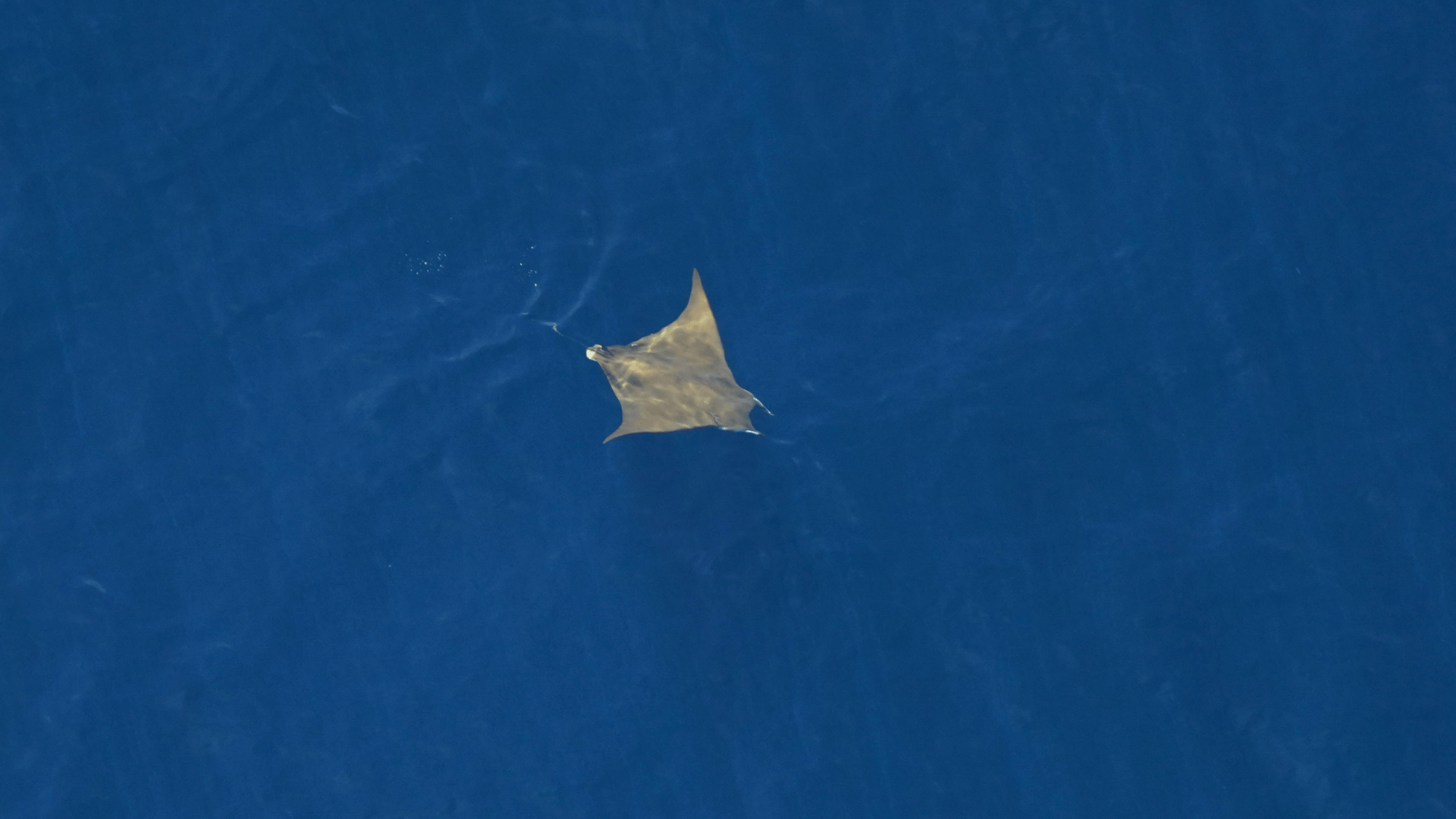
As the summer drew to a close, aerial surveyors with the New England Aquarium saw more than 2,000 animals across 15 different marine species in the Northeast Canyons and Seamounts Marine National Monument, southeast of Cape Cod. Among that vast diversity, the team spotted Chilean devil rays (Mobula tarapacana). This ethereal fish is “one of the ocean’s best-kept secrets,” according to the aquarium.
“We rarely see Chilean devil rays on our aerial surveys,” Katherine McKenna, a researcher in the New England Aquarium’s Anderson Cabot Center for Ocean Life, tells Popular Science. McKenna was one of the observers on the team that saw the Chilean devil rays from above.

“The Monument’s deep sea canyons, complex oceanographic conditions, and productive waters support a remarkable diversity of marine life, especially in the summer months when warm water protruding from the Gulf Stream draws in seasonal visitors like Chilean devil rays,” she says.”
Chilean devil rays, also called sicklefin devil rays, are olive-green- or brown-colored and are found in the planet’s tropics and warm temperature seas. These large fish have an 11- to 12.5-foot-wide wingspan and weigh 715 to 1,100 pounds. They’re named after the country where they were first scientifically documented, and McKenna says that the “devil” was inspired by the horn-shaped cephalic fins around their mouths. They are classified as Critically Endangered on the IUCN Red List, and mainly threatened by by-catch and overfishing.
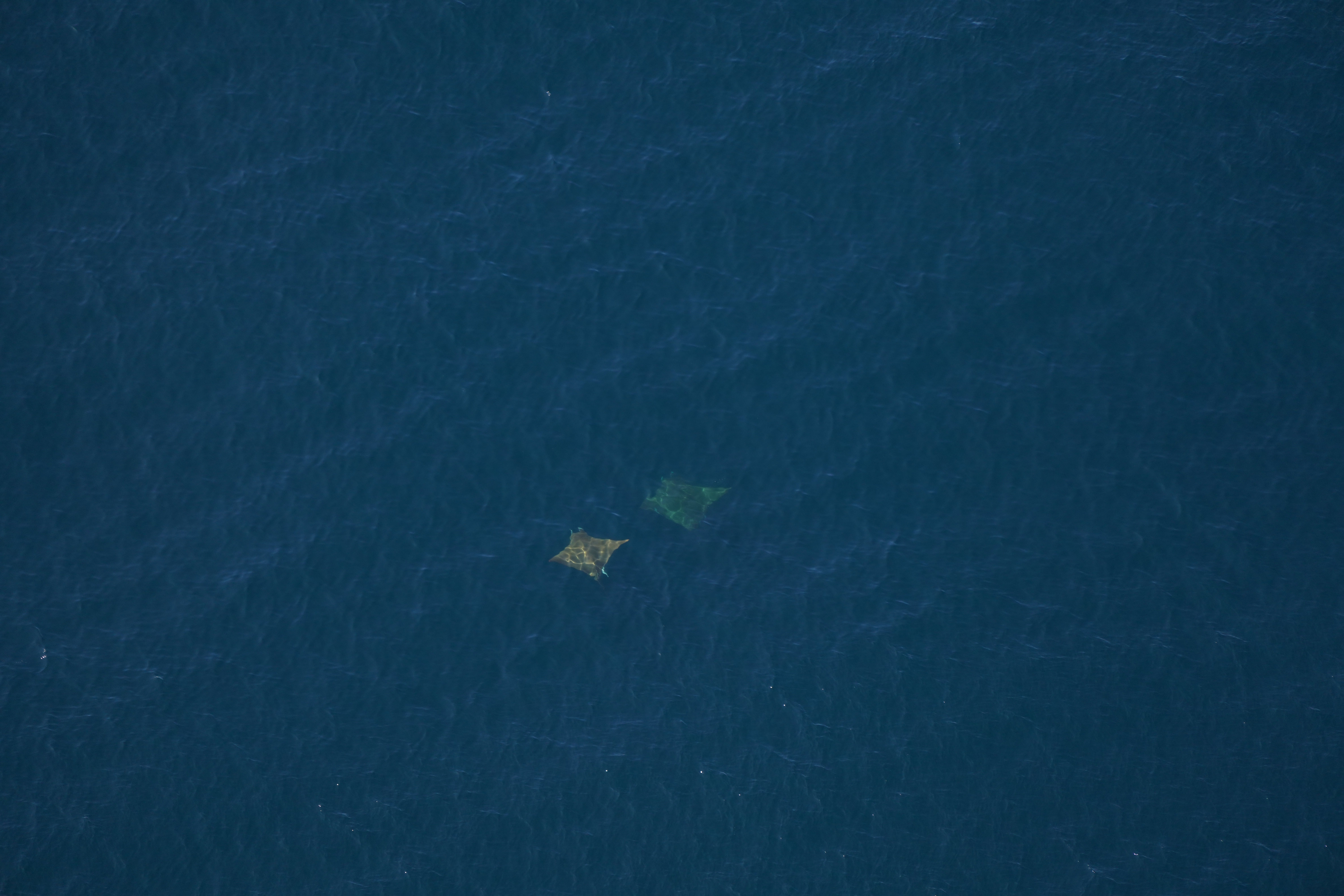
What’s more, the species is relatively difficult to study. They can travel very far, and they are frequently solitary and usually found offshore. When rays like these are found in a group, however, it’s called a “fever.” One thing we do know is that Chilean devil rays are the deepest diving ray species. They can dive almost 6,000 feet deep.
“This is possible due to a specialized network of blood vessels surrounding their brain that allows them to keep their brain warm even at very cold water temperatures at deep depths,” says McKenna.
KioskNews shows a cleaned-up reading view extracted from the publisher’s page — the original always lives on their site, not ours.