Russia’s digital Achilles’ heel? How Ukraine data centre strikes disrupt daily life
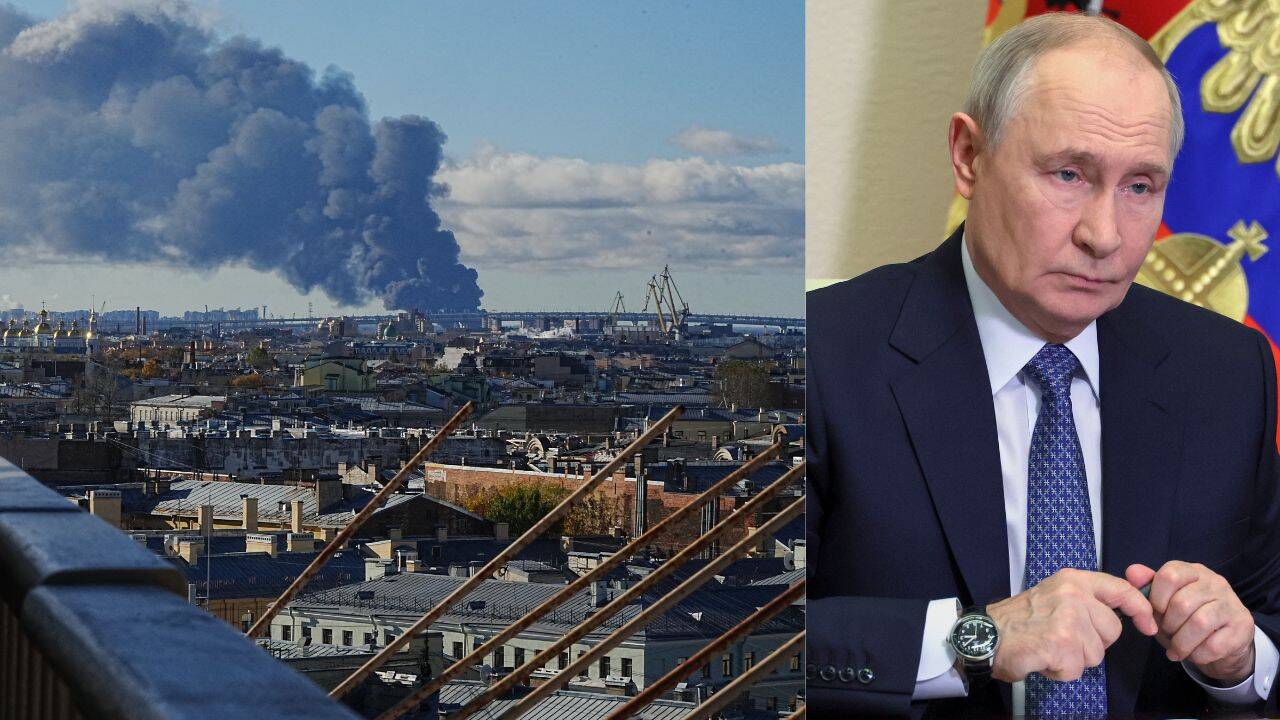

Ukraine hits Russia’s tech nerve centre as data outages disrupt daily life
Ukrainian drone strikes on Russian data centres have disrupted banking, taxi services, food deliveries and digital access to homes, exposing the vulnerability of services used by millions of Russians.
This comes as Kyiv expands its campaign against Moscow’s technology infrastructure.The attacks, carried out over several days in October, targeted data centres operated by Yandex, Russia’s largest technology company, followed by a facility owned by Sberbank, the country’s largest bank. A data centre belonging to technology group VK was also reportedly targeted.Yandex, often described as “Russia’s Google”, provides search, email, navigation, music, ride-hailing, food delivery, cloud computing and digital payment services.Connectivity to the Yandex Cloud platform fell to around 30 per cent of normal levels following the October 8-11 strikes, The Moscow times reported, quoting internet monitoring group NetBlocks.Disruptions also affected third-party businesses that depend on its infrastructure, with users reporting problems accessing files, ordering taxis and entering residential buildings after digital keys stopped working.
Yandex confirmed that one data centre had sustained significant damage, another had been shut down, and a third had suffered infrastructure disruptions.Although access to Yandex Pay was subsequently restored, several people reported that the service displayed an incorrect account balance.According to The Moscow Times, Yandex Pay remained only partially operational as of Monday, displaying a reassurance to users in place of the earlier error message: “Your money is safe.
Some features are unavailable. Our engineers are working to get everything up and running again.”State agencies and private businesses relying on Yandex infrastructure, including dating apps and access systems for residential complexes and smart homes, also faced disruptions, The Moscow Times reported.Taxi drivers were also affected. Three drivers told NBC News they could not track their earnings or withdraw their money during the outage.
One said the application had displayed error messages and, at times, dispatched multiple cars for a single customer.On October 14, Ukrainian drones struck a Sberbank data centre in the Saratov region. However, the bank said its systems remained operational.“We confirm that the data processing centre was attacked. At the same time, all of Sberbank's systems and services are operating normally and without disruption,” Alexander Vedyakhin, Sberbank’s first deputy CEO told Reuters.Kremlin spokesman Dmitry Peskov said the government was discussing Yandex’s difficulties but that it was too early to assess whether users had suffered financial losses. Russia’s digital development minister Maksut Shadayev said officials were working with the defence ministry on measures to protect data centres, according to The Moscow Times.Ukraine has described the strikes as retaliation for Russian attacks on its own digital infrastructure.
Ukrainian President Volodymyr Zelenskyy has accused Moscow of trying to “leave Ukrainians without the internet”.The attacks have exposed the risks posed by Russia’s reliance on a relatively small number of major technology providers.Meanwhile, Russia has also intensified attacks on Ukraine’s digital and energy infrastructure. However, Russian data centres were potentially more vulnerable because many are concentrated in a handful of large facilities, whereas Ukraine’s are more widely dispersed. A strike on a single Russian facility can therefore disrupt services spanning payments, transport and internet access.
KioskNews shows a cleaned-up reading view extracted from the publisher’s page — the original always lives on their site, not ours.