A healthy gut does not have to cost more — Rafidah Lani
AUGUST 23 — In recent years, gut health has exploded into a massive wellness trend, often accompanied by heavily marketed, premium-priced supplements and imported health drinks. For many Malaysians navigating a fast-paced lifestyle, perhaps frequently relying on quick meals from local eateries, achieving digestive balance might seem like an expensive, unattainable luxury.
However, maintaining a robust, resilient digestive system does not require emptying your wallet. By tapping into everyday whole foods found right in our local markets, you can cultivate a thriving internal ecosystem. The secret lies in understanding how prebiotics and probiotics work synergistically to naturally and affordably enhance your gut health.
To truly optimize digestive wellness, it is essential to distinguish between probiotics and prebiotics, as they play very different but complementary roles. Probiotics are live microorganisms that, when consumed in adequate amounts, directly introduce beneficial bacteria to your digestive tract. Prebiotics are non-digestible dietary fibres that act as fuel, selectively nourishing these beneficial microbes so they can survive, multiply, and function effectively.
Imagine your gut microbiome as a delicate, tropical garden. Probiotics are the new plants and seeds you introduce, whereas prebiotics provide the nutrient-rich fertilizer that ensures those plants take root and flourish. Relying solely on expensive probiotic capsules without consuming enough prebiotic fibre often leads to a scenario called “colonization resistance,” where the newly introduced bacteria simply pass through your digestive tract without establishing a long-term, functional presence.
When your resident beneficial bacteria ferment prebiotic fibres, they generate vital metabolic byproducts known as short-chain fatty acids (SCFAs), including butyrate, propionate, and acetate. These SCFAs are true biological powerhouses. They fortify the intestinal mucosal barrier, regulate immune responses, and even communicate directly with the brain via the vagus nerve to influence mood, stress resilience, and appetite. SCFAs maintain the integrity of the blood-brain barrier and help suppress neuroinflammation, showcasing just how deeply gut health impacts our overall mental and physical well-being.
Before adding new foods to your routine, it is vital to recognize dietary habits that may be actively harming your gut. Modern diets are increasingly dominated by ultra-processed foods (UPFs), which are typically energy-dense but profoundly nutrient-poor. These highly processed items often contain artificial additives, emulsifiers, and sweeteners that can strip away the protective mucosal layer of the intestine.
This internal disruption allows harmful bacteria and bacterial products, such as lipopolysaccharides (LPS), to access sterile regions of the gut lining and enter the bloodstream, triggering a chronic, low-grade inflammatory state known as “metainflammation”. Over time, excessive UPF consumption and a lack of fibre shift the microbial balance, contributing to metabolic dysregulation, obesity, and an increased risk of inflammatory bowel diseases. Cutting back on highly processed snacks, refined sugars, and deep-fried foods is a completely free, highly effective first step toward a healthier gut.
You do not need to rely on imported, RM150 supplement bottles to populate your gut with good bacteria. Traditional fermented foods naturally deliver diverse bacterial strains, improved nutrient absorption, and beneficial enzymes at a fraction of the cost. In the Malaysian context, we are surrounded by excellent, budget-friendly probiotic sources.
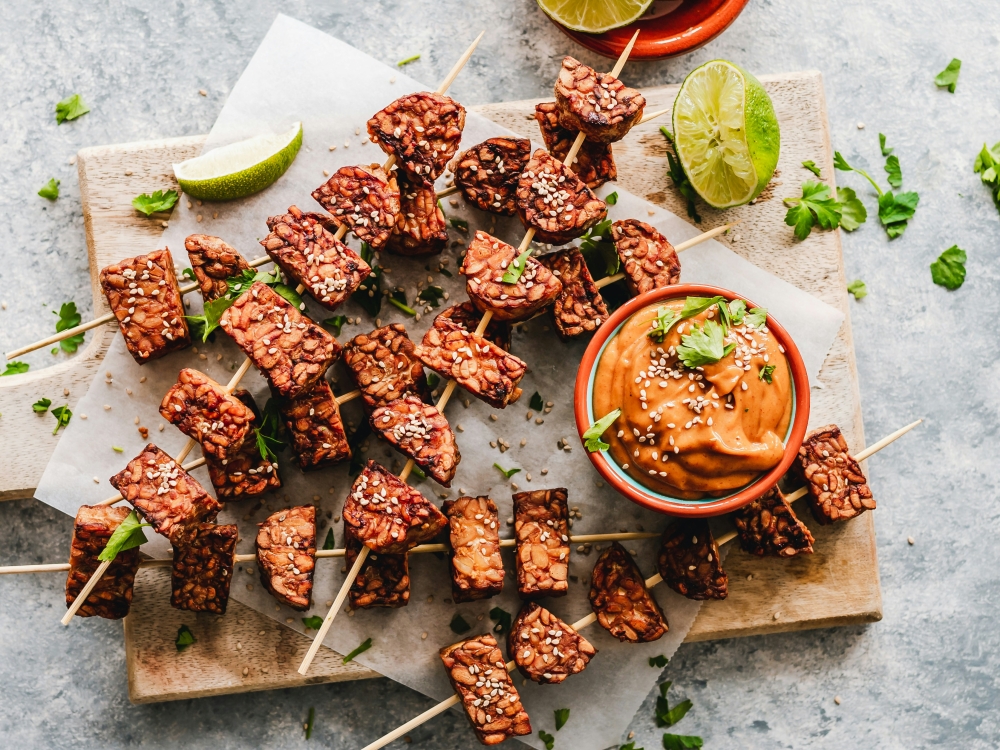
Tempeh, a highly accessible fermented soy product, is a fantastic option. Even when cooked, which inactivates live cultures, the residual microbial components (known as paraprobiotics) in tempeh continue to provide immune and gut modulation. Widely consumed staples of Indian origin, such as fermented idli and dosa batter, are superb probiotic sources that naturally improve your gut flora. Simple cooling additions like dahi (curd) or chaas (buttermilk) are deeply integrated into our food culture and act as excellent probiotic therapies to help repopulate the gut.
Everyday foods such as tempeh, bananas, oats and lentils can provide affordable sources of probiotics and prebiotic fibre for a healthier gut. — Unsplash pic
If you are exploring commercial fermented vegetables at the supermarket, such as kimchi or sauerkraut, always ensure the label says “raw” and “unpasteurized”. Products that have been pasteurized or simply pickled in vinegar offer a sour taste but provide absolutely zero live probiotic benefits, as the heat or acidic shortcuts kill the beneficial cultures. Health experts suggest that just 2 to 3 tablespoons of raw fermented foods, taken a few times daily with meals, provide optimal and consistent probiotic support.
To ensure your newly introduced probiotics flourish, you must consistently feed them prebiotic fibres. Health experts recommend a daily target of roughly 30 to 35 grams of fibre for optimal protection against diseases. Fortunately, some of the most potent prebiotics are incredibly affordable and abundant in our local fresh markets. Everyday culinary bases like garlic, onions, and bananas are incredibly rich in prebiotic fibres.
Whole grains like oats and brown rice provide complex carbohydrates that deliver sustained energy while simultaneously feeding beneficial microbes. Setting a simple goal to consume 10 grams of fibre before noon, perhaps through a simple bowl of oats topped with bananas, can set a positive tone for your entire day.
Legumes, such as lentils (dal) and chickpeas (chole), are arguably the most cost-effective gut superfoods available globally. They fit perfectly into a tight budget, offering up to 15 grams of fibre per serving alongside high-quality plant protein, lowering insulin-like growth factors and boosting your gut health. If fresh produce ever feels too expensive or spoils too quickly, do not overlook frozen vegetables; they are picked at peak freshness, are highly economical, and retain their prebiotic fibres perfectly intact.
Achieving long-term digestive balance requires consistency and smart lifestyle adaptations rather than quick fixes. If your body is not accustomed to high-fibre or fermented foods, introduce them slowly. Rapidly overhauling your diet can overwhelm your system, causing temporary bloating, gas, and discomfort as your microbiome struggles to adjust.
Preparing large quantities of dal, whole grains, and roasted vegetables on weekends provides convenient, gut-healthy bases for meals throughout the busy week. This prevents the temptation to reach for ultra-processed foods when you are exhausted. Academic or workplace stress can severely disrupt digestion. Taking the time to eat mindfully and chew thoroughly improves digestive enzyme production. Combining this with a light walk after meals enhances gut motility and strengthens the gut-brain connection.
Cultivating a healthy digestive system is not an exclusive privilege reserved for those with high disposable incomes. By understanding that probiotics are the seeds and prebiotics are the soil, you can build a resilient gut ecosystem using accessible, everyday foods.
Embracing local fermented staples like tempeh and idli, alongside budget-friendly fibres like dal and bananas, empowers you to achieve metabolic balance, protect your mental well-being, and look after your wallet all at once.
* The author is a senior lecturer at the Department of Medical Microbiology, Faculty of Medicine, and an associate researcher at the Ungku Aziz Centre for Development Studies, Universiti Malaya, and can be reached at [email protected]
** This is the personal opinion of the writer or publication and does not necessarily represent the views of Malay Mail.
KioskNews shows a cleaned-up reading view extracted from the publisher’s page — the original always lives on their site, not ours.