How sport inspires inclusion, shared purpose and global solidarity
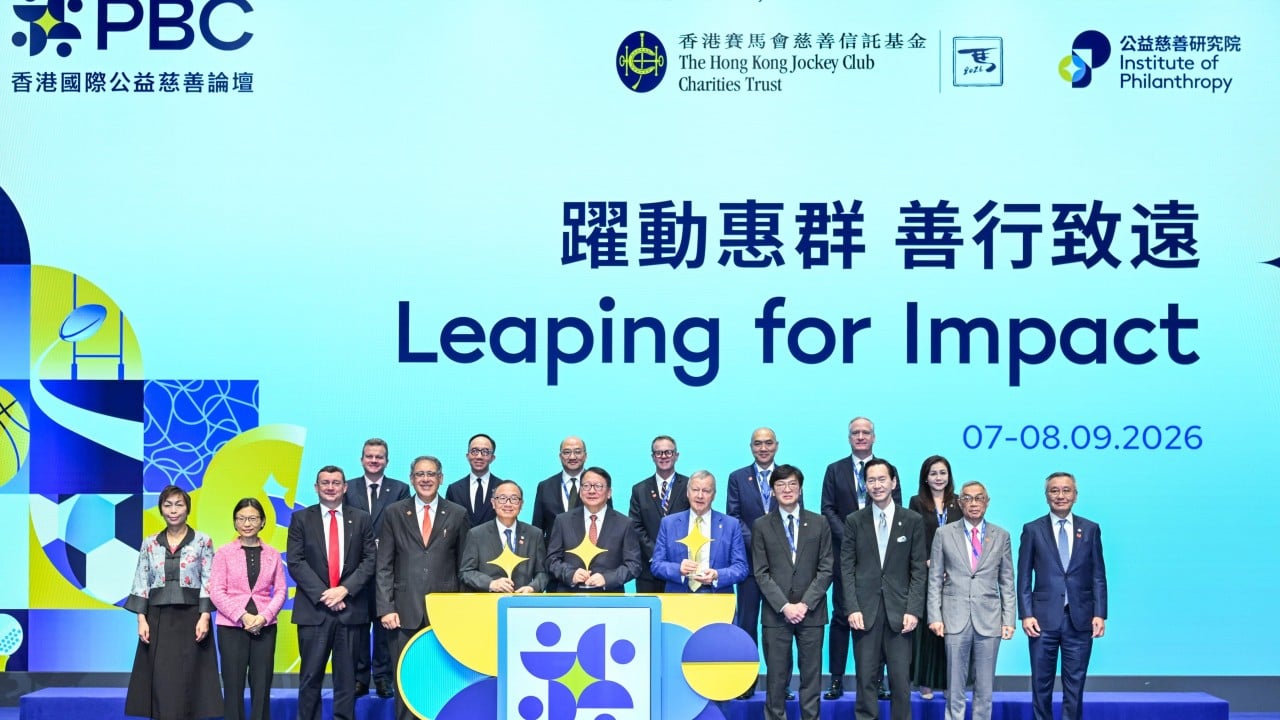
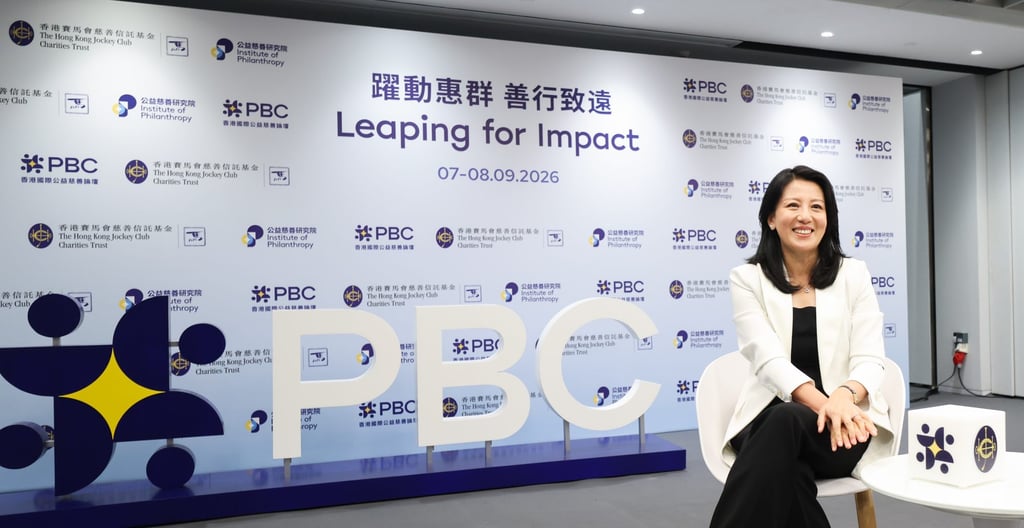
The synergy between sports and philanthropy took centre stage earlier this month at the two-day PBC (Philanthropy for Better Cities) Forum 2026, convened by The Hong Kong Jockey Club Charities Trust, in association with the Institute of Philanthropy (IoP), at Hong Kong’s West Kowloon Cultural District.
IoP was established by the Club and its Charities Trust in 2023, and is dedicated to promoting philanthropic thought leadership and enhancing sector capabilities at local, regional and global levels.
Addressing a full hall of guests, including a number of established athletes, Martin Liao, the Club’s chairman, highlighted the Club’s leadership in philanthropy, including PBC 2026 and its Charities Trust, Asia’s largest philanthropic funder and one of the world’s leading charity donors.
“PBC 2026 examines the need for systems change, new approaches to capital and the capabilities required to deliver impact,” he said. “It explores how cross-sector collaboration and multi-stakeholder partnerships can drive sustainable and lasting outcomes.
“Including this year, PBC will have engaged more than 10,000 participants over the past decade and featured more than 380 speakers from over 40 countries and regions – making it one of the world’s largest philanthropic assemblies.”
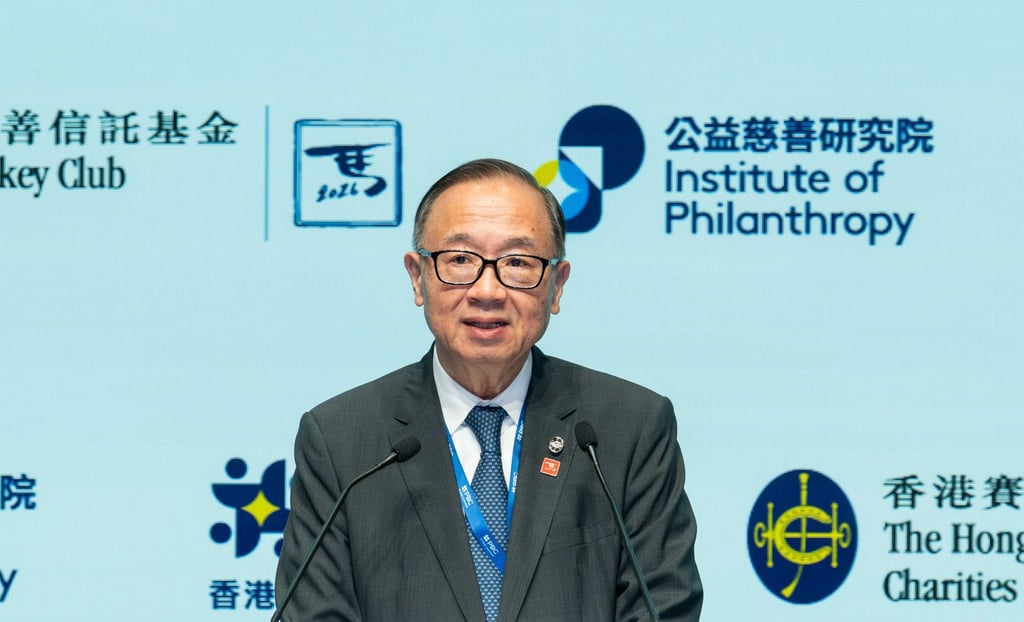
The fifth edition of the event, which marked PBC’s 10th anniversary, was attended by more than 80 eminent speakers and over 2,000 delegates from philanthropic, sports, business, government, academic and social sectors around the world.
Discussions examined pressing social issues including health, the well-being of older adults, urban poverty alleviation, heritage conservation, youth positive trajectory development, climate resilience and inclusive employment.
Among the speakers was the Chinese Winter Olympics gold medallist Yang Yang, who said she only grasped sport’s global philanthropic potential once she had retired from competition. At the end of her career, Yang donated some of her prize money to a charity run by a fellow former athlete, then travelled to Africa and saw its effects first-hand.
“It was an eye-opening moment … it ignited my initial passion,” said Yang, vice-president of the World Anti-Doping Agency and founder of the China Champion Foundation. “That was when I realised sport itself is also a tool for charity, and ultimately a tool for social development.”
Yang took part in the forum’s “Expanding the Arena: Philanthropy, Leadership, and Pathways Beyond Sport” plenary. “There is only one gold medal, but every hardworking person can become their own champion,” she said. “[Then] I think the word champion, for me, has a greater meaning.”
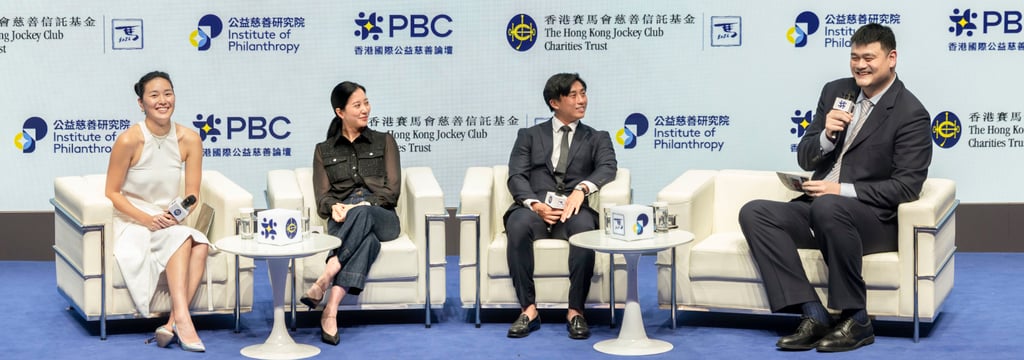
The forum also featured basketball icon Yao Ming, founder of the Yao Foundation, who was the moderator of the closing plenary session, titled “Passing the Torch: From Athletes to Future Changemakers”, which discussed how philanthropy changes lives and inspires communities. Speakers in this session were retired Olympic swimmer Yvette Kong and the Asian Games medallists Jacqueline Lai (equestrian) and Cado Lee (rugby sevens player).
Winfried Engelbrecht-Bresges, the Club’s CEO, said the forum’s theme, “Leaping for Impact”, “takes inspiration from the world’s leading sports and top athletes” and it pointed the way forward for the role philanthropy plays in and across societies.
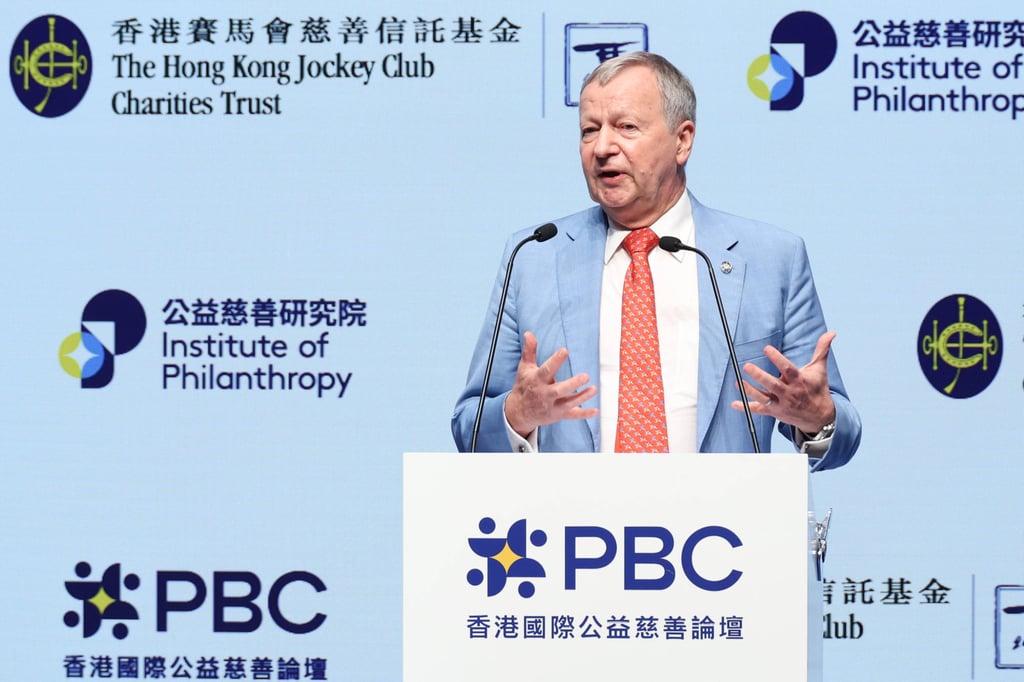
“Meaningful impact doesn’t happen by accident,” he said. “It requires vision, discipline and commitment. And, above all, it requires collaboration. No organisation, foundation, government or business can address today’s challenges alone. Partnerships are key, but equally important is finding the right partners: those who bring complementary strengths, share our purpose, are committed to achieving meaningful outcomes together.”
Marking the occasion, the Trust also released its first-ever Impact Report at the forum, tracing its philanthropy to the Club’s earliest recorded donation in 1915. The Club has developed a new three-tier hierarchical measurement framework, evaluating impact at project, programme and Trust levels. In 2025-26, the Club returned HK$39.3 billion to the community – HK$30.7 billion in duty, tax and Lotteries Fund contributions to the Hong Kong government, and HK$8.6 billion in approved charity donations.
The forum drew global philanthropy leaders, including Helen Clark, a former New Zealand prime minister and previously an administrator of the United Nations Development Programme.
In her keynote speech, titled “A New Era for Philanthropy: Leading Through Complexity”, she said sport offered examples of the leadership philanthropy needs, citing its focus on “excellence, respect and teamwork”. But she added that there was also a need for philanthropy to take “bold, strategic leaps forward” in its own leadership to face global uncertainties.
“We’ve heard of the work of The Hong Kong Jockey Club Charities Trust [and] so many other philanthropies … making huge contributions across poverty elimination, health, education and the environment,” she said.
The forum also launched the Commission on Asian Philanthropy’s interim report, “Strengthening Asia’s Philanthropic Ecosystems for Inclusive and Sustainable Growth by 2050”. It estimates that domestic philanthropic giving across participating jurisdictions reached US$109 billion in 2024, and could exceed US$1 trillion over the next decade. The Bridgespan Group’s report on high-impact family philanthropy was also released at the event.
KioskNews shows a cleaned-up reading view extracted from the publisher’s page — the original always lives on their site, not ours.