Rahul Dravid's Ultimate Sacrifice: When 'The Wall' Proved Why He Was India's Mr. Dependable
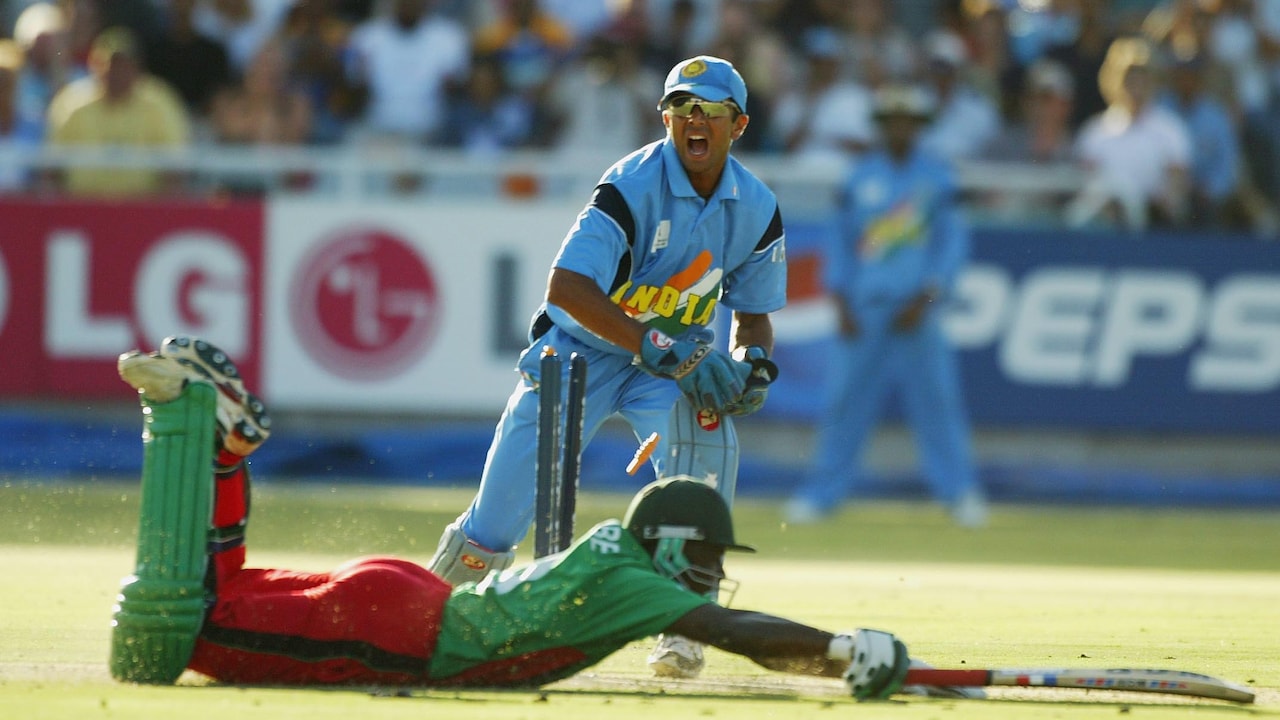
Rahul Dravid sacrificed himself for Team India's balance© Getty
The story behind Rahul Dravid taking up wicket-keeping is one of the most fascinating tales of sacrifice in Indian cricket history. The move didn't just fix the Indian cricket jigsaw, it also reshaped the team's balance and prolonged the career of one of its greatest legends. Just as ODI cricket has been transformed due to the rise of T20 cricket these days, the early 2000s saw the white-ball format undergo a rapid change. Teams around the world possessed dynamic, multi-skilled wicketkeeper-batters. Australia had Adam Gilchrist, South Africa had Mark Boucher, and Sri Lanka had Kumar Sangakkara. India, in comparison, lacked a player who could keep wickets to a high standard and anchor the middle order.
This meant India's batting lineup traditionally ended at number six, leaving them vulnerable compared to international powerhouses. At the same time, Rahul Dravid's place in the ODI setup was under intense scrutiny. Despite being a Test maestro, critics and some selectors argued that his scoring rate and style didn't fit the evolving demands of one-day cricket, and pressure was mounting to drop him.
It was then that captain Sourav Ganguly stood behind Dravid and strongly resisted the chatter around him being axed from the team. He believed it could permanently damage his international momentum. To shield him from the selectors' axe while solving India's team composition dilemma, Ganguly pitched a surprising idea, to make Dravid put on the wicket-keeping gloves.
By asking Dravid to keep wicket, India could suddenly drop a specialist keeper who wasn't offering enough runs, and squeeze an extra specialist batter into the playing XI. This extended India's batting depth safely down to number seven.
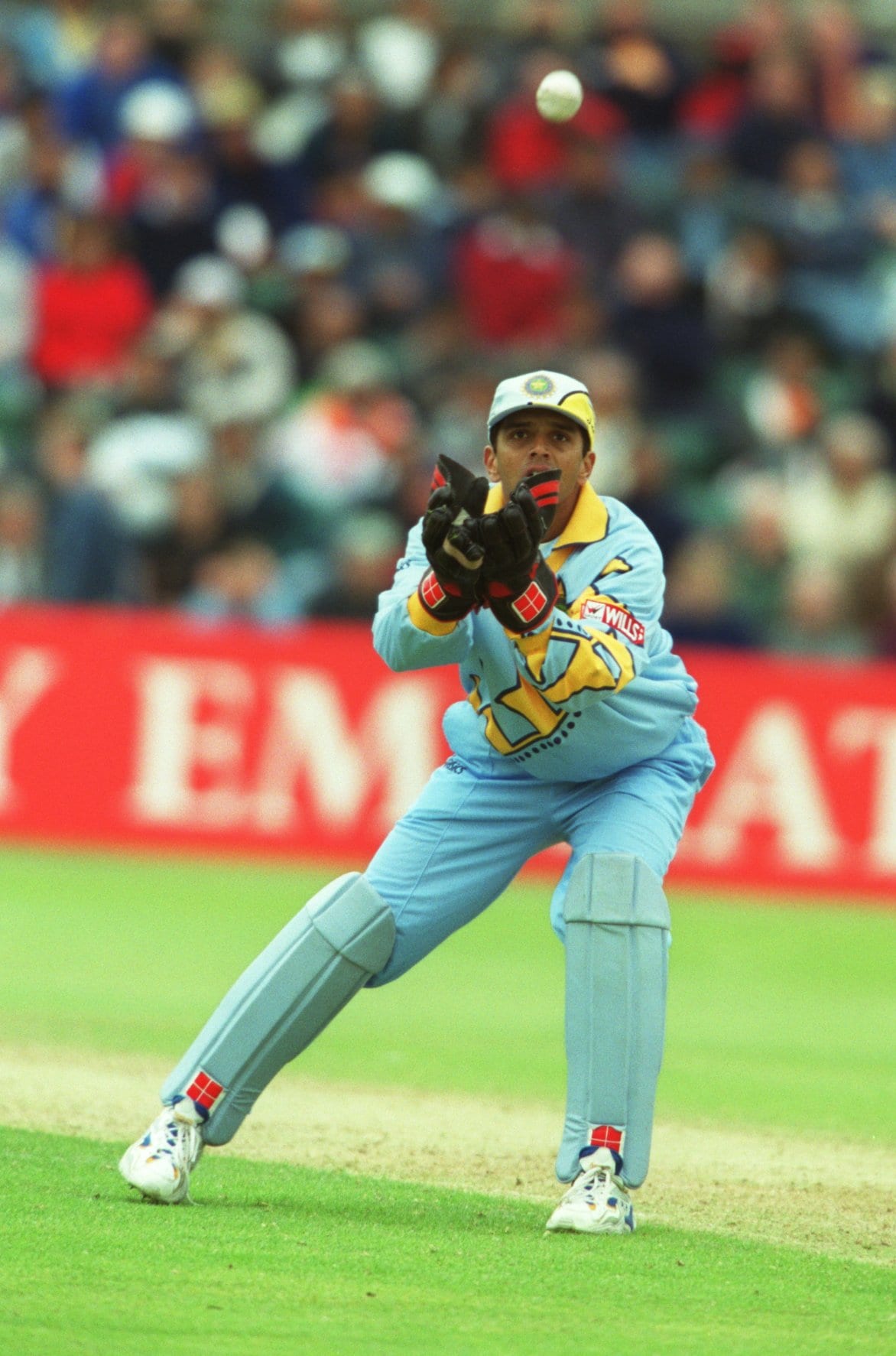
Though initially hesitant about taking on such a demanding role, Dravid accepted the role for the good of the team. The experiment was a roaring success. It transformed India into a far more balanced unit, allowing them to play five bowlers/all-rounders and a deep batting lineup. This exact blueprint became the foundation of India's stellar run to the 2003 Cricket World Cup final in South Africa.
For Dravid, it proved his ultimate status as Mr. Dependable for the Indian team, a man who proved yet again that he was ready to trade personal comfort and his traditional slip-cordon duties for the greater good.
This is how "The Wall" became the team's literal safety net.
Featured Video Of The Day
India Ends CWG Boxing Campaign With Record-Breaking Seven Gold Medals
KioskNews shows a cleaned-up reading view extracted from the publisher’s page — the original always lives on their site, not ours.