Netflix's 4-Part Crime Thriller Series Delivers A Masterclass In Morally Grey Characters

Ben Sherlock is a Tomatometer-approved film and TV critic who runs the massively underrated YouTube channel I Got Touched at the Cinema. Before working at Screen Rant, Ben wrote for Game Rant, Taste of Cinema, Comic Book Resources, and BabbleTop. He's also an indie filmmaker, a standup comedian, and an alumnus of the School of Rock.
Ever since David Chase made us empathize with a murderous mob boss in The Sopranos, it’s been fashionable for TV shows to revolve around morally grey characters. For decades before Tony Soprano came along, network executives had assumed that audiences would only come back every week to watch a character who was good and likable. It was common wisdom that, if the protagonist of a TV show murdered someone in episode 5, then audiences wouldn’t tune in for episode 6. But The Sopranos proved that they would not only tune in for episode 6; they would tune in for five more seasons.
The Sopranos singlehandedly kicked off the Golden Age of Television, introducing cinematic visuals, mature themes, and morally complicated characters to a medium that had spent half a century subsisting on repeatable formulas, rigid staging, and black-and-white tales of good versus evil. After The Sopranos, we saw a cop show about corrupt cops (The Shield), a western about a sadistic, abusive pimp (Deadwood), and a soap opera about philandering 1960s ad executives (Mad Men).
In The Wire, we saw a shotgun-wielding vigilante who robbed the drug dealers of Baltimore and passed on crucial information to the detectives trying to put them behind bars. In Barry, we saw a contract killer who dreamed of becoming an actor and settling down to start a family. In Dexter, we saw a serial killer who only targeted other serial killers.
Breaking Bad popularized a very specific kind of antihero: the everyman who, as the title would suggest, “breaks bad.” Where Tony and Omar Little and Vic Mackey always lived violent lives, Walter White and Lester Nygaard and Ozark’s Marty Byrde are just regular guys who got drawn into a life of violence. Ozark transcended its Breaking Bad similarities to explore even deeper moral grey areas.
Ozark's Morality Is Even More Complicated Than Breaking Bad

When Ozark first premiered, it seemed like little more than a shallow Breaking Bad knockoff. It told another story of an ordinary everyman getting in over his head in the criminal underworld, and reluctantly dragging his family into an illegal enterprise. Where Walter White was a chemist who cooked meth to pay his medical bills, Marty Byrde is an accountant who cooks the cartel’s books to cover his late business partner’s significant debts. With the juxtaposition of an average suburban dad going into business with a Mexican cartel, Ozark felt like Breaking Bad 2.0 in its early episodes.
But Ozark quickly found its feet and became its own thing. Ozark had a much colder color palette than Breaking Bad, swapping out golden deserts for misty mountains; Ozark’s violence was so gruesome that it made Breaking Bad look tame by comparison; and Ozark’s morality was even more complicated than Breaking Bad.
With Breaking Bad, Vince Gilligan had set out to turn Mr. Chips into Scarface. He wanted to use the longform medium of television to chart a character’s gradual change, as a benevolent chemistry teacher was corrupted by extreme circumstances and became a cold-blooded monster with a hefty body count to his name. It was a great hook that revolutionized serialized storytelling on TV, but it kept the show’s ethics on pretty straight rails. Skyler, Walt Jr., Hank, and Marie (minus the kleptomania) were all good, decent people to contrast with Walt’s descent into darkness.
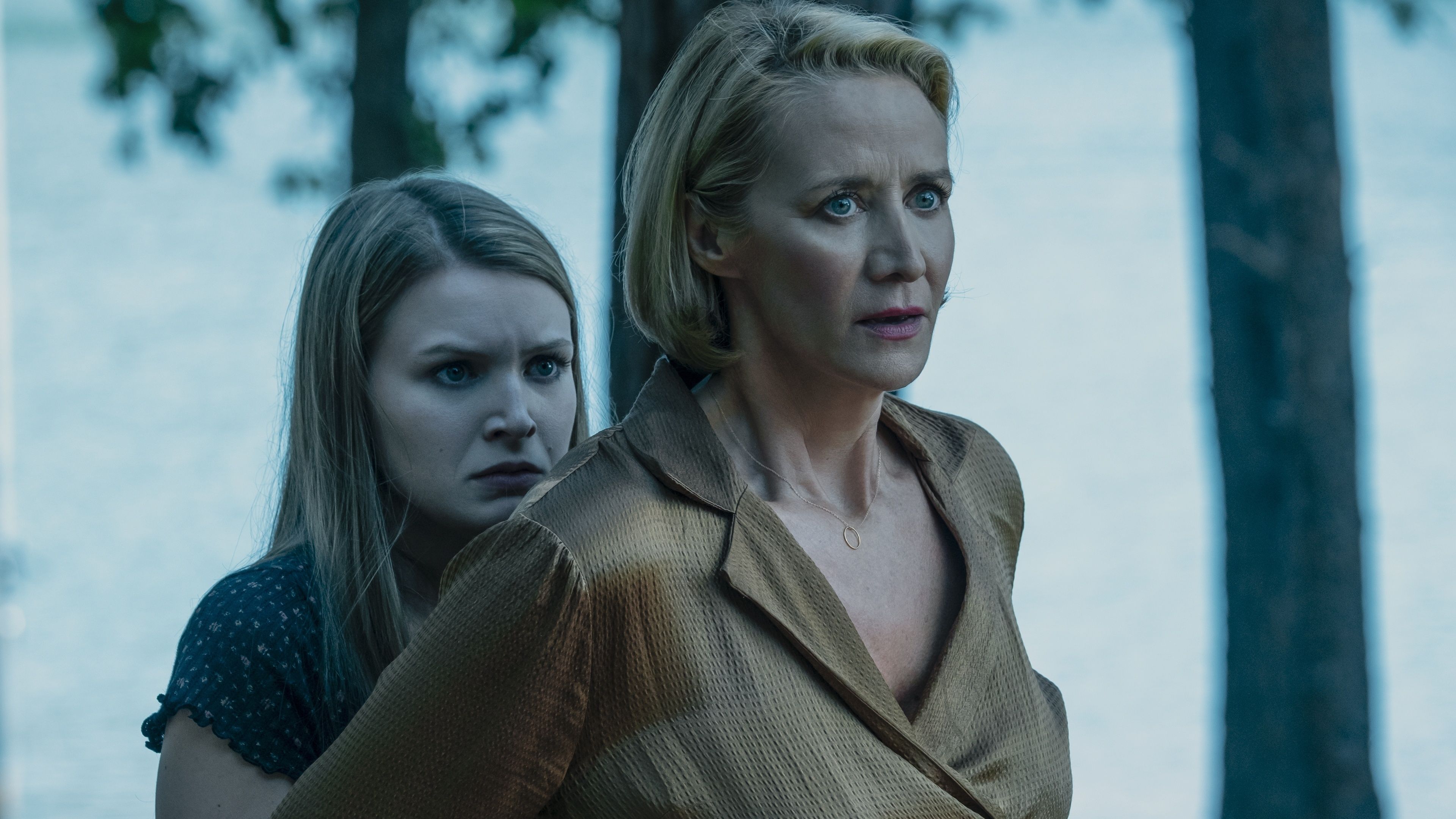
Ozark’s characters were a lot more complicated. Ozark’s answer to Skyler, Wendy Byrde, wasn’t just a damsel in distress; she might’ve been even more despicable than Walt himself. Its version of Jesse Pinkman, Ruth Langmore, is convincingly badass and tough-as-nails, but also convincingly vulnerable and human; she contains multitudes. Ozark isn’t quite as perfectly crafted as Breaking Bad, but it is somehow grimmer.

Ozark
- Release Date
- 2017 - 2022
- Network
- Netflix
- Showrunner
- Chris Mundy
- Directors
- Alik Sakharov, Andrew Bernstein, Amanda Marsalis, Benjamin Semanoff, Daniel Sackheim, Ellen Kuras, Phil Abraham, Robin Wright, Cherien Dabis, Laura Linney
KioskNews shows a cleaned-up reading view extracted from the publisher’s page — the original always lives on their site, not ours.