Evergrande tycoon at heart of China’s property crisis jailed
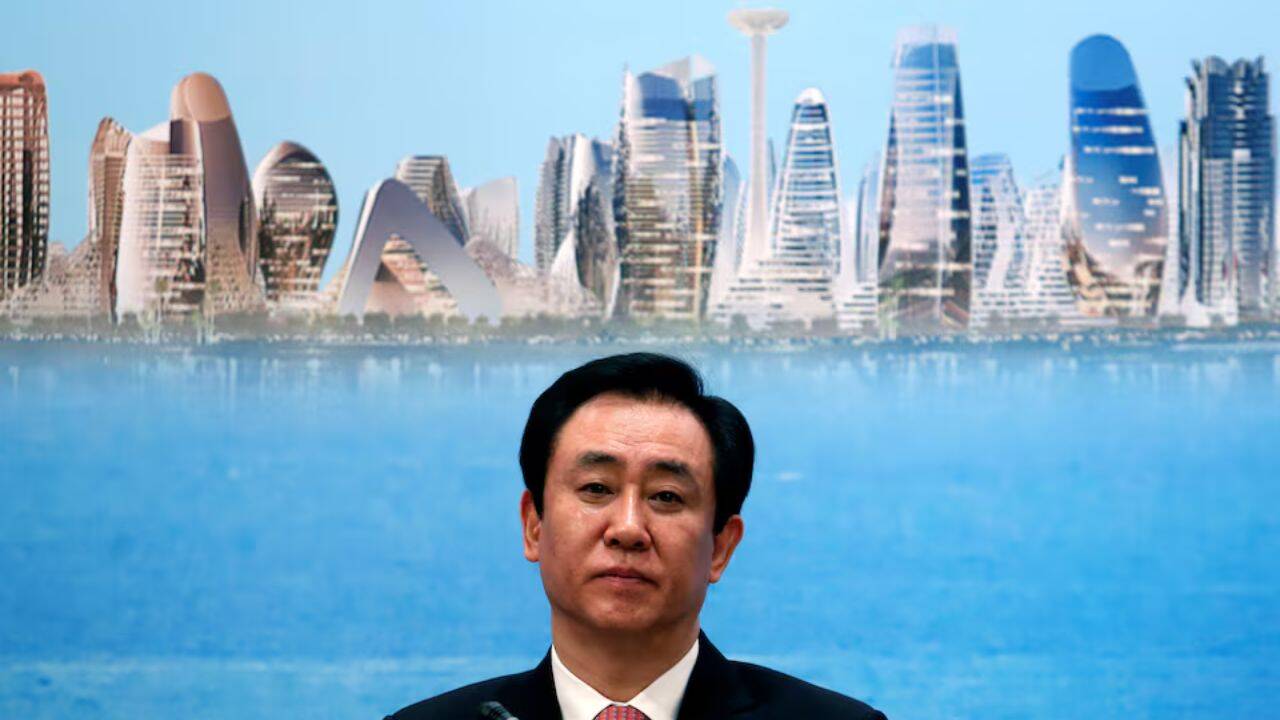
Hui was once Asia's richest person, Evergrande China's top developer. Reuters
China has sentenced Evergrande founder and former chairman Hui Ka Yan to life in prison for financial crimes linked to the property developer's operations. The Shenzhen Intermediate People's Court also ordered his assets to be confiscated.According to The New York Times, Hui pleaded guilty in April to charges including fundraising fraud, misuse of funds and securities-related offences. The court said Hui and Evergrande committed financial crimes between 2016 and 2021. Evergrande Group and Evergrande Real Estate Group were fined a combined 15.82 billion yuan, about $2.35 billion.Hui founded Evergrande in Guangzhou in 1996 as China's property market expanded.
The company became one of China's largest developers and expanded into businesses including football and electric vehicles.Evergrande relied heavily on borrowing to expand its property business. The company accumulated more than $300 billion in liabilities before defaulting in 2021 after struggling to meet its debt obligations.Beijing had introduced measures in 2020 to limit borrowing by property developers.
The restrictions reduced access to financing for highly indebted companies such as Evergrande.The company also faced allegations of financial misconduct. Chinese authorities said Evergrande had overstated revenue and committed securities-related violations. Hui was held responsible for the company's operations during the period covered by the case.A Hong Kong court ordered Evergrande into liquidation in January 2024 after the company failed to present a restructuring plan acceptable to creditors.Evergrande's collapse became part of China's wider property-sector crisis. Property had been a major contributor to China's economic growth, while developers were linked to banks, suppliers, local governments and homebuyers.The property downturn has since affected investment, household wealth and economic activity. Evergrande's failure exposed the risks of a property model based on high borrowing and continued growth in housing demand.The Shenzhen court also sentenced 56 other people in the case, including two of Hui's sons. Their prison terms range from 22 months to 18 years.
KioskNews shows a cleaned-up reading view extracted from the publisher’s page — the original always lives on their site, not ours.