Yolanda fatalities’ kin welcome results of NBI’s DNA tests
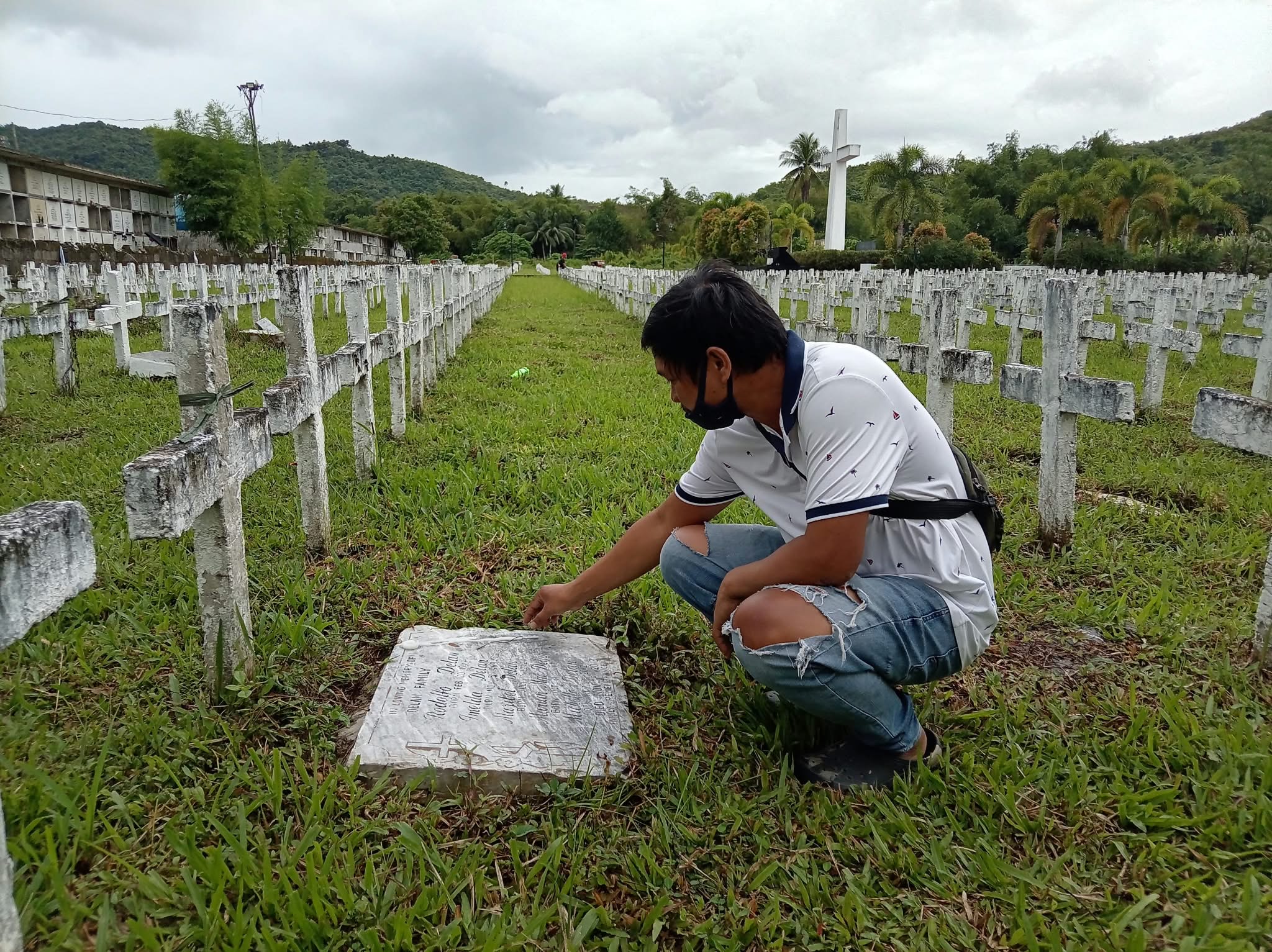

TACLOBAN CITY — More than a decade after Super Typhoon Yolanda devastated this city, families of victims buried in a mass grave at the Holy Cross Memorial Cemetery are hopeful they will finally know the exact resting places of their loved ones through DNA testing conducted by the National Bureau of Investigation (NBI).
While welcoming the development, some survivors said they have already come to terms with their loss and are not necessarily keen on transferring the remains of their relatives to another burial site, preferring to leave them where they were laid to rest shortly after the disaster on Nov. 8, 2013.
The mass grave in Barangay Basper, holds the remains of around 2,200 people who perished when Yolanda’s powerful winds and tsunami-like storm surges devastated Tacloban and other parts of Eastern Visayas.
Article continues after this advertisement
The city government later installed rows of white crosses at the burial site, but many victims remained unidentified.
FEATURED STORIES
NEWSINFO
NEWSINFO
NEWSINFO
Families were allowed to choose burial areas where they believed their loved ones had been laid to rest.
For Marvin Delan, 38, the prospect of finally identifying the burial place of his relatives brings both happiness and a sense of closure.
“Of course, I am happy that finally, we will know that they were buried here, that they are here. But then again, I am already on the acceptance stage,” Delan said in an interview.
Delan lost both his parents, two siblings and a baby niece when the storm surge swept through their home in Barangay 88, San Jose district. He survived by clinging to a tree trunk.
Article continues after this advertisement
Joseph Pica, 47, also welcomed the NBI’s DNA testing initiative, saying it would help his family find peace after years of uncertainty.
Immediately after the typhoon, Pica searched for the bodies of his wife, Luzviminda, who was six months pregnant, and their four-year-old son, Joseph Jr., but failed to find them.
Article continues after this advertisement
“Right after the typhoon, I searched for their bodies but failed to locate them. But with this declaration by the NBI, it’s okay for us,” he said.
Pica said that although families were informed that Yolanda victims had been buried at the Holy Cross Memorial Cemetery, they initially chose not to designate a specific area where they could grieve because they were uncertain about the exact locations of their loved ones.
On Oct. 31, he and his cousins visited the mass grave and lit candles at the designated candle stands, where the names of his wife and son were written alongside those of other victims.
Pica was among the survivors who provided DNA samples for the NBI’s identification process.
Earlier, NBI Regional Director Jeremy Lotoc said the agency would submit to Tacloban Mayor Alfred Romualdez its report on the DNA testing conducted among surviving relatives of Yolanda victims.
“The analysis aims to help surviving families identify specific burial locations of their loved ones buried at the mass grave,” Lotoc said.
The NBI regional director also disclosed that his wife and father were among those buried at the site.
Super Typhoon Yolanda, internationally known as Haiyan, struck the Philippines on Nov. 8, 2013, bringing destructive winds and massive storm surges that devastated communities across the Visayas.
The disaster claimed about 6,300 lives, mostly in Eastern Visayas. Tacloban was its ground zero with more than 2,000 residents killed by the storm and its accompanying storm surges.
Your subscription could not be saved. Please try again.
Your subscription has been successful.
Thirteen years later, the mass grave in Barangay Basper remains a place of remembrance for families who continue to mourn relatives lost during one of the country’s deadliest natural disasters.
KioskNews shows a cleaned-up reading view extracted from the publisher’s page — the original always lives on their site, not ours.