Is Washington misreading Beijing? Decline in US visits to China sparks concern
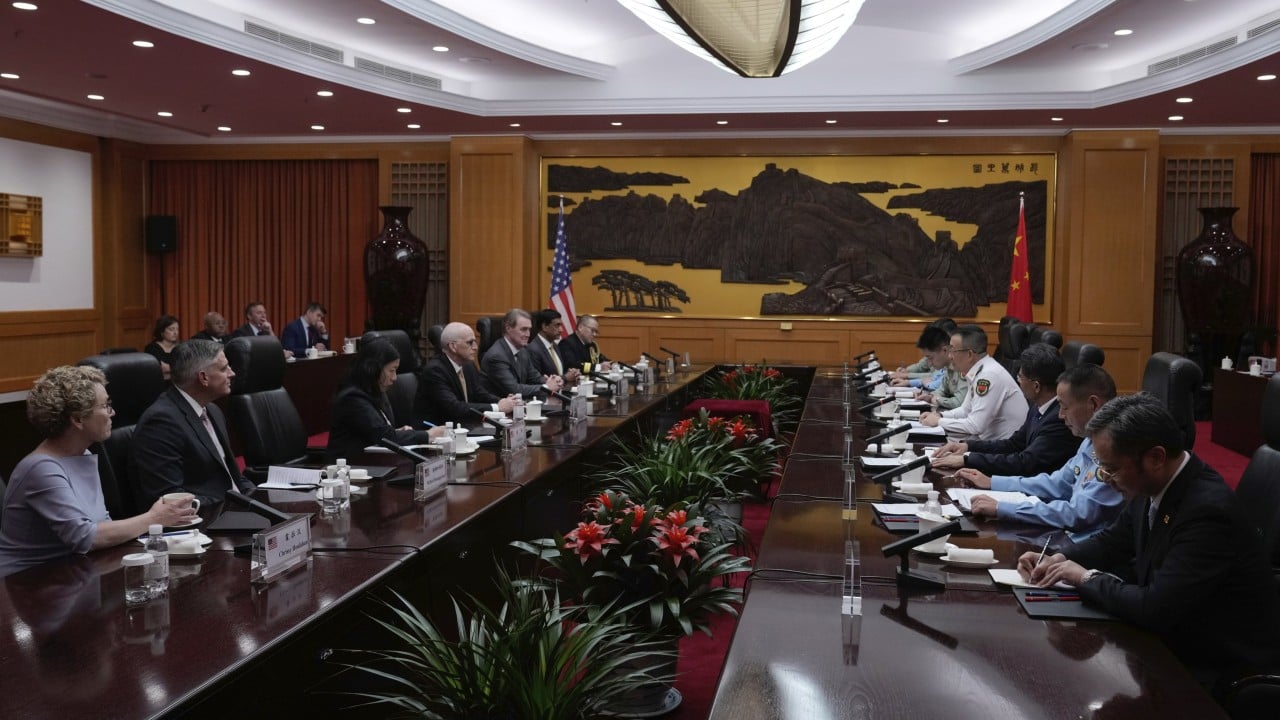
A report issued by the Washington-based Centre for Strategic and International Studies (CSIS) last month documented a sharp decline in congressional delegations to China between 2010 and 2026, a period marked by persistent bilateral tensions.
A separate analysis published by the Council on Foreign Relations (CFR) later in September highlighted a parallel downturn in American students studying in China and the erosion of programmes designed to train future China specialists.
Observers warn that the loss of direct, on-the-ground exposure could threaten America’s ability to assess and engage its primary rival, particularly as China’s strategic importance to US foreign policy continues to grow.
A broad retreat
According to the CSIS report, visits by congressional delegations to mainland China and Hong Kong have fallen since the late 2010s as bilateral relations deteriorated.
Tensions deepened during US President Donald Trump’s first term from 2017 to 2021, marked by a full-blown trade war, intensifying technological rivalry and recurring military stand-offs in the contested South China Sea.
The report showed that visits plunged at the onset of the Covid-19 pandemic and had yet to return to earlier levels.
Congressional travel to Taiwan has also dropped since 2022. The report attributed the decline to lingering fallout from then-House speaker Nancy Pelosi’s 2022 visit to Taipei – which triggered major People’s Liberation Army drills – and subsequent caution in Washington around such delegations to avoid further provoking Beijing.
Beijing sees Taiwan as part of China to be reunited by force if necessary. Most countries, including the United States, do not recognise Taiwan as an independent state, but Washington is opposed to any attempt to take the self-ruled island by force and is committed to supplying it with weapons.
The ripple effects will spread from academia into government, media and business, heightening the risk of miscalculation
CSIS found that only 32 per cent of the 535 sitting US lawmakers had travelled to mainland China, Hong Kong or Taiwan, based on its tracking of congressional delegations between 2010 and 2026.
SCMP Plus is a new premium news platform that gives you an
all-inclusive edge to stay ahead on China news.
To access our exclusive content you’ll need to subscribe.
Already a subscriber?
LOG IN
The report expected that share to shrink further as veteran members left office and newer lawmakers arrived without that first-hand experience.
US Senator Steve Daines is among the few lawmakers who still make such trips. He concluded his most recent visit to China in late August, just weeks ahead of President Xi Jinping’s trip to Washington from September 23 to 25.
After Daines visited artificial intelligence and space firms in China’s tech hub Hangzhou and the southern city of Guangzhou, he told Bloomberg the US risked underestimating “both the quality and the scale of the tech innovation ecosystem in China”.
Isabella McCallum, co-author of the CSIS report, noted that the small 32 per cent share – the 172 current lawmakers who have visited mainland China, Hong Kong or Taiwan – suggested on-the-ground engagement was becoming less common among the people responsible for shaping US policy towards China.
“With less direct experience of China, Congress will become more reliant on second-hand information for one of the country’s most consequential relationships,” McCallum said in an interview.
Meanwhile, lawmakers continued to introduce legislation concerning Beijing, creating a growing gap between how much Congress acted on China and how well its members knew the country, she added.
To Beijing, the concern is not simply that US lawmakers may hold unfavourable views of China. It is that their assessments may be made without enough contact with the people, businesses and institutions affected by their decisions.
Sun Chenghao, a senior fellow at Tsinghua University’s Centre for International Security and Strategy, said limited direct experience could make American policymakers more likely to rely on political labels and a narrow security-focused view of China.
“This could lead them to overestimate certain threats while overlooking opportunities for cooperation,” Sun said.
The decline in congressional visits is part of a wider retreat in exchanges between the two countries.
According to the CSIS report, fewer than 2,000 Americans are estimated to be studying in China, compared with a peak of about 11,000 in 2019.
Likewise, the number of Chinese students enrolled at US universities had continued to fall from its 2019 peak of 372,532 amid tightening visa restrictions and curbs on research exchange, the report said, without stating current figures.
According to the Institute of International Education’s most recent annual survey, nearly 266,000 Chinese students were in the US in 2024.
The drop in academic exchange was also underscored in an analysis released by CFR on September 23.
It highlighted the suspension in China of US government-backed exchange projects, including the Fulbright programme and the Critical Language Scholarship. The author, political scientist Rush Doshi, noted that these programmes had helped to cultivate generations of specialists equipped to study China through its language, society and political institutions.
Meanwhile, some study-abroad programmes at US universities have been halted following a Pentagon directive in August instructing institutions to review relationships with foreign counterparts over national security concerns.
The loss of these opportunities could have consequences beyond universities.
Doshi noted that American government agencies and businesses largely relied on China expertise to interpret China’s actions, from geopolitics and security to trade and supply chains.
“A United States that no longer trains people who can read Chinese primary sources, sit in Chinese classrooms, track policy implementation on the ground, is hardly more secure and is substantially less capable,” he wrote.
Sun said the decline in China expertise could also hurt Beijing, depriving the country of interlocutors who could accurately interpret its intentions.
“In the long run, the ripple effects will spread from academia into government, media and business, heightening the risk of miscalculation and narrowing the scope for cooperation,” he said.
Rebuilding channels
The CSIS report called for renewed congressional travel, arguing that visits could help lawmakers understand how China’s policies and economic decisions affected their constituents.
McCallum said such trips could give Congress members a better understanding of issues they raised with Chinese officials, connecting foreign policy with practical concerns at home.
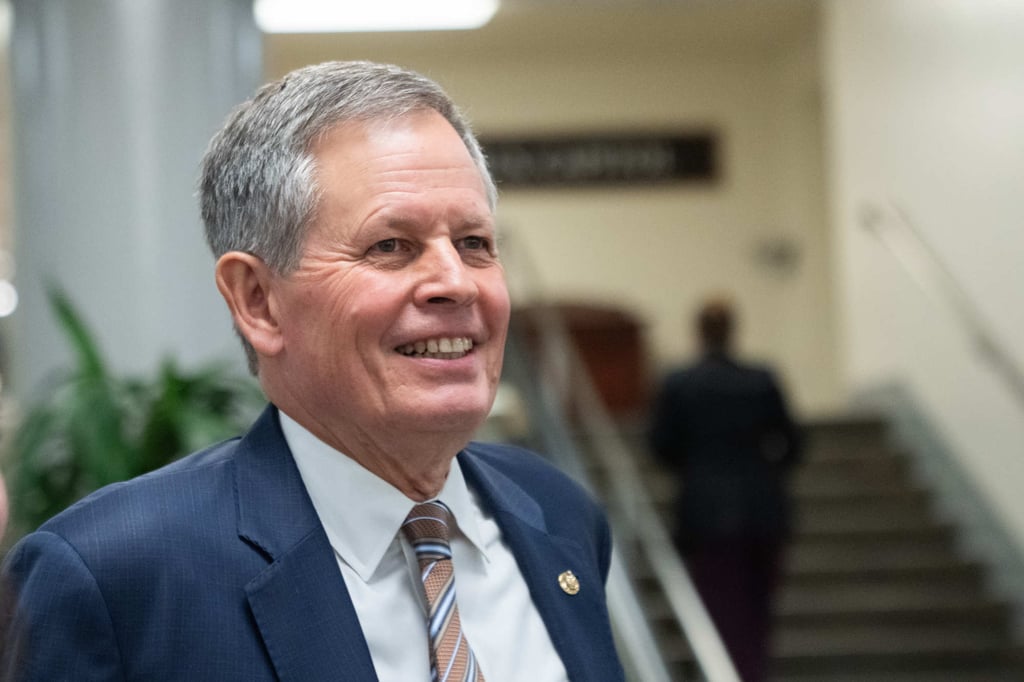
She cited Daines, whose home state of Montana is a major beef producer. Daines has used his visits to press for restored Chinese market access for American beef producers.
But visits must go beyond carefully arranged itineraries showcasing economic development, the CSIS report noted. McCallum said Beijing should allow visitors to have greater access to China’s economy and society, and make room for frank conversations with a range of counterparts.
She also identified Chinese sanctions against US officials as a possible deterrent to congressional travel.
“Sanctions on even a limited number of members can discourage others from travelling,” McCallum said, adding that expanding congressional travel took effort from both sides.
Sun similarly argued that Beijing should ease visits by lawmakers from both parties and chambers of Congress, including their staff.
“Exchanges should directly address constituency concerns, including agriculture, jobs and trade, while establishing follow-up mechanisms to turn single visits into sustained dialogue, preventing communication from snapping whenever the political climate cools,” he said.
The need for sustained, first-hand engagement with China extends beyond Congress to education and academia.
The CFR analysis called for Washington to rebuild funding and institutional support for China studies, while clarifying federal rules so that non-sensitive academic activities, such as language learning, could continue.
The report also urged Washington and Beijing to protect educational programmes from the wider tensions in their relationship.
Diao Daming, a professor in international studies at Renmin University of China, said efforts to strengthen Americans’ first-hand understanding of China would also benefit Beijing.
“They would help both sides develop a clearer, more objective and accurate understanding of each other, deepen their appreciation of the vital importance of stable China-US relations to both countries and the wider world, and ultimately contribute to greater stability in bilateral ties,” he said.
There have been signs of renewed interest in exchanges, but the larger question is whether these efforts can help rebuild American expertise on China.
At his summit with Trump in September, Xi invited 100,000 young Americans to visit China for exchange or study programmes in the coming five years.
The initiative doubles an earlier target announced in 2023 – to bring 50,000 young Americans to China by 2028. Chinese authorities said that target had been reached ahead of schedule.
03:40
Absurd, anxious, concerned: Students react to US revoking Chinese student visas
Diao said the 2023 initiative’s early completion showed strong demand for youth and people-to-people exchanges between the two countries.
“These efforts incrementally build goodwill in a subtle, quiet way,” Diao said. “They lay a solid foundation for people-to-people ties and play a crucial role in stabilising the broader bilateral relationship.”
Sun, while echoing Diao’s view, cautioned that short-term visits alone could not reverse the decline in American expertise on China.
Developing specialists required sustained engagement with the country, rather than brief exposure through organised exchange programmes, Sun noted.
He said visits should be connected to longer-term opportunities, including Chinese-language courses, semester exchanges, graduate study and field research.
Sun added that credit recognition, scholarships and academic supervision could help participants continue their studies after returning home.
KioskNews shows a cleaned-up reading view extracted from the publisher’s page — the original always lives on their site, not ours.