Kenyan doomsday cult leader jailed for 200 years for murdering 191 followers
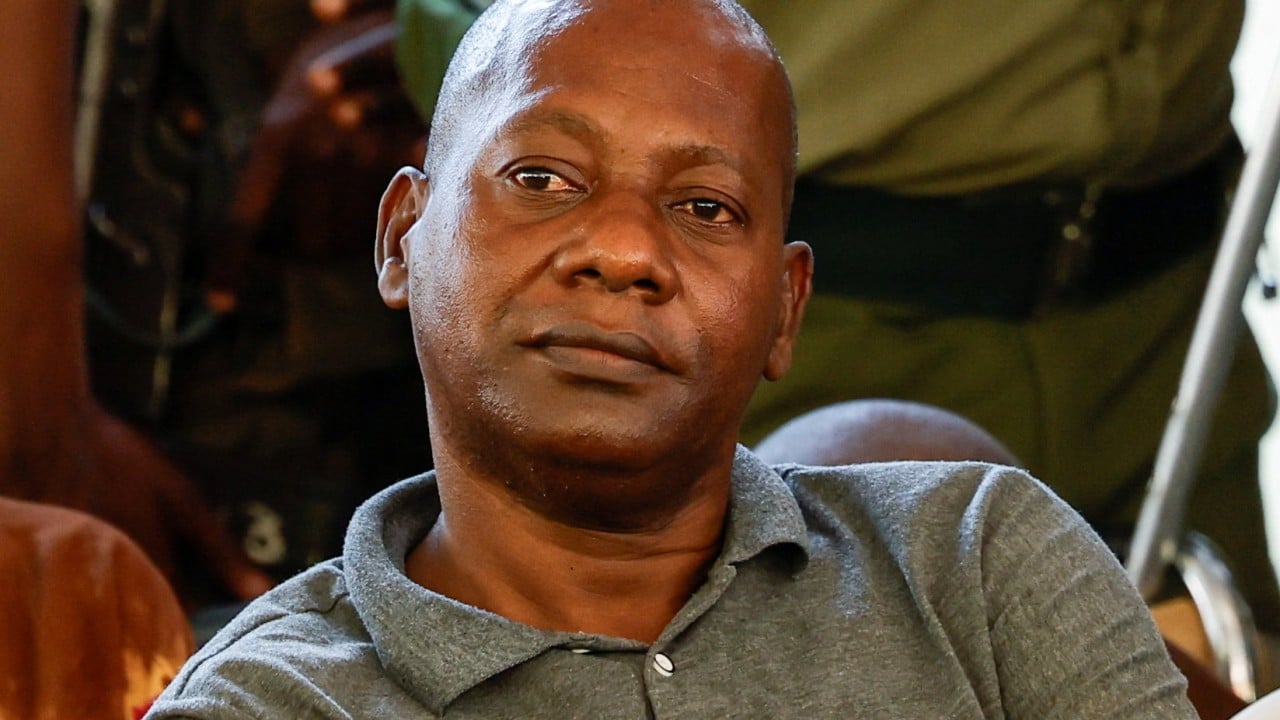
The leader of a Kenyan doomsday cult linked to the deaths of more than 400 people was sentenced on Friday to 200 years in prison for the murders of 191 people.
The High Court in Kenya’s coastal city of Mombasa issued the sentence for Pastor Paul Mackenzie. He was convicted of murdering 190 children and one adult after he ordered his followers to starve themselves to death to meet Jesus.
Justice Diana Kavedza said that Mackenzie, leader of the Good News International Church, bore the “primary criminal culpability” for relocating his followers to a remote location and ordering them to fast to death.
Mackenzie was charged with the murders alongside 28 of his followers, including guards who enforced his fasting directives and gravediggers who helped conceal the mass graves.
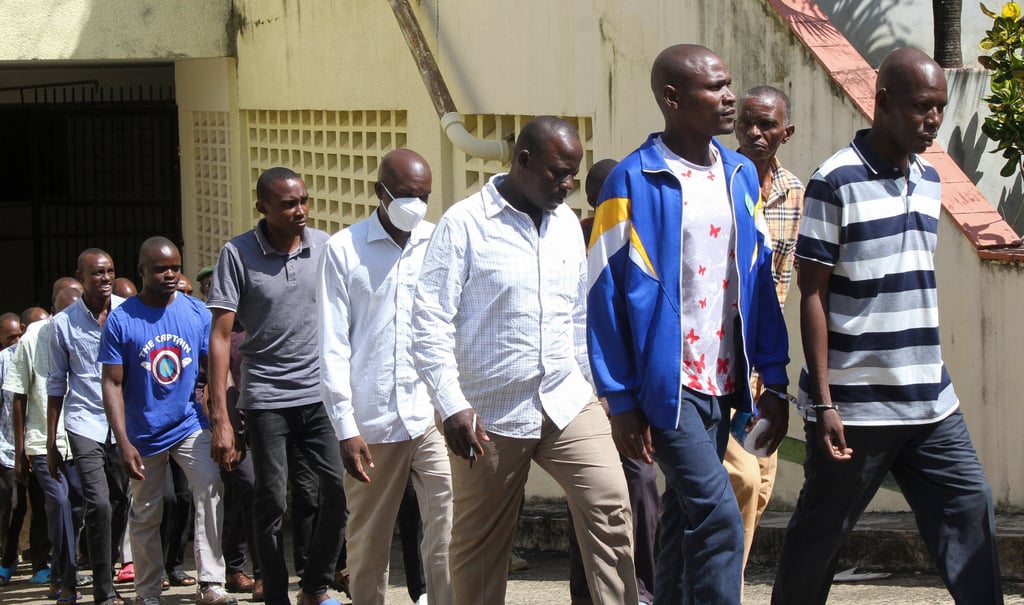
All denied the charges, except for one person who confessed and pleaded for leniency. On October 19, the court found all 29 of the accused guilty of the murder of 191 people.
In 2023, 448 bodies were exhumed from shallow graves on the 320-hectare (800-acre) Chakama Ranch in coastal Kilifi County, where Mackenzie’s followers lived in mud huts, away from the scrutiny of local communities and authorities.
More than 60 were positively identified and reburied by their relatives, while many others remain unidentified and unclaimed.
During the sentencing, Kavedza said that 183 victims died of starvation, defined as a complete lack of food, and the other eight were classified as murders by direct homicide.
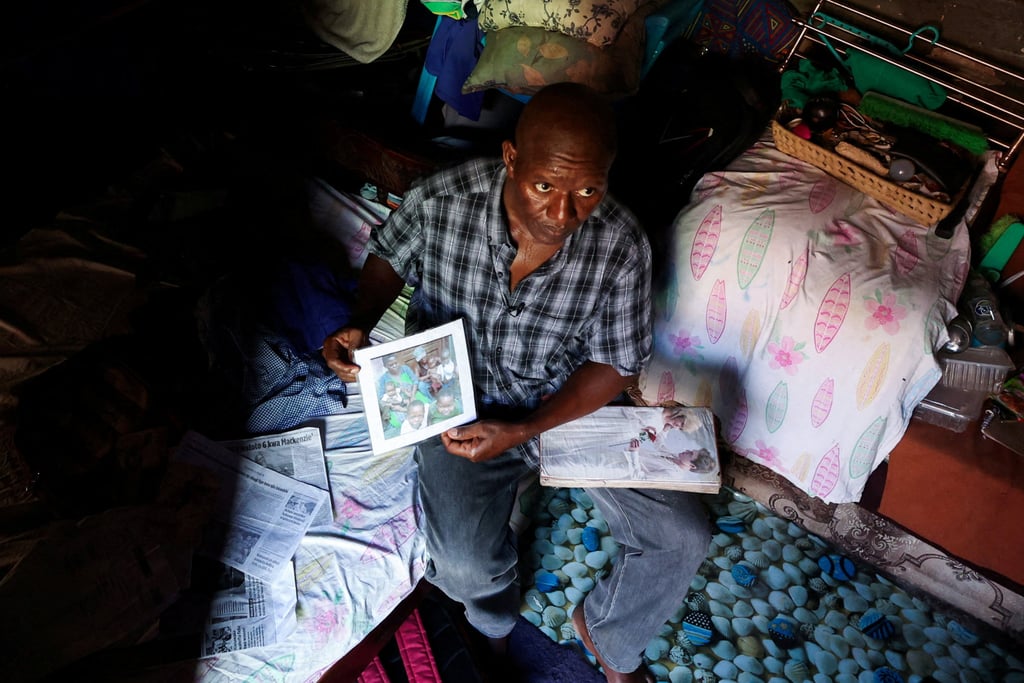
Kavedza said the killings were “cold and calculated” and dismissed claims by some of the accused that the loss of their own children altered the fact that they had taken part in the killings of many other children.
The justice said that the perpetrators did not show remorse and declared they were ready to fast to death as well. During the sentencing, Mackenzie often smiled and chatted with his assistant pastor, Smart Mwakalama, who was sentenced to 160 years in prison.
The prosecution had argued for the death penalty for Mackenzie and life imprisonment for his accomplices. Although Kenya’s law provides for the death penalty, the country has not carried out an execution since 1987.
Mackenzie is also accused of ordering the deaths of 52 people found at a separate location in a village 30km away, bringing the suspected total toll to 500. He has pleaded not guilty in that case.
‘Nothing can ease pain’
Francis Wanje, a 62-year-old teacher who lost two grandchildren, said he had hoped Mackenzie would be sentenced to death to prevent further tragedies.
“Nothing can ease the pain,” said Wanje, who blamed authorities for failing to act swiftly. “I really have great [anger] towards the authorities. If they had taken action, we would not be here today.”
The scale of the killing is comparable to that of a doomsday cult that killed more than 700 people in Uganda in 2000, and the 1978 Jonestown massacre in Guyana when an American cult leader killed more than 900 people by ordering them to drink poison.
Stephen Mwiti, 48, father of six of Mackenzie’s child victims and husband of one of his convicted accomplices, said his wife had taken the children to Shakahola, where they were starved to death.
Even if the adults had agreed to fast, “what about the children?”, Mwiti asked. “I lost children and I will not be able to get them back no matter what happens to Mackenzie and his accomplices. I expect him to be sentenced to death or be jailed for life so that he never comes out to cause more deaths.”
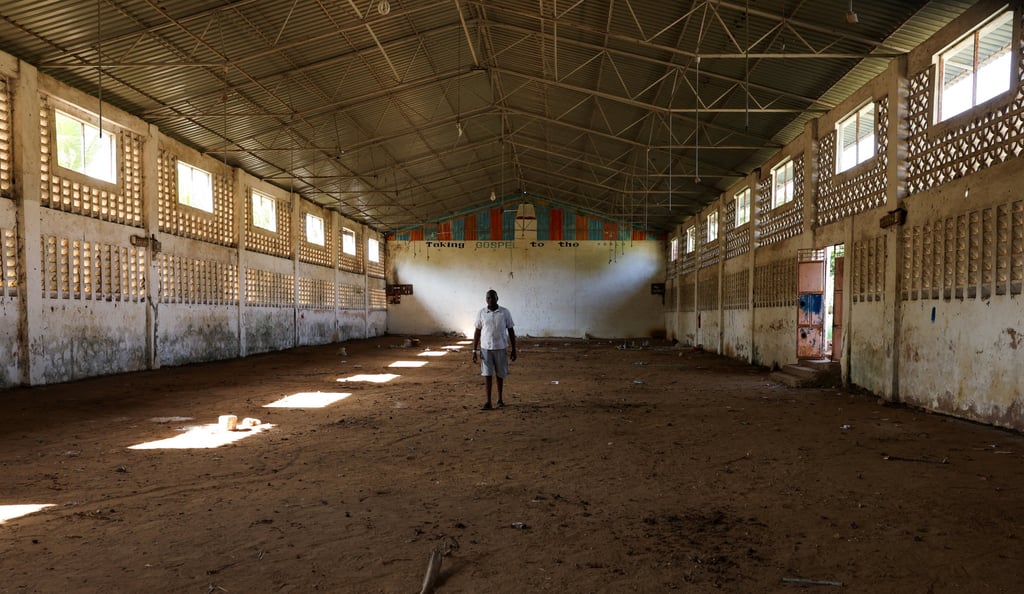
Dan Mackenzie, one of Paul’s sons, said his father did not spare his own family.
“I didn’t end up in Shakahola because I didn’t believe any more about … going to heaven. So I left the church and started doing my own thing,” he said. “I lost friends too, and my younger brother. It’s justice for the people who we lost over there in Shakahola.”
Ojiro Odhiambo, head of rapid response at the Kenya Human Rights Commission, said the conviction was an important step but accountability should go further as local administrators, police, intelligence officers and religious leaders bore responsibility for failing to act on repeated warning signs.
KioskNews shows a cleaned-up reading view extracted from the publisher’s page — the original always lives on their site, not ours.