Genetic testing subsidies for hereditary breast, ovarian cancer to start on Dec 1
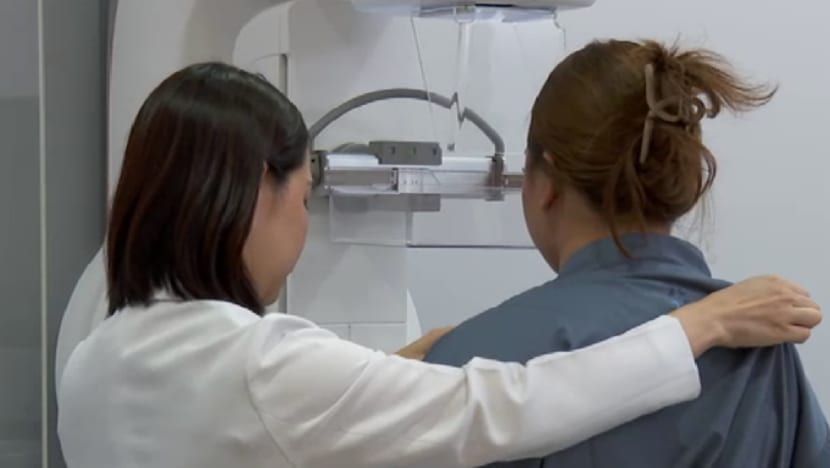
About 2,000 people are expected to benefit each year, with doctors saying the subsidies could help more families identify hereditary risks early and take preventive action.
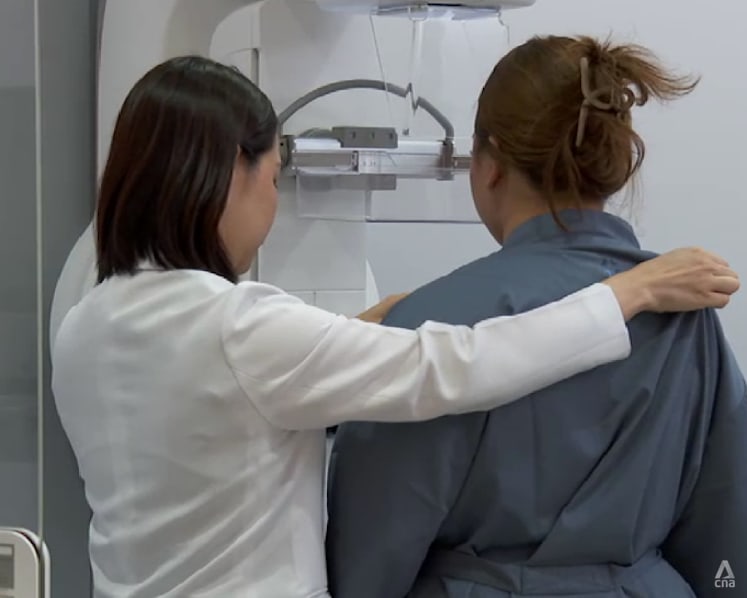
A patient prepares to undergo a breast mammogram. (Image: CNA)
New: You can now listen to articles.

This audio is generated by an AI tool.

06 Nov 2026 03:07PM
SINGAPORE: When Ms Norain Mohamad Saleh was diagnosed with breast cancer at 37, she underwent genetic testing that revealed she carries a hereditary gene mutation linked to a higher risk of cancer.
The results helped her younger sister better understand her own risk of developing cancer and take steps towards early detection and preventive care.
From Dec 1, such testing will become more affordable, with eligible patients receiving subsidies of up to 70 per cent for hereditary breast and ovarian cancer (HBOC) genetic testing.
First announced by the Ministry of Health (MOH) in March, the subsidies will be available at specialist outpatient clinics at the National Cancer Centre Singapore (NCCS), National University Cancer Institute Singapore and Tan Tock Seng Hospital.
MOH estimates that about 2,000 people could benefit each year from the subsidised genetic testing.
The test costs about S$1,000 (US$782) before subsidies, with patients who have sufficient MediSave balances able to use them to cover the remaining costs.
The subsidies will also cover genetic testing for first-degree relatives, such as the parents, siblings and children of those carrying hereditary cancer-linked mutations. This is known as cascade testing.
CANCER RISK FOR THREE SISTERS
The discovery of the gene mutation following her breast cancer diagnosis in 2023 prompted Ms Norain to encourage her two sisters to undergo testing.
Both subsequently tested positive for the mutation.
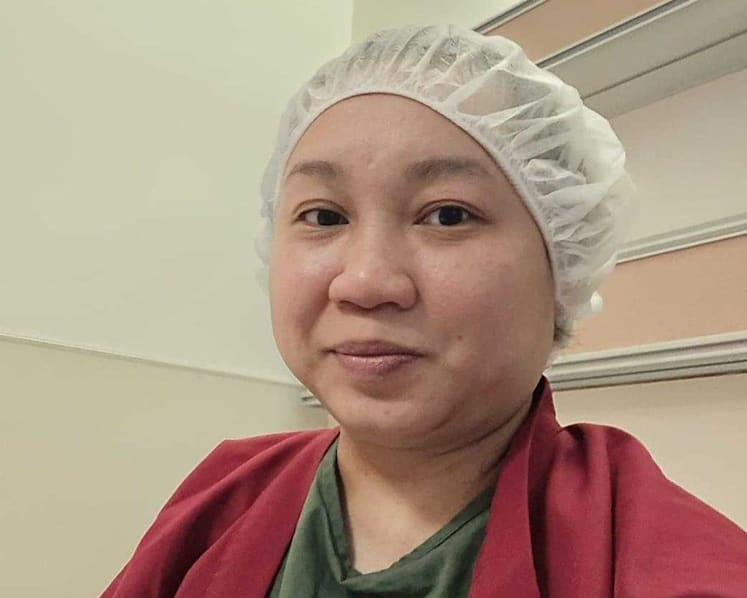
Ms Norain’s older sister, Siti Salamah Mohamad Saleh, 46, had already been diagnosed with early-onset breast cancer at 43, before the cascade test.
Their youngest sister, Norashikin Mohamad Saleh, 36, however, has never had the disease.
But knowing she carries the same mutation has left Ms Norashikin worried about her own cancer risk.
“It's like a ticking time bomb to me. I have the mutations, but when is it gonna occur?” she asked.
“I am also scared for myself.”
She is now undergoing regular medical surveillance to detect any early signs of cancer, including keeping up with yearly tests and performing breast self-checks at home.

“Cancer runs in our family, so we must find time to get the answer ourselves,” said Ms Norain.
“This was the best opportunity where I could tell them let's do genetic (testing) together. So at least … you can take charge of your health."
Ms Norain said genetic testing experience involved taking a blood test, with results available after about a month.
Doctors would then discuss possible preventative measures with patients based on their results.
Ms Norain underwent surgery on her cancer-affected breast in 2023, before undergoing a preventive mastectomy of her other breast in 2025.
She is also undergoing closer medical surveillance for other cancers associated with the gene mutation.
WHY GENETIC TESTING MATTERS
About one in 150 Singaporeans carries a gene mutation linked to HBOC, with women carrying such mutations facing a five- to 10-fold higher lifetime risk of developing these cancers.
Identifying mutations in genes such as BRCA1 and BRCA2 – the genes that are most responsible for a strong family history of HBOC – could help family members better understand their own cancer risks, said associate professor Joanne Ngeow, head for cancer genetics service at NCCS.
“They can be alerted ahead of time in terms of what caused the cancer in their relatives, and then what steps they can take for themselves in terms of preventative measures,” said Assoc Prof Ngeow.
Preventive measures could include earlier breast cancer screenings such as MRI scans and breast mammograms, or risk-reducing surgery, she added.
She also welcomed the subsidies, saying previous studies had identified cost as one of the biggest barriers to genetic testing.
"When there is a cost to a test, we have unintended consequences,” she said, pointing out that patients who can afford the test would have the information and ability to undertake preventive measures, whereas those who are unable to afford it would be left out.
“So, by having these subsidies, we ensure that there is no disparity in terms of access to the testing and the downstream care. So, this is incredibly welcome."
However, she stressed that more public education is needed to help families understand the importance of testing and to better navigate the healthcare system.
She added that the next step would be to make the subsidies more accessible, including helping people understand who qualifies and how to access them.
KioskNews shows a cleaned-up reading view extracted from the publisher’s page — the original always lives on their site, not ours.