TCM or Western medicine for sports injuries? Why this Hong Kong athlete chose both
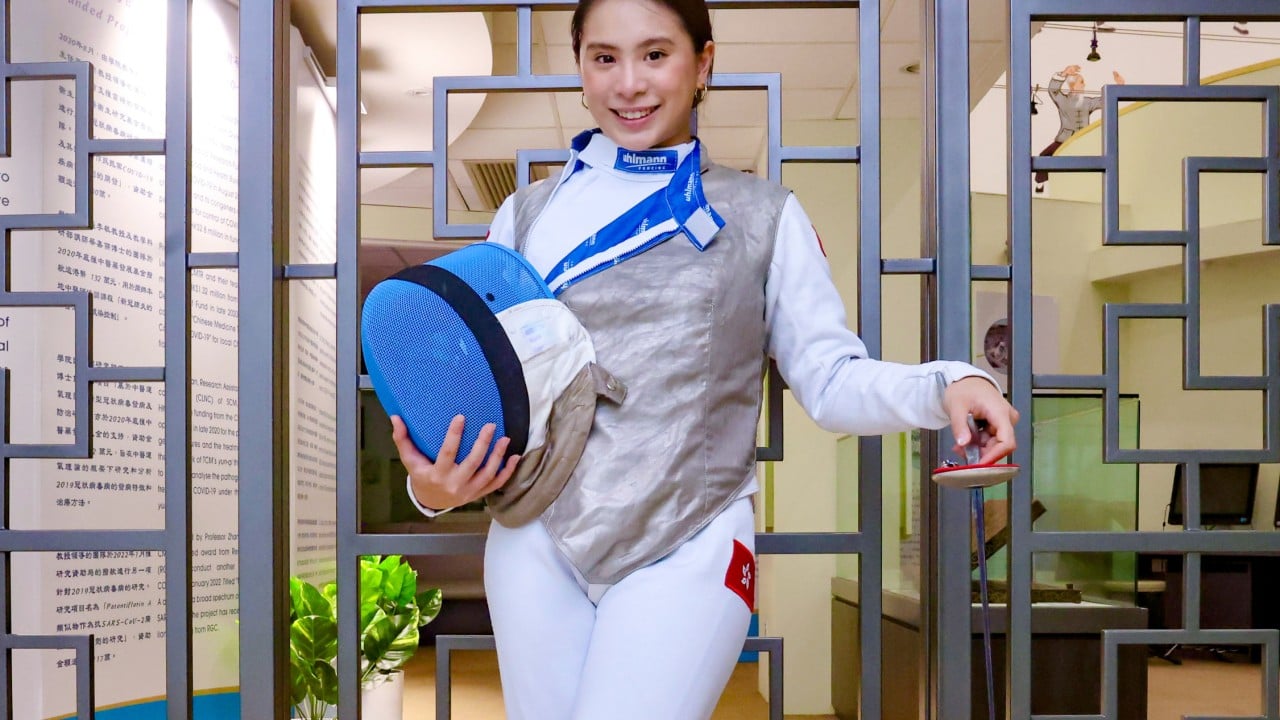
In the third instalment of a four-part Health Matters series on traditional Chinese medicine, Aidyn Fitzpatrick speaks to a Hong Kong fencer studying TCM and local practitioners to see how athletes, both elite and amateur, are using TCM alongside Western medicine for smarter injury recovery.
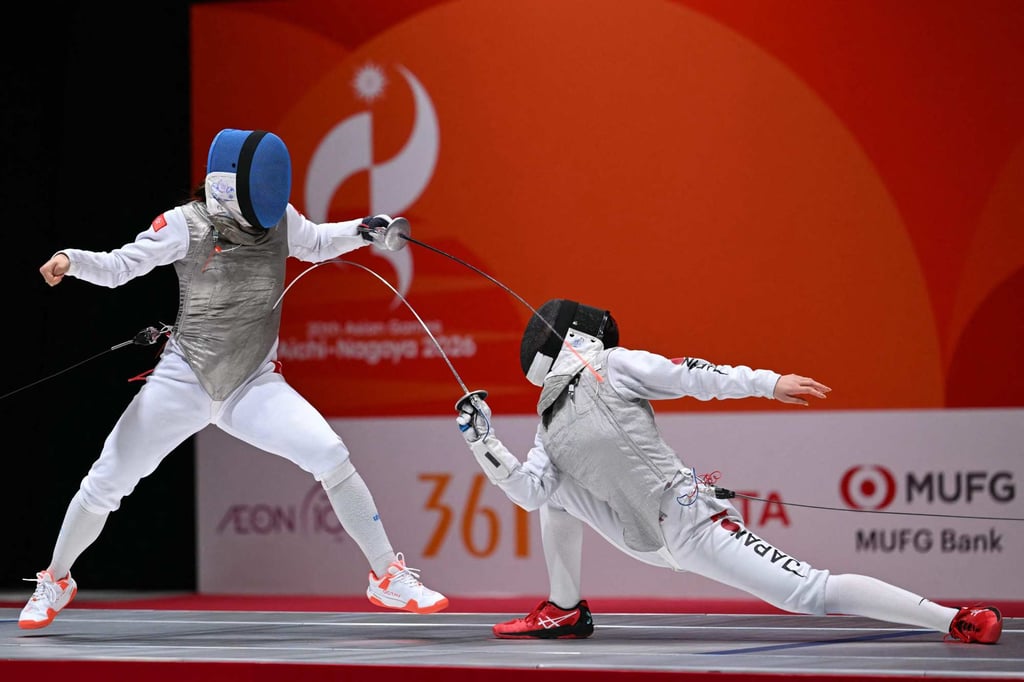
Fresh off helping Hong Kong clinch a bronze medal in the women’s foil team event at the 2026 Asian Games in Japan, fencer Janelle Leung Ya-lei – ranked 53rd in the world – knows the fine margin between peak performance and high-stakes injury.
In April 2026, she sustained a partial tear to her ankle ligament, just seven days before the Cairo Foil World Cup.
Away from Hong Kong and with limited access to her regular medical team, Leung looked to her Chinese medicine knowledge from her ongoing studies at Baptist University, where she was admitted to the Bachelor of Chinese Medicine and Bachelor of Science in Biomedical Science programme in 2023.
Each night after training, the 21-year-old chose to treat a few acupuncture points that stimulate the ankle for better blood flow and reduce swelling and pain.
“It helped with my recovery a lot,” she says, “allowing me to train right before the competition and get into the main rounds.”
A marriage of East and West
In a cross-cultural city like Hong Kong, when a runner rolls an ankle on a trail, or a gym-goer develops a stubborn shoulder – or a star fencer sustains an injury far from home – the question is rarely whether to choose Chinese or Western medicine. More often, it is how to use both.
Dr Cheung Yung, a traditional Chinese medicine (TCM) practitioner, sees a broad range of the city’s active population. Runners most commonly arrive with sprained ankles and torn calf muscles, he says. Hikers and trail runners complain of Achilles pain. Pickleball, padel and tennis players, whose sports demand abrupt stopping and starting on hard courts, often bring knee complaints.
Cheung separates these presentations into two broad groups: accident or accumulation. The former includes a lateral ligament sprain after a misstep, or a calf tear after an underprepared muscle is used abruptly. The latter comprises injuries as a result of repetition – elbow tendinopathy that causes pain and forearm weakness, for example, or golf-related low back trouble.
In assessing an injury, he uses the classical Chinese medicine framework of looking, listening, asking and feeling, alongside palpation of the affected area. He also screens for factors including metal allergies, blood-thinning medication and blood disorders that may make acupuncture unsuitable. Patients’ X-rays and other imaging can help refine the picture.
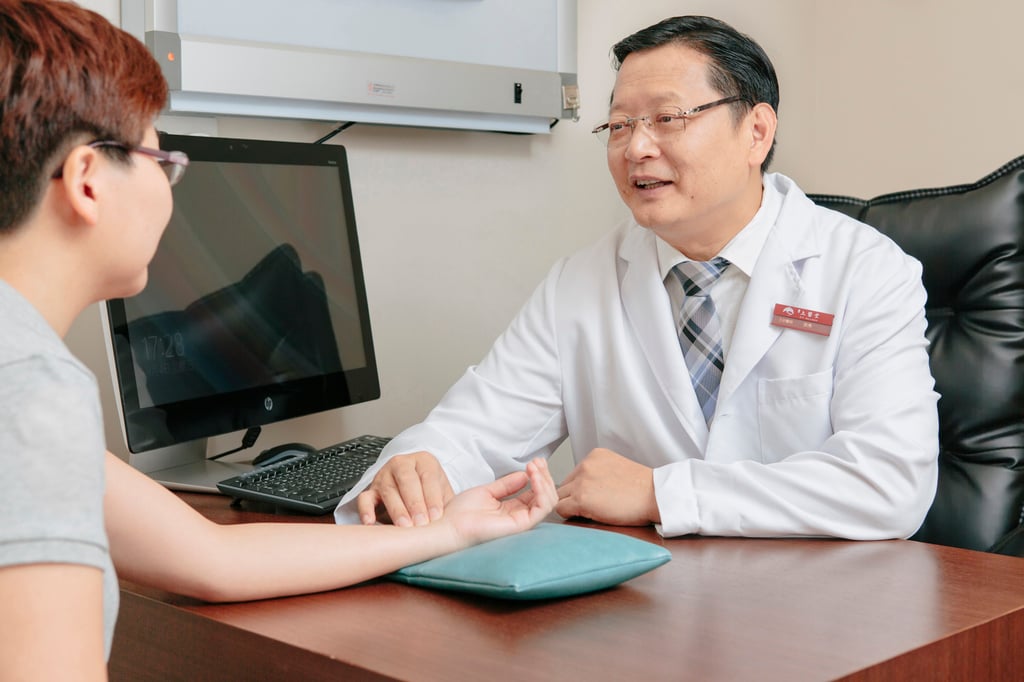
But his clearest advice is also the most conventional: if an athlete cannot bear weight, has dramatic swelling, or has serious pain, the hospital comes first.
“A break or a full rupture is a surgeon’s problem, and no amount of needling changes that,” he says.
‘The same diagnosis, the same goals and the same recovery plan’
That blend of clinical need and cultural familiarity shapes athletes’ choices in Hong Kong. Many “tend to first seek help or advice from a Western medicine doctor to get a referral to physiotherapy or an X-ray,” says Dr Hon Sze-sze, a senior lecturer in sports management at Baptist University. Insurance requirements can play a part, she adds, but so can prior experience: “I have seen athletes who have tremendous faith in Chinese bonesetters.”
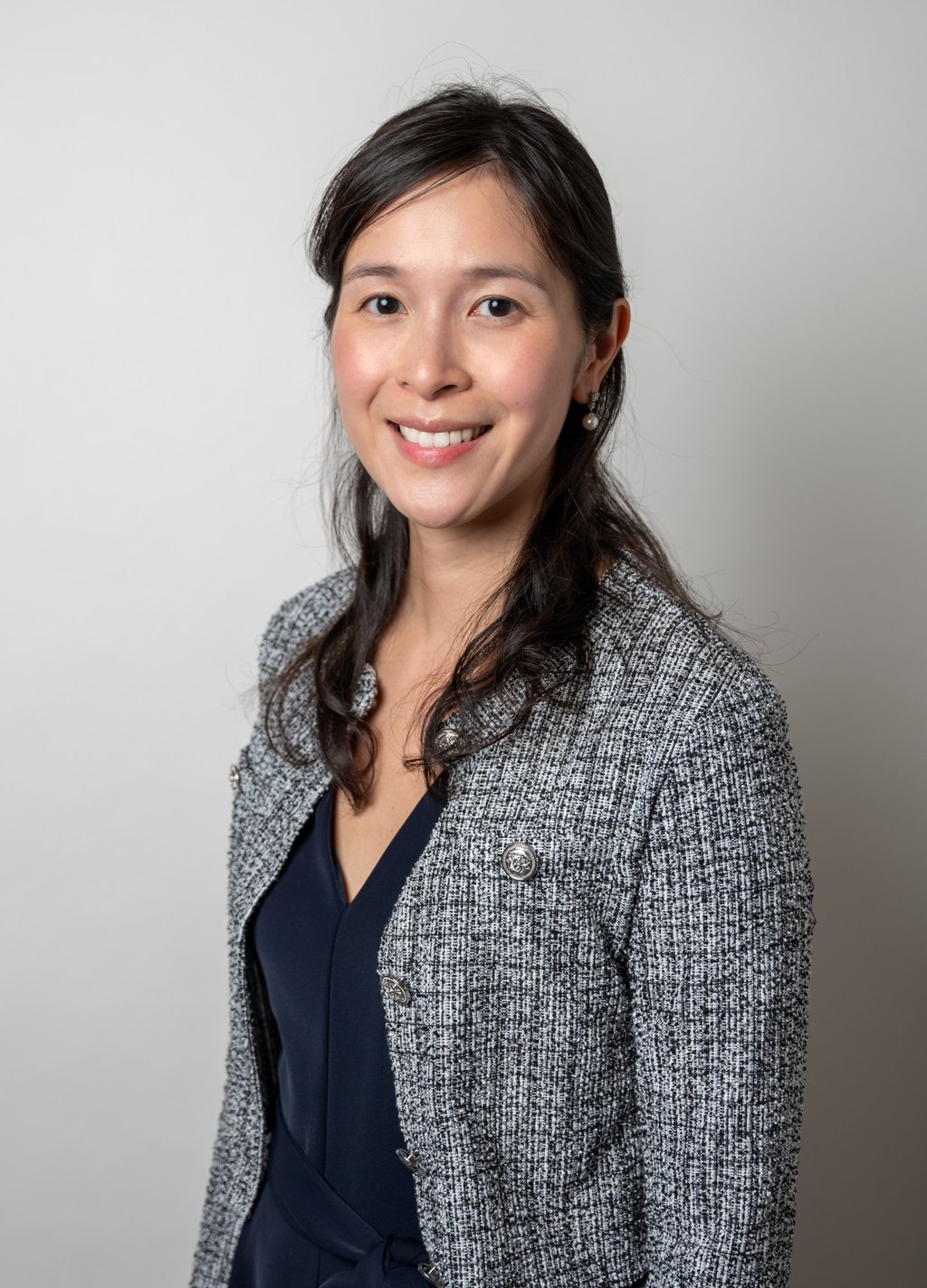
At the same time, “The best integrated care is not multiple practitioners working separately,” says Professor Amy Ng Pui-pui, clinical assistant professor and co-deputy director of the Master of Community Health Care programme at the University of Hong Kong. “It’s multiple practitioners working from the same diagnosis, the same goals and the same recovery plan.”
A family doctor helps establish the diagnosis, spot red flags and arrange imaging or specialist input. Physiotherapists lead exercise-based rehabilitation. A Chinese medicine practitioner may help with managing symptoms.
For athletes, having many experts working together can guard against a seductive but risky equation: less pain equals “healed”. It does not. Ng says recreational athletes commonly go to one of two extremes after injury: they push through pain and return too early, or stop moving altogether. For most musculoskeletal injuries, neither is ideal.
“Return-to-sport decisions should be guided by objective measures such as strength, function, movement quality and sport-specific testing,” she says.
Cheung makes the same point at his clinic. For an uncomplicated soft-tissue injury, he looks for reduced swelling and bruising, less pain and restored joint movement. Yet he advises patients to wait another two weeks after those signs have disappeared before returning to sport, because the tissue is still rebuilding. “Pain-free is not the same as ready to train,” he says.
The point is especially salient for athletes who feel pressure to resume training quickly, whether for a race, league fixture – or global competition.
Once Leung was back in Hong Kong, physiotherapy at the Hong Kong Sports Institute became essential in order for her to target her ankle and progressively regain strength before she was ready to return to the rigours of fencing.
She describes the relationship between the two healing conventions as “mutualism”. Western sports medicine handles the structure of an injury – using X-rays or MRI, then progressively strengthening the injured area. TCM, she believes, can support pain and swelling management and the quality of recovery.
“The real challenge to each athlete post recovery isn’t ‘Can I return to the field?’,” she says, “but ‘Can I fence at the same quality and intensity consistently without burning out or getting injured easily again?’”
The evidence broadly supports her experience. Acupuncture has its strongest case as an adjunct for pain and symptom relief, particularly when discomfort prevents someone from taking part fully in rehabilitation.
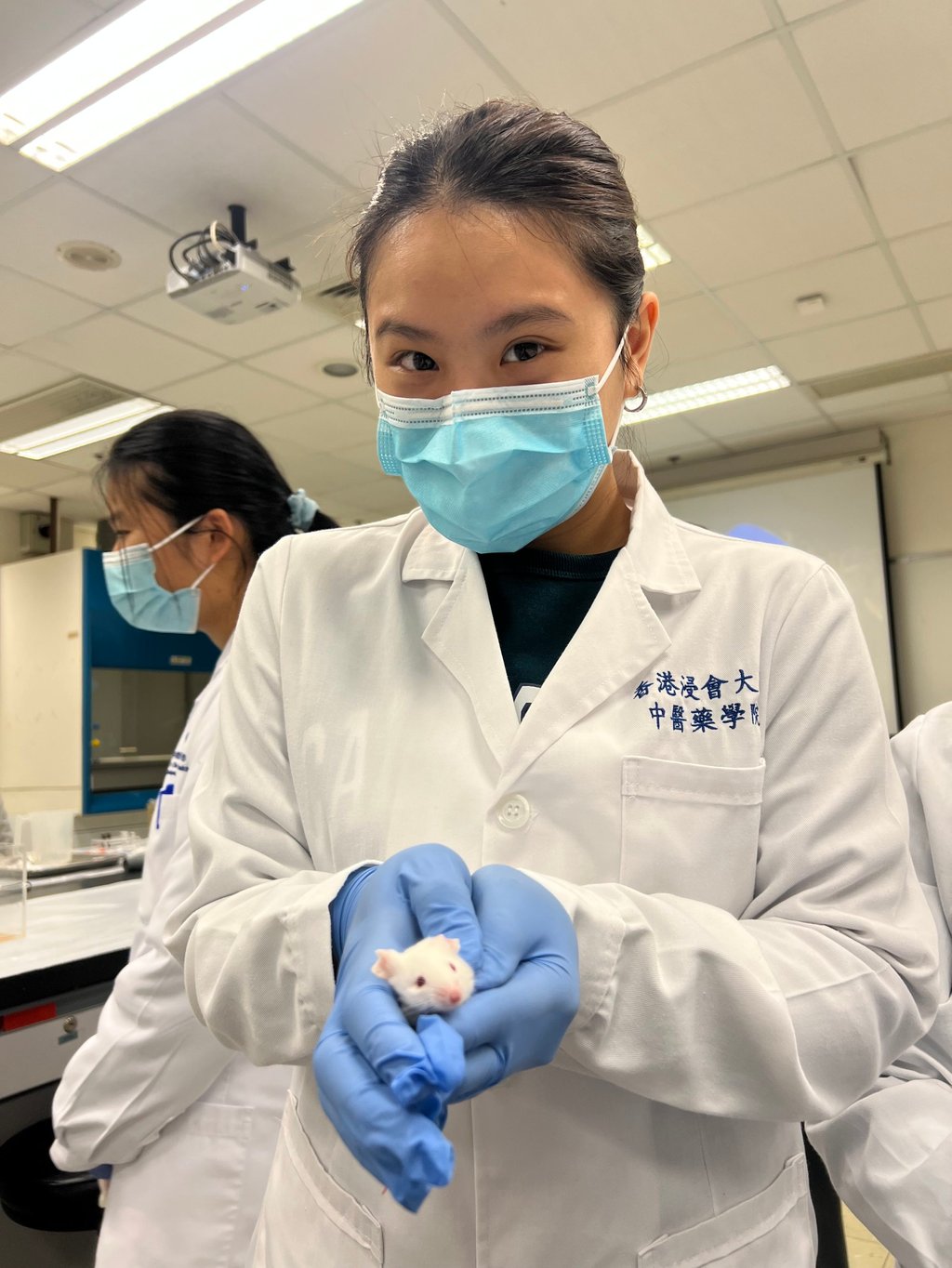
Major pooled studies confirm acupuncture outperforms both standard care and placebo treatments for persistent joint and muscle pain, though its effectiveness varies depending on the specific injury. Clinical reviews also show promising results for acute ankle sprains and tennis elbow, even if researchers note limitations.
Troy Sing, a Chinese medicine practitioner and former Hong Kong rugby player, puts the limits plainly: “Acupuncture does not strengthen or stretch muscles, and it does not suture ligaments or tendons,” he says.
Sing refers patients for conventional assessment when needed and tracks progress with pain scores, range of motion and clinical findings. That approach captures TCM’s sensible role in a sports-recovery programme: symptom relief that enables movement and rehabilitation, not symptom relief that licenses a premature return.
When movement is the best medicine
For certain overuse conditions, exercise is the treatment. Structured tendon-loading programmes are first-line care for Achilles tendinopathy – a condition that can cause pain, stiffness and swelling of the Achilles tendon connecting the calf muscle to the heel.
Physiotherapy is also indispensable where technique, posture or training errors must change. Chinese therapeutic massage may have a role after acute inflammation subsides, and mind-body movement practices can be helpful in longer term pain management.
Cheung prescribes lin gung – combining qigong, joint mobility, muscle work and breathing – for chronic symptoms, and suggests qigong as a warm-up before more demanding exercise. Trials of tai chi and reviews of qigong and related mind-body exercise point to potential benefits for chronic musculoskeletal pain and function, particularly in the spine and knee, though they should not be presented as substitutes for diagnosis or individually tailored rehabilitation.
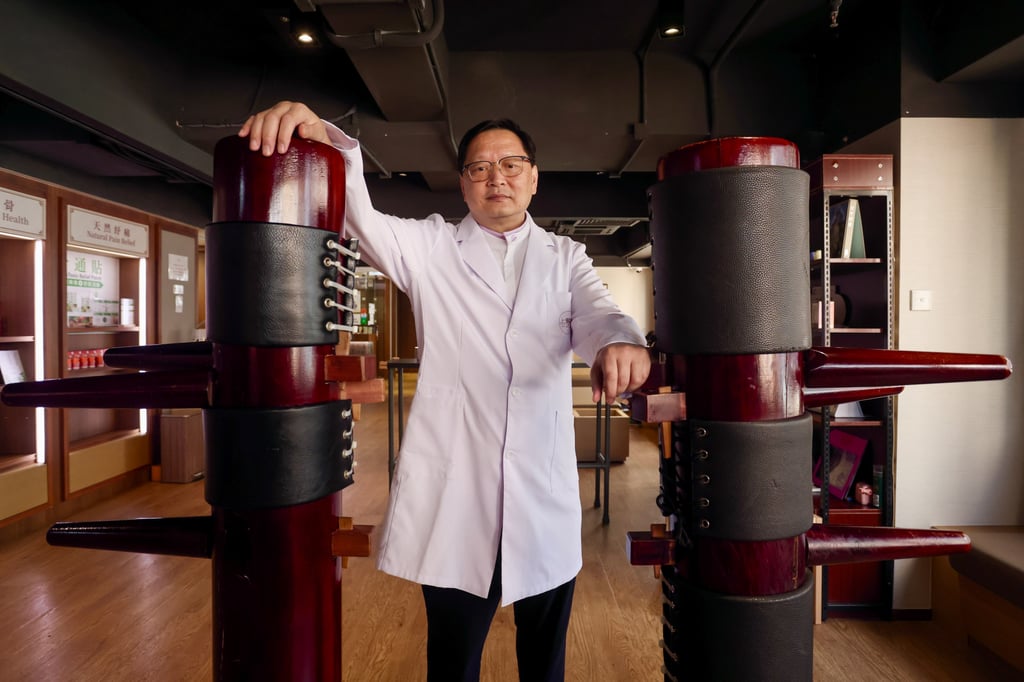
At the same time, not every popular recovery trend is backed by strong data. Cheung is cautious about cupping and uses it sparingly in his clinic. Large-scale reviews evaluating cupping in both amateur and elite athletes found the evidence supporting its performance and recovery benefits remains weak and low-quality.
He also sounds a warning about topical muscle rubs. Products containing methyl salicylate, or wintergreen oil, can deliver an aspirin-like drug through the skin. Used sparingly over a small area, they are generally safe, but large amounts, use over extensive areas or broken skin, wrapping, heat and exercise can raise systemic exposure. Athletes should disclose medications, supplements and herbs to every practitioner involved in their care, he says, and should not assume “natural” means risk-free.
Hong Kong’s sport-for-all ambitions make the joint use of TCM and Western medicine increasingly relevant beyond elite squads.
“A good support network would include an understanding coach, a caring but firm fitness trainer, a medical practitioner who understands the sport’s demands and a lot of patience and discipline from the athlete,” HKBU’s Hon says.
In other words, for the city’s runners, weekend footballers, hikers, gym regulars – and star fencers – using TCM in recovery is ultimately not a choice between needles and physio.
“Chinese medicine and Western medicine balance each other out,” Leung says, “making the whole medical field more complete through playing different roles during the recovery process.”
At the same time, there is a sequence to follow: diagnose properly, rule out structural damage, manage pain safely, rebuild capacity, then test the movements the sport actually requires. TCM can have a valued place within that sequence – but don’t be tempted to skip the sequence entirely.
Like what you read? Follow SCMP Lifestyle on Instagram. You can also sign up for our eNewsletter here.
KioskNews shows a cleaned-up reading view extracted from the publisher’s page — the original always lives on their site, not ours.