Rate hike unlikely to significantly hit asset quality, says Indian Bank MD
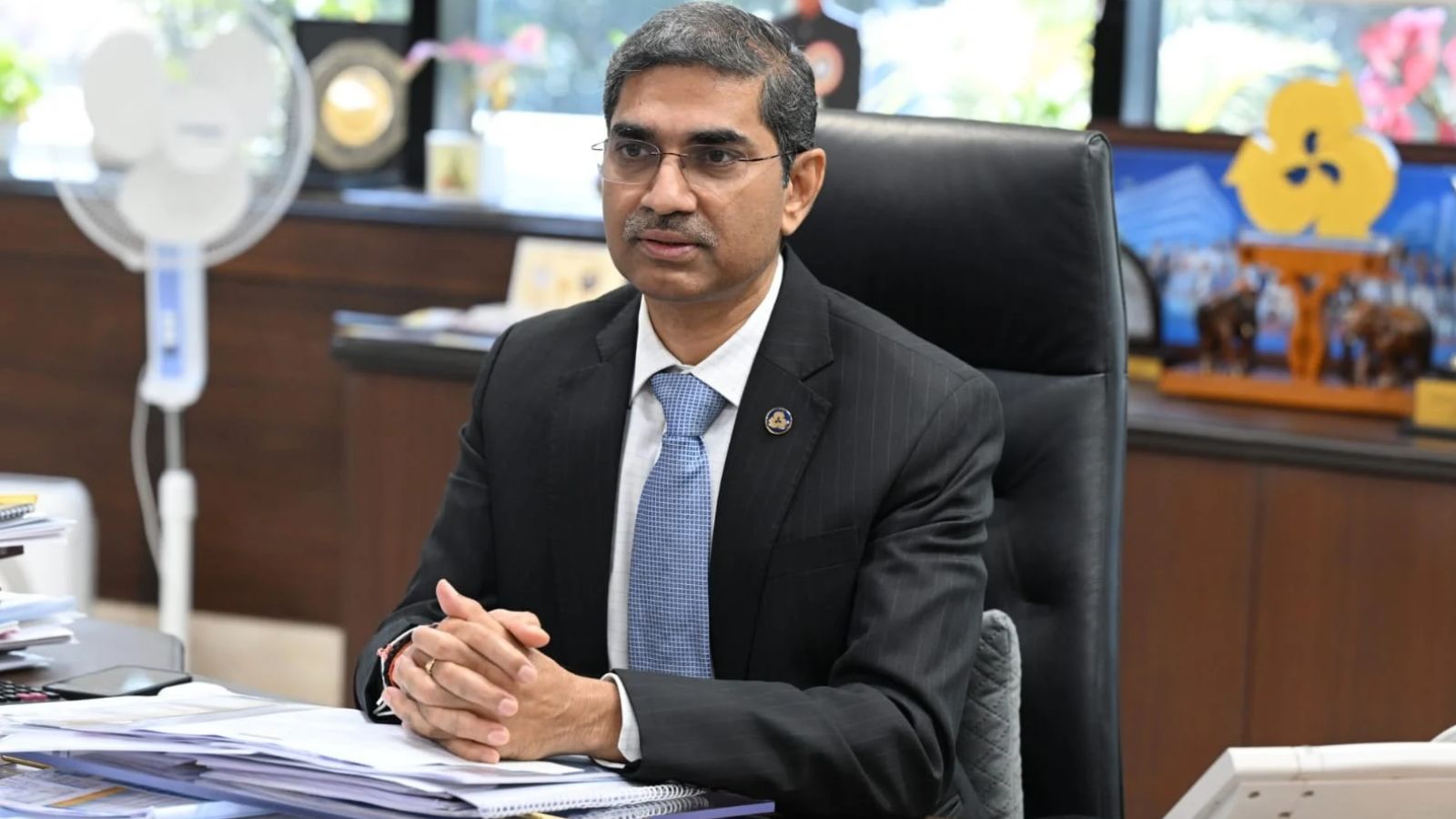
Indian Bank Managing Director (MD) and Chief Executive Officer (CEO) Binod Kumar expects the bank to sustain the growth momentum, maintain profitability and keep asset quality stable in the coming quarters, even as intense competition for deposits puts pressure on banks.
In an interview with The Indian Express, Kumar discussed credit growth, the outlook for interest rates following the Reserve Bank of India’s (RBI) 25-basis-point (bps) repo rate hike, corporate lending, gold loans, technology investments, and the impact of artificial intelligence (AI) on banking jobs. Edited excerpts:
The RBI has increased the repo rate by 25 basis points. Do you expect interest rates to rise further?
It will depend on several factors, primarily inflation. Both consumer inflation and wholesale price inflation have been elevated. We also need to consider the relationship between Indian interest rates and US Treasury yields. Interest rates will depend on how these indicators evolve and on the policy decisions taken in the coming months.
Will higher interest rates affect asset quality?
I do not expect asset quality to be affected significantly. There could be some pressure on a section of retail borrowers whose equated monthly instalments (EMIs) are already at their maximum affordable levels. However, banks may be able to extend loan tenures or reset repayment schedules. I do not see interest rate movements significantly affecting overall asset quality.
What is your credit growth target for the current financial year, and which sectors will drive lending?
Credit growth has been running at around 18-19%, but my comfort zone is 14-15%. Retail credit should grow by 15-17%, while corporate lending is expected to grow in the lower double digits. Housing and mortgage loans are growing strongly, at around 28-30%, although the base is relatively small.
Story continues below this ad
Corporate credit growth has been relatively subdued. Is it because project investment demand is weak?
There is good demand for corporate credit. However, I am cautious about lending at very low interest rates. If a bank raises resources at around 6.5% and lends for 15 years at 7.5%, it has to factor in operating costs and other expenses. Such lending may not be attractive. There is good demand for projects relating to green energy and data centres, and I expect more power projects to come up.
Deposit mobilisation remains a challenge for banks. How are you managing the gap between deposit and credit growth?
This is the most difficult challenge for bank managing directors today. Mobilising resources, particularly CASA (current account and savings account) deposits, has become increasingly difficult. Fortunately, we have managed the gap between deposit and credit growth at around 1-1.5 percentage points in most periods. Banks also have to ensure that their credit-deposit ratios remain within manageable limits.
Story continues below this ad
Deposit pressure exists, but we have been able to maintain our net interest margin because of our portfolio mix. Higher lending rates could also support margins, potentially improving them by around six basis points.
Are you confident of expanding retail lending without compromising asset quality?
Yes. I do not see any significant stress building up in the retail portfolio. Our special-mention account (SMA) book has declined sequentially from 4.79% to 4.19%. Any emerging stress would generally begin to show up in the early-warning indicators.
How is the gold loan portfolio performing? What is driving its growth?
Story continues below this ad
Our gold loan book is around Rs 1.4 lakh crore. The sharp increase in gold prices has contributed to growth in the value of loans. For the same quantity of gold, borrowers can now obtain a larger loan than they could earlier. However, gold loans are primarily need-based. People generally pledge gold to meet financial requirements rather than for speculative purposes.
Do you need to raise additional capital from the market?
Our capital adequacy ratio is 16.21%. With profits being ploughed back, it could rise to around 17.5%. We do not have an immediate capital requirement. However, a Tier-II bond is due for redemption in January, and we may consider raising around Rs 2,000 crore if market rates are favourable.
How much is Indian Bank investing in technology, and what role will AI play?
Story continues below this ad
Our technology expenditure is around Rs 2,000 crore, and the budget for this year is approximately Rs 2,300 crore. We are implementing AI to improve customer convenience, service quality, systems and processes. We are also incorporating AI into certain products, including models for MSME lending, and taking initiatives in data management and customer relationship management.
Will AI lead to job losses in the banking sector?
I believe the nature of jobs will change, rather than jobs disappearing. AI will also require people to develop, manage and operate these systems. New opportunities and jobs could emerge in areas that we may not have considered earlier. We are training our employees to prepare them for these changes.
How do you assess the bank’s performance in the second quarter, and what is the outlook for the third quarter?
Story continues below this ad
The bank’s performance is in line with our guidance. Deposits grew by 12.5%, while credit growth was 16.39%. CASA deposits grew by 13.77%, higher than overall deposit growth. Credit growth has been broad-based, with retail growing by 17%, MSME by 19% and agriculture by 17%. Corporate credit grew by 9.92%, compared with 2-3% earlier. Our net interest income grew by 18%. Asset quality also improved, with gross NPAs declining to 1.61% and net NPAs to 0.14%. We expect similar performance in the third quarter, with growth in the 12-14% range, while maintaining profitability and asset quality.
KioskNews shows a cleaned-up reading view extracted from the publisher’s page — the original always lives on their site, not ours.