Condors get the ‘zoomies’ too
Nothing is quite as joyful as watching a dog get caught up in a bout of “zoomies,” zipping around a living room or backyard in a burst of energy. But our canine pals aren’t the only animals subject to these hyperactive displays.
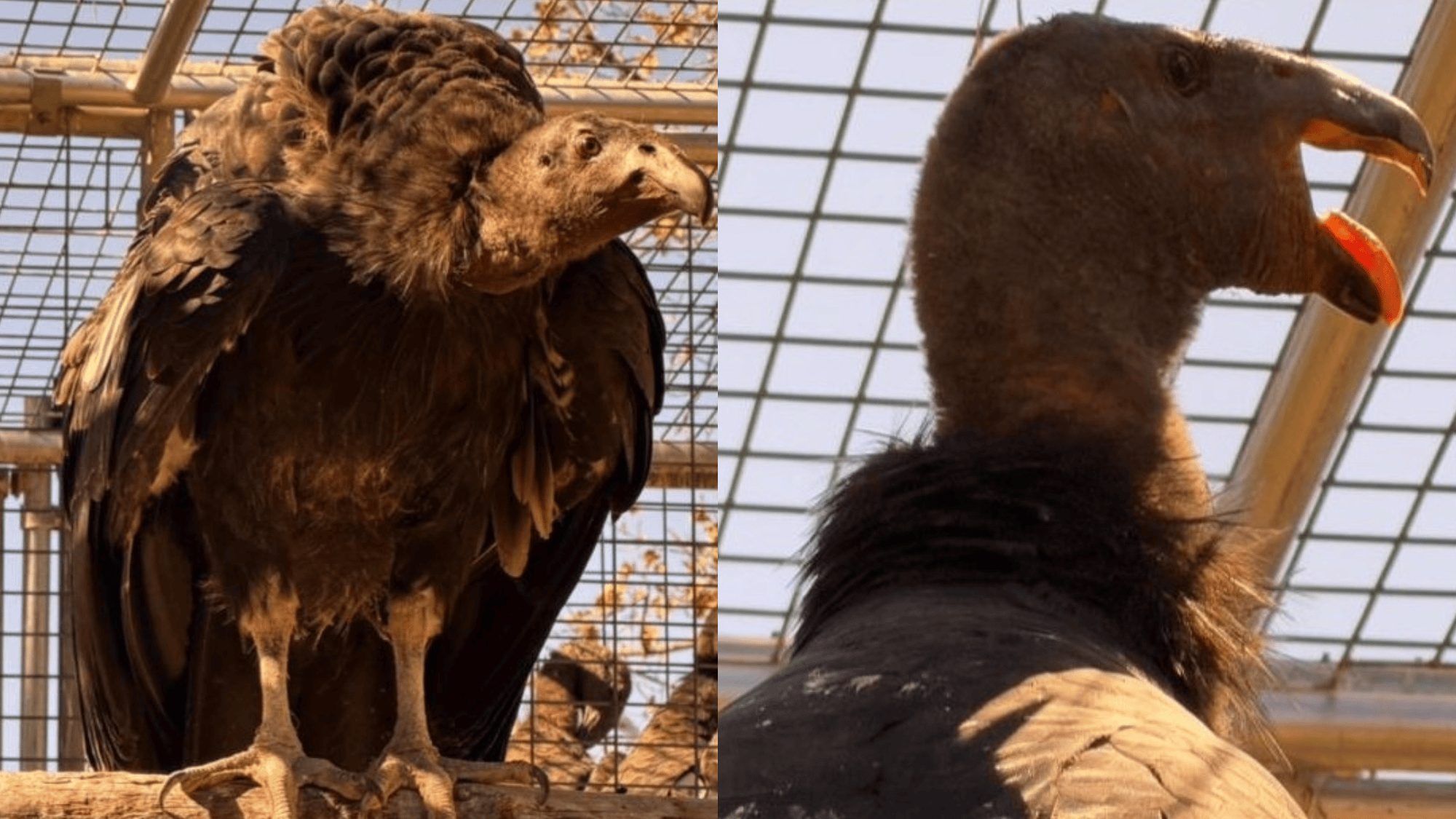
Young condors can also engage in zoomies, as demonstrated in a recent Facebook post from the Ventana Wildlife Society in California. The video shows clips of two young California condors (Gymnogyps californianus), Chert and Pumice, seemingly having a blast in their release pen.
“We observe the zoomies in both captive and wild condors. It’s just a sudden expression of pure excitement for young condors and very fun to watch,” Joe Burnett, California Condor Recovery Program Manager at the wildlife society, tells Popular Science. “Zoomies come out of nowhere and they just can’t contain themselves and totally let loose. They hop, run in circles, or flap around, or all the above! It’s just pure fun!”
It’s not just about the fun, however. Zoomies allow the young condors to release energy and grow stronger, as well as help them figure out their wings, according to the team.
The two zoomie condors are 1.5-year-old males who were raised in zoos before arriving at Ventana Wildlife Society’s San Simeon release pen in early September. It’s called a release pen because Chert, Pumice, and three other captive condors will be kept in the pen to acclimate until their release on October 24 at 10 a.m. The release will also be livestreamed.
The quintet will become a part of the wild condor population of central California, which today includes 104 individuals. But it won’t be a total goodbye. Scientists will be able to keep an eye on Pumice and Chert’s locations via wing-mounted radio & GPS transmitters and ID tags.
California condors are North America’s largest land bird. They measure 9.5 feet from wing tip to wing tip. But their size didn’t spare them from a precipitous population drop. In 1982 there were only 23 condors left in the world. All wild condors were captured and included in a captive breeding program.
“Condor releases are critical to achieving our ultimate goal- to reestablish a self-sustaining condor population in the wild,” Burnett concludes.
At the end of 2025, there were 607 California condors. We’d say Pumice and Chert earned their right to party.
KioskNews shows a cleaned-up reading view extracted from the publisher’s page — the original always lives on their site, not ours.