Southeast Asia’s ethnic Chinese traders feel the China squeeze
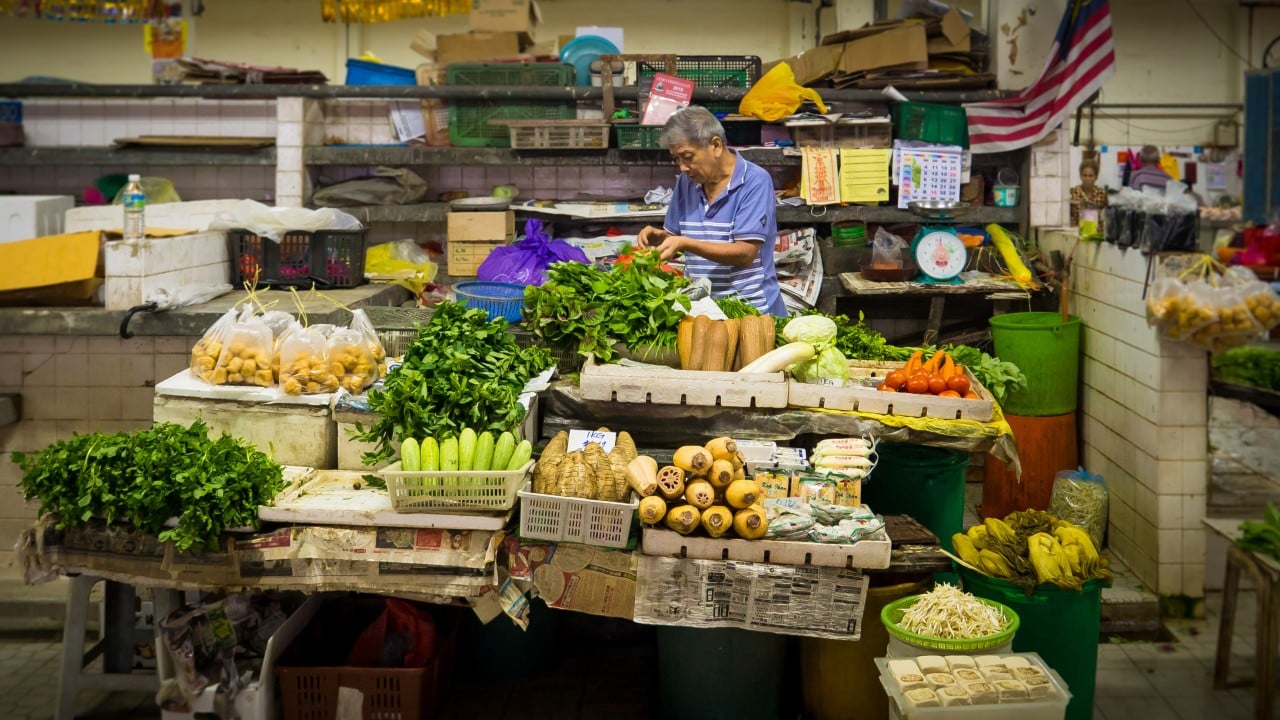
Almost every year, Kevin Stewart flies to China to find stock for his Indonesian businesses. But increasingly, the factories he visits are selling to his customers too, sometimes for less than they charge him.
A data science manager in the tech sector by day, the Chinese-Indonesian entrepreneur also helps run home-living and pet-supply companies that sell to other businesses and direct to consumers, including through e-commerce platforms.
Yet Chinese companies listing directly on Indonesian marketplaces are squeezing the profit margins of ethnic Chinese traders like him.
“Sometimes, the sourcing quotes we get from China are actually higher than the prices at which they sell directly to the Indonesian market,” he said.
Carving out a retail niche is becoming much harder, according to Stewart, who keeps track of competitors so that he knows when to stop selling an item before Chinese manufacturers flood the market with cheaper stock.
He is not alone. Several Malaysian Chinese small and medium-sized businesses report being in the same double bind, with companies based in China acting both as useful suppliers and direct competitors to established local players.
Bypassed brokers
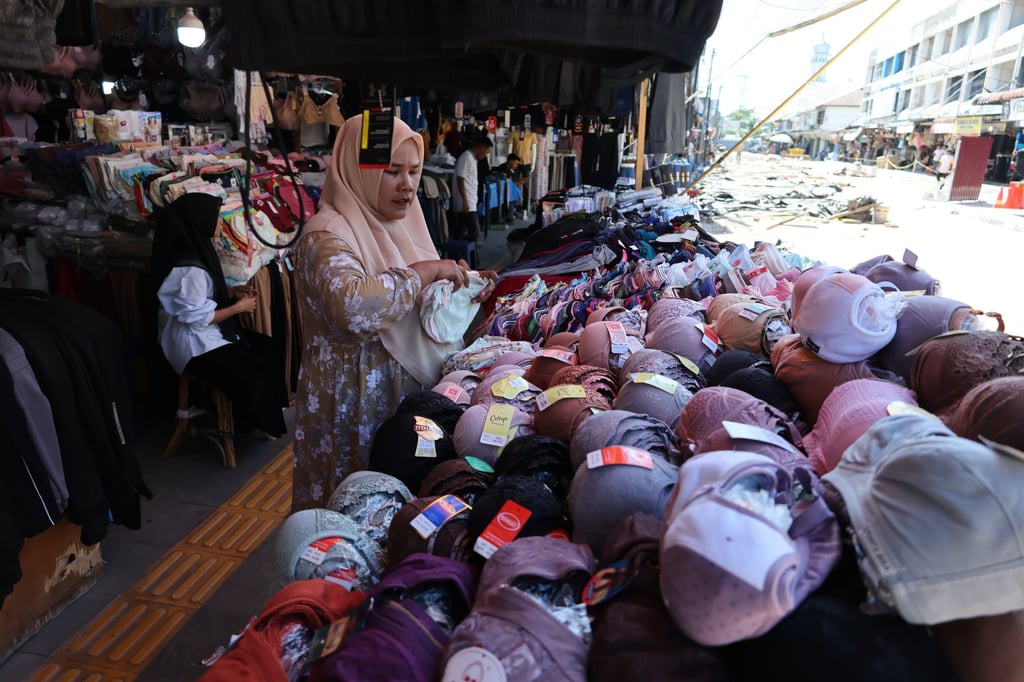
Smaller businesses all along the supply chain are growing increasingly concerned, according to Siwage Dharma Negara, co-coordinator of the Indonesia studies programme at Singapore’s ISEAS – Yusof Ishak Institute.
Chinese-Indonesian entrepreneurs typically derived their competitive advantages from domestic distribution networks, political access and knowledge of local culture and regulations, rather than their Chinese language skills or active commercial ties with China, Siwage said.
Such strengths are valuable in sectors such as mining, industrial estates, logistics and large infrastructure projects, where Indonesian partners can provide land, licences and access to local governments.
But consumer-facing sectors were different, Siwage said. There, mainland Chinese companies could leverage stronger financing to build their own supply chains and distribution networks, no longer having a need for a Chinese-Indonesian intermediary.
“Cultural familiarity still helps with trust and communication, but mainland Chinese firms ultimately select partners for tangible resources,” Siwage said, while warning against fixating on ethnicity.
“In Indonesia, it is usually expressed as a conflict between local and foreign businesses, not really between Chinese-Indonesians vs mainland Chinese.”
Unspoken unease
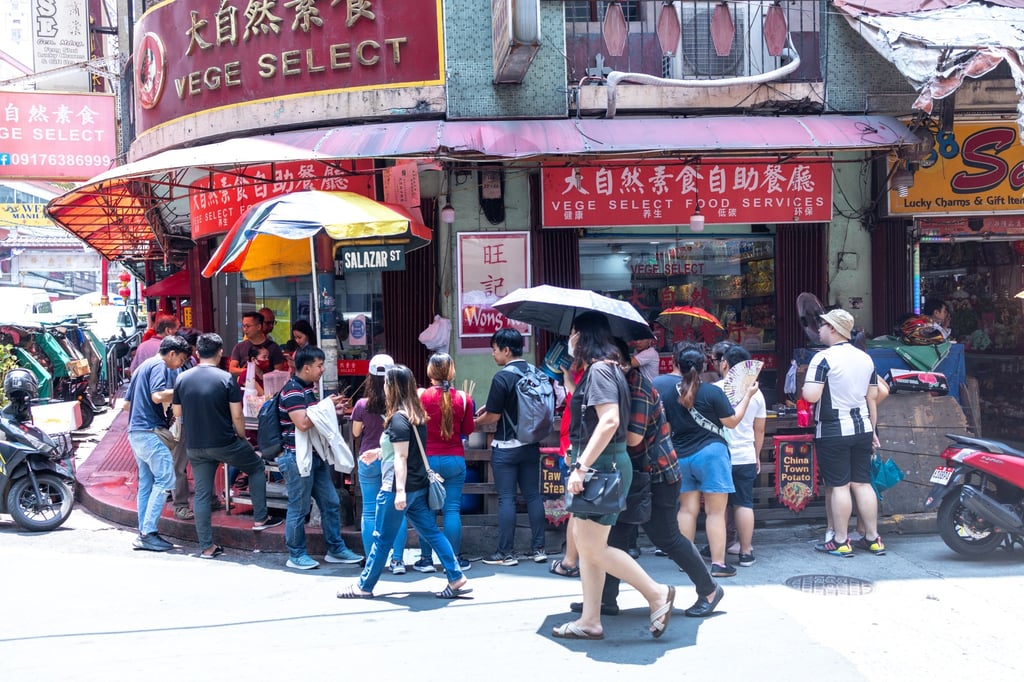
Elsewhere in Southeast Asia, the debate is no less contentious. In the Philippines, several Chinese-Filipino businesses approached by This Week in Asia declined to discuss their views of mainland Chinese entrants. Several cited the sensitivity of the country’s domestic political divisions and relations with Beijing.
That caution reflects political divisions over how Manila should deal with Beijing, alongside long-standing tensions over maritime claims. President Ferdinand Marcos Jnr’s administration has held firm on those claims while maintaining that trade and investment ties with China should continue.
In March, the Federation of Filipino-Chinese Chambers of Commerce and Industry welcomed Marcos’ proposed resumption of joint oil and gas exploration talks with China. Its president, Victor Lim, said separating territorial disputes from economic engagement reflected a “mature and pragmatic approach to statecraft”, and that energy cooperation could help secure stable, affordable supply.
Yet competition complaints have surfaced before. In 2024, Robert Ace Barbers – then a congressman for Surigao del Norte – called for changes to the Philippines’ Special Investor’s Resident Visa programme, alleging that some Chinese nationals were using it to operate stores selling smuggled goods from China.
“This has led to complaints from our Filipino-Chinese locals in the retail business, many of whom have suffered losses or closed down,” Barbers said, without identifying affected retailers or independently substantiating their losses.
His remarks linked competition grievances to alleged abuses of the scheme, which grants visas to foreign investors who meet specific requirements.

In Thailand, Narongsak Putthapornmongkol, president of the Thai-Chinese Chamber of Commerce, raised concerns about rising Chinese imports on September 2. In a survey conducted by the chamber, 27.4 per cent of respondents attributed the increase to China’s excess production capacity, which makes goods cheaper. Businesses also wanted Chinese investors to use more locally sourced materials and components.
These concerns echoed a December 2025 warning from Kriengkrai Thiennukul, chairman of the Federation of Thai Industries, who has publicly identified himself as Thai-Chinese. Kriengkrai said weak domestic demand in China was driving exports and intensifying pressure on local manufacturers.
Back in Indonesia, Stewart said intensifying price competition was “actually not healthy any more”. In fact, based on his own observations and conversations with his Chinese-Indonesian friends and fellow entrepreneurs, it was “killing many local businesses since they can’t compete with the prices”, he said.
Yet he has no plans to stop working with Chinese suppliers, drawing a distinction between buying from firms based in China and competing against them.
“So far, my suppliers have been reliable and honest,” he said.
KioskNews shows a cleaned-up reading view extracted from the publisher’s page — the original always lives on their site, not ours.