Four in five motorists ‘concerned about impact of bright headlight glare on their driving’
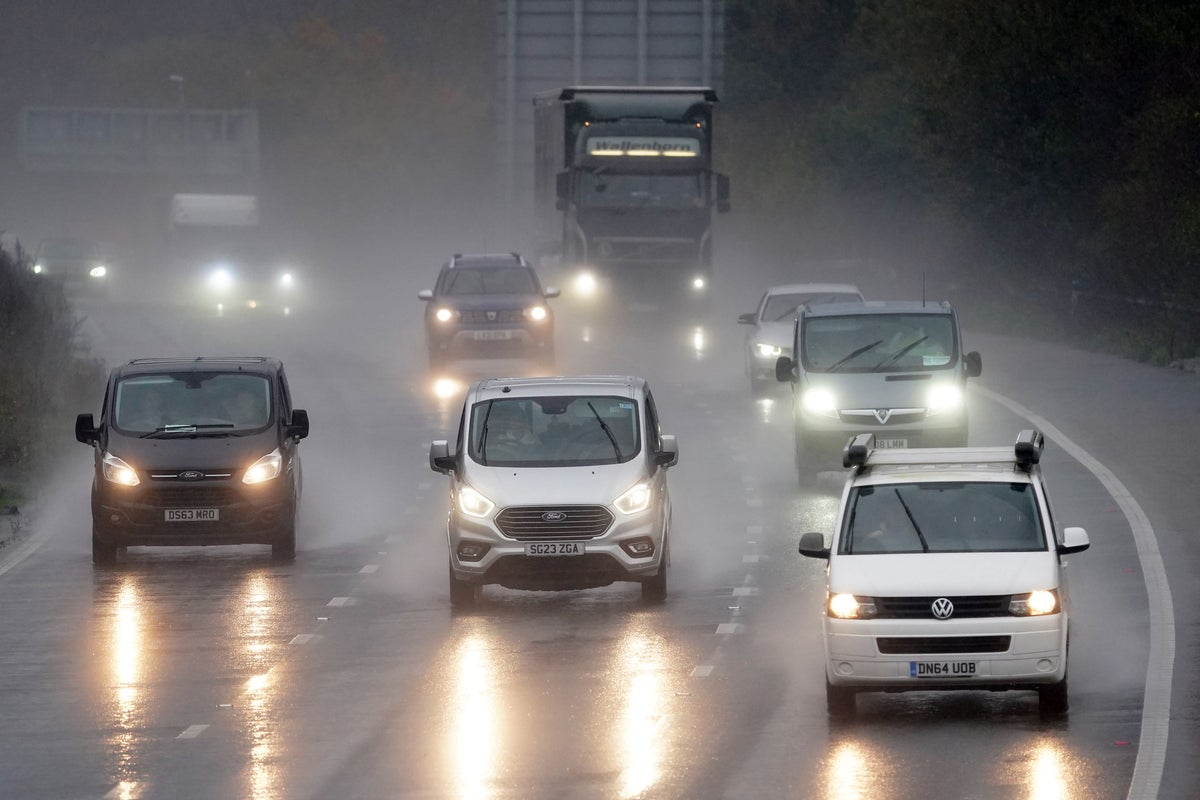
Over four in five drivers (83 per cent) are concerned about the impact of headlight glare on their driving as the clocks go back this weekend, research indicates.
The clocks will turn back one hour on Sunday morning, bringing earlier sunsets and resulting in a higher proportion of evening commutes occurring in the dark.
It comes after a government-commissioned study confirmed that brighter vehicle headlights are more likely to cause glare for oncoming drivers.
The research, conducted by consultancy TRL, found vehicle lighting to be a "genuine issue".
In a survey of 1,208 regular UK motorists conducted by the RAC, half of dazzled drivers said excessively bright headlights make identifying road hazards harder, while 49 per cent struggle to see road signs and markings.
The motoring organisation reported that 47 per cent of affected drivers find it difficult to assess the position of oncoming vehicles, and 43 per cent struggle to judge speed and distance.
As a result of headlight glare, 21 per cent of impacted respondents plan to drive less after the clocks change, while 3 per cent intend to cease driving at night altogether.

Some 35 per cent of those affected by dazzle said it temporarily blinds them.
Headlight glare not only affects drivers behind the wheel, the RAC said, but also pedestrians, wheelchair users and cyclists.
Larne Dorman, 54, from Worcestershire, is regularly affected by glare as a driver, and said: “As someone living with a chronic illness, I find headlight glare so difficult that I’m less inclined to drive at night.
“When the clocks go back, it narrows the window in which I feel able to leave the house.”
Of those who have already given up driving at night or do so less, 28 per cent said they see friends less as a result, 20 per cent see family less and 21 per cent said they feel more isolated, the survey found.
Dr Paramdeep Bilkhu, clinical adviser at the College of Optometrists, said: “If someone is experiencing new or worsening problems with glare, it’s important to speak to an optometrist, who can check your vision and eye health and advise on possible causes.
“However, this is not simply an issue for individual drivers to manage.
“We need continued research into the causes of headlight glare and evidence-based solutions that balance effective road illumination without dazzling other road users.
“Everyone should be able to travel safely and confidently after dark.”
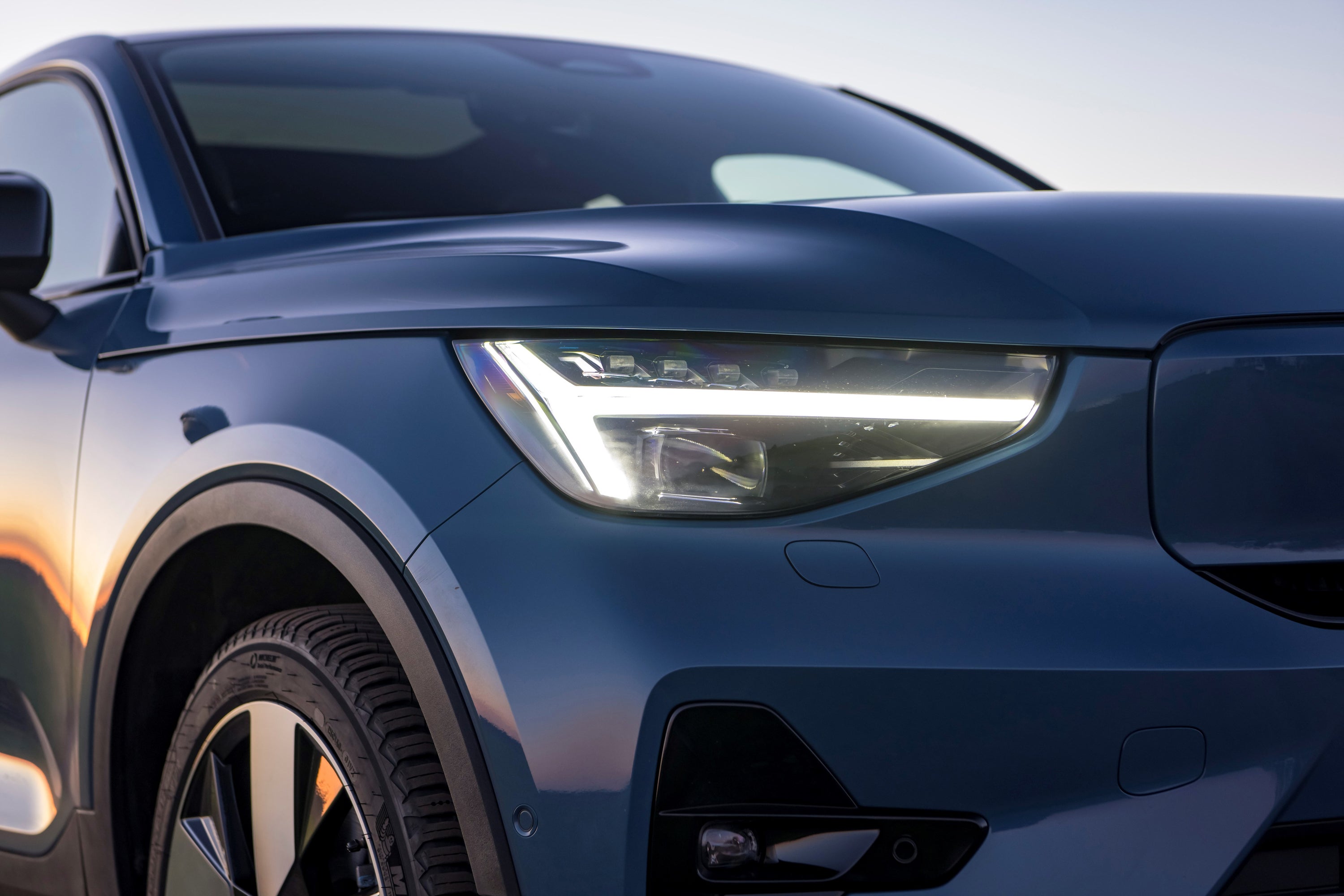
The RAC believes headlights appear brighter on modern cars because the use of bi-xenon or LED rather than traditional halogen bulbs creates a more intense beam, which improves a driver’s view but can be to the detriment of other road users.
Other potential factors include badly aligned headlights and the prevalence of SUVs, which generally have headlights in a higher position.
The RAC and the College of Optometrists recommend keeping windscreens and glasses clean and smudge-free, and urged drivers to have regular eye tests to check their eyes are healthy and their vision is as good as possible when driving.
RAC senior policy officer Rod Dennis said: “Our latest figures uncover an uncomfortable irony: the very headlights that illuminate the road for drivers and keep them safe could be doing the polar opposite for others by temporarily blinding them.
“This is leading to people feeling less confident and safe behind the wheel, and in some cases is stopping them driving in the dark altogether.
“The impact of this on their lives shouldn’t be underestimated.”
He added: “Let’s be clear – good forward lighting plays a vital role in keeping drivers safe and nothing should compromise that.
“But when this comes at a cost to other road users, including motorists themselves, something must change.
“We don’t feel vehicle lighting regulations sufficiently consider the effects of very bright lights on other road users.
“We badly need to establish the correct amount of light needed to give drivers the best view of the road ahead without dazzling those in oncoming vehicles.”
When faced with bright oncoming headlights, the RAC and college recommend drivers keep their eyes open and briefly look towards the kerb or side of the road until they can see clearly again.
Baroness Dianne Hayter, who has also urged the Government to take action over headlights, said: “The loss of confidence and sense of safety caused by dazzling headlights should be reason enough for action.
“But when some drivers conclude their only way of coping this winter is to drive less at night, or not at all, policymakers must listen.”
If drivers become dazzled when driving, they should slow down safely and stop somewhere legal and safe, if necessary, until vision improves, the RAC and college said.
Rear-view mirrors can also be adjusted to reduce glare from behind.
Meanwhile, MOT testers must accept ECE-approved LED replacement (LEDr) bulbs in compatible halogen headlamp units.
This change only applies to class 3, 4, 5 and 7 vehicles with existing halogen headlamp units that have been fitted with ECE approved LED replacement bulbs.
A Department for Transport spokesperson said: “We hear the concerns about headlamp glare across a range of models, so as a first step we’re publishing new guidance to help drivers minimise the glare on their cars.
“This is part of our wider investigation of the issue as part of our Road Safety Strategy, clamping down on illegal headlamp bulbs and pressing for improvements to international lighting rules.”
KioskNews shows a cleaned-up reading view extracted from the publisher’s page — the original always lives on their site, not ours.