1-hour PM2.5 back in elevated range in west after rising to high band
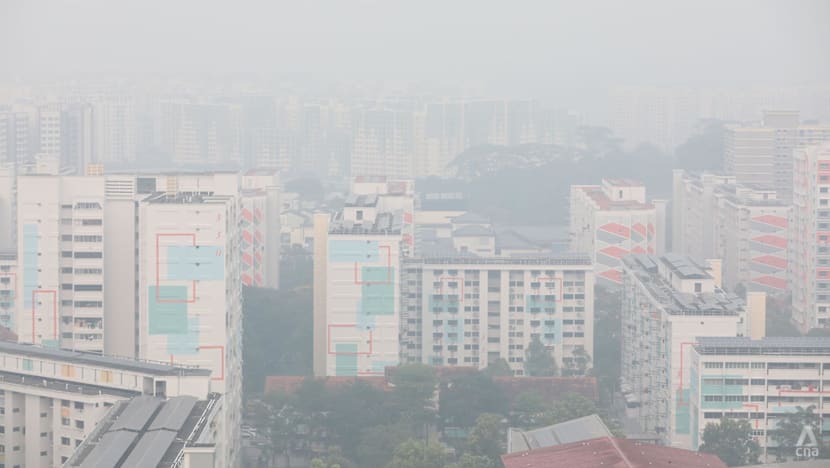
For those planning immediate outdoor activities, NEA advises checking the hourly PM2.5 levels.
The 24-hour PSI forecast and corresponding health advisories should be used in planning next day outdoor activities.
When 1-hour PM2.5 levels are elevated, healthy people are advised to reduce strenuous outdoor activity for the next hour, while the elderly, pregnant women, children and people with chronic heart or lung conditions should avoid such activity.
The 24-hour PSI is Singapore's indicator of daily air quality and forms the basis of NEA's daily health advisories. It is calculated using six air pollutants - PM2.5, PM10, ozone, sulphur dioxide, nitrogen dioxide and carbon monoxide - and reflects the average air quality of the past 24 hours.
The 1-hour PM2.5 reading, on the other hand, is the hourly average of the PM2.5 pollutant levels. PM2.5 is fine particulate matter with a diameter of 2.5 micrometres or shorter, and is the dominant pollutant during haze that causes harm to health.
A 24-hour PSI reading is considered "unhealthy" when it is in the 101 to 200 range, "very unhealthy" when it is within the 201-300 range and "hazardous" when it goes over 300.
The hourly PM2.5 reading is classified in four bands: normal, elevated, high and very high. It is considered elevated when it ranges from 56 to 150. The "high" band ranges from 151 to 250, and readings above that are classified as "very high".
KioskNews shows a cleaned-up reading view extracted from the publisher’s page — the original always lives on their site, not ours.