Exclusive-AI surveillance startup Flock Safety to cut several hundred jobs amid backlash, sources say
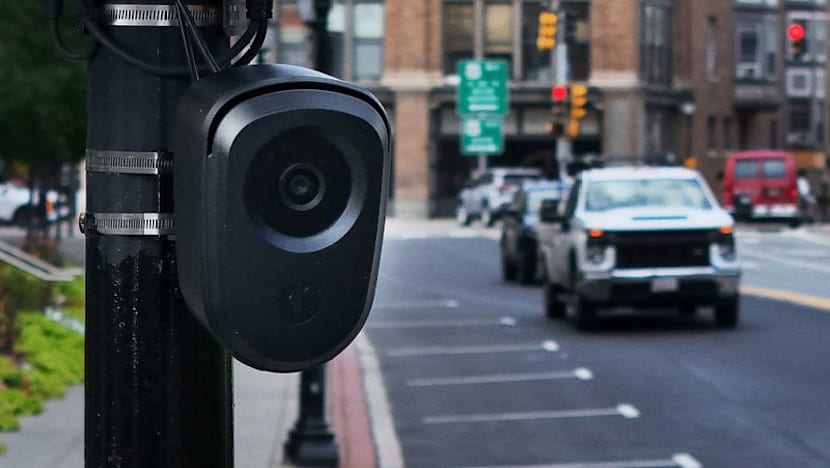
Oct 8 : Flock Safety plans to let go of about 18 per cent of its employees, people with direct knowledge of the plans said on Thursday, as the maker of AI-powered surveillance cameras and license-plate readers faces mounting opposition to its products from communities and lawmakers.
The people said job cuts came after a voluntary buyout program and are expected to impact roughly 270 employees at Flock, a surveillance technology startup that has seen rapid growth in recent years. Employees will leave the company at the end of the month. Sources declined to be identified as the company has yet to make the plan public.
Flock declined to comment.
In September, Flock announced a voluntary separation program, asking employees to apply if they wanted to leave the company, Wired reported last month. The company has about 1,500 employees.
Flock faces growing scrutiny from regulators, lawmakers, and privacy advocates, despite drawing strong investor interest among venture capitalists. A recent Reuters/Ipsos poll showed Americans are divided on whether Flock cameras are a good idea. Some 38 per cent of the country supports the use of Flock cameras in their community, compared to 47 per cent who oppose their use.
Across 49 states, Flock’s network of around 120,000 AI-powered cameras, affixed to streets and highways, automatically read license plates and record vehicles as they pass.
The company, based in Atlanta and founded in 2017, has raised over $950 million from venture capital investors, with its latest $275 million round in March led by Andreessen Horowitz valuing the company at $7.5 billion. The funds have supported a new US manufacturing facility and an upcoming push into drone products, according to the company.
Flock provides cameras and software to more than 4,800 law enforcement agencies and nearly 1,000 businesses. The company says its technology helps investigate and solve crimes, but it has come under increasing scrutiny over alleged privacy violations and data-sharing practices.
Public backlash has grown. In September, Florida banned automated license plate readers from state highways, citing privacy risks tied to Flock’s cameras.
Home Depot investors recently demanded reviews of the retailer's partnerships with surveillance technology vendors after reports that Flock’s data was used in immigration enforcement.
Flock also faces legal challenges, such as a privacy lawsuit in Virginia alleging that the widespread deployment of its AI-powered cameras constitutes warrantless surveillance.
Together with AI data centers, Flock cameras have emerged as a flashpoint in this year’s midterm elections, with candidates increasingly attacking their opponents by tying them to the technology.
KioskNews shows a cleaned-up reading view extracted from the publisher’s page — the original always lives on their site, not ours.