At 63, she needed a pacemaker, which got infected. What saved her?
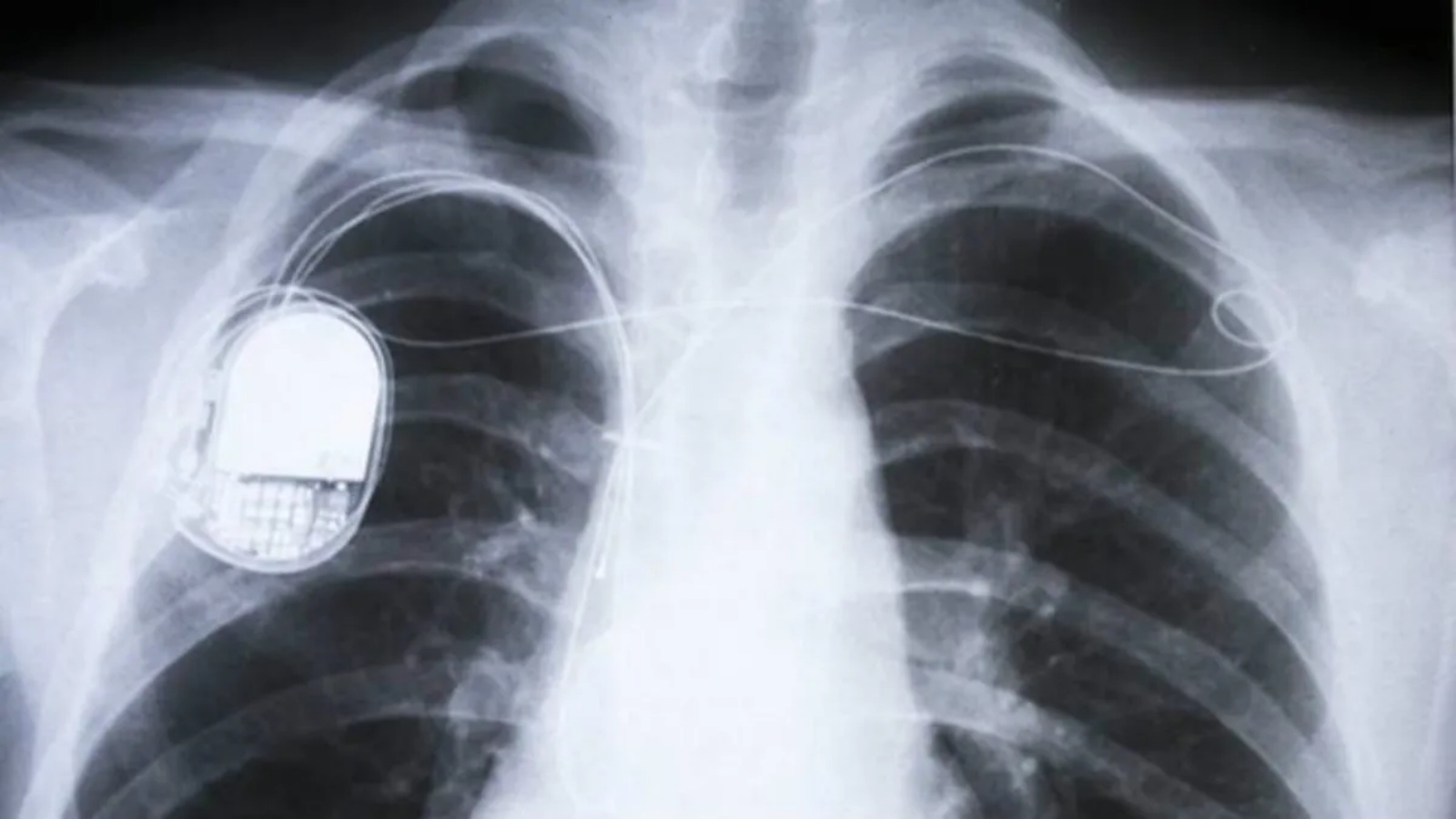
For a 63-year-old woman from Jammu, a pacemaker was supposed to bring reassurance. She had a complete heart block and needed the device to support a regular heart rhythm. A conventional dual-chamber pacemaker, which coordinates heartbeats between the heart’s upper and lower chambers, was implanted at a hospital in Jammu as she hoped for a safer, more stable phase of her life.
Instead, her wound refused to heal. Weeks passed. She needed antibiotics, but the problem persisted. Eventually, cultures confirmed what everyone had hoped to avoid: the pacemaker site was infected. By the time she was referred to us, this was no longer simply a problem of a wound that would not heal. We had to control the infection — and then find a way to provide the pacing support her heart still needed.
A patient with multiple challenges
The woman’s medical history made the situation particularly complex. She had diabetes that was not adequately controlled and rheumatoid arthritis for which she was taking steroids. She had also previously undergone a left foot amputation because of diabetic gangrene. In other words, her body was already dealing with several factors that could make fighting infection and healing more difficult.
The first priority was therefore to address the infected pacemaker system. A conventional pacemaker consists of a generator placed in a pocket beneath the skin of the chest, with leads travelling through the veins into the heart. Once an infection becomes established, it can involve the pocket, the device and, in some cases, the leads themselves. Treating the wound alone may not be enough; the infected system may need to be removed completely.
For this patient, that meant removing the pacemaker and both leads. The pocket was infected, and cultures grew two organisms, Acinetobacter and Enterobacter. A multidisciplinary team worked to control the infection while also managing her diabetes and other medical issues that could affect recovery.
But once the infection was brought under control, another question became unavoidable. Her heart still needed pacing. What could we safely put back?
Story continues below this ad
Rethinking the conventional pacemaker
This was where leadless pacing offered a different possibility. Unlike a conventional pacemaker, a leadless pacemaker does not require a surgical pocket beneath the skin or conventional pacing leads running from the chest into the heart. Instead, the small device is implanted directly inside the heart using a catheter, generally introduced through a vein in the leg.
For a patient who had already experienced a serious pacemaker infection — and who also had diabetes, steroid use and a history suggesting difficult wound healing — avoiding another chest pocket was an important consideration.
After discussing the available options, we decided to implant a dual-chamber AVEIR leadless pacemaker.
The procedure was performed through the right femoral venous route, without creating another surgical pocket.
Story continues below this ad
A different kind of recovery
Her recovery was encouraging. She was mobile approximately six hours after implantation and was discharged the following day. At follow-up, the device parameters were satisfactory.
For the medical team, this represented a successful procedure. For the patient, it meant something more personal. After weeks of infection, antibiotics and ultimately the removal of her original pacemaker, she once again had the pacing support her heart needed — without another conventional pacemaker pocket.
The bigger lesson
Her case illustrates an important change in the way we think about pacing the heart. Leadless technology is not intended to replace conventional pacemakers for every patient. Conventional systems remain appropriate for many but increasingly, the patient’s individual circumstances have to be part of the decision.
A history of device infection, difficult wound healing, significant comorbidities or certain vascular-access challenges may prompt clinicians to consider alternatives to the conventional approach. Technology, in this sense, is giving us more choices. The important question is knowing when those choices may matter. A pacemaker may be a small piece of technology, but choosing how and where it is implanted can have a profound impact on a patient’s recovery.
Story continues below this ad
(The author is Clinical Lead, Cardiac Electrophysiology; Senior Consultant, Interventional Cardiologist & Cardiac Electrophysiologist, Indraprastha Apollo Hospital, New Delhi)
KioskNews shows a cleaned-up reading view extracted from the publisher’s page — the original always lives on their site, not ours.