Why Malaysia may still face trade uncertainty after US midterms
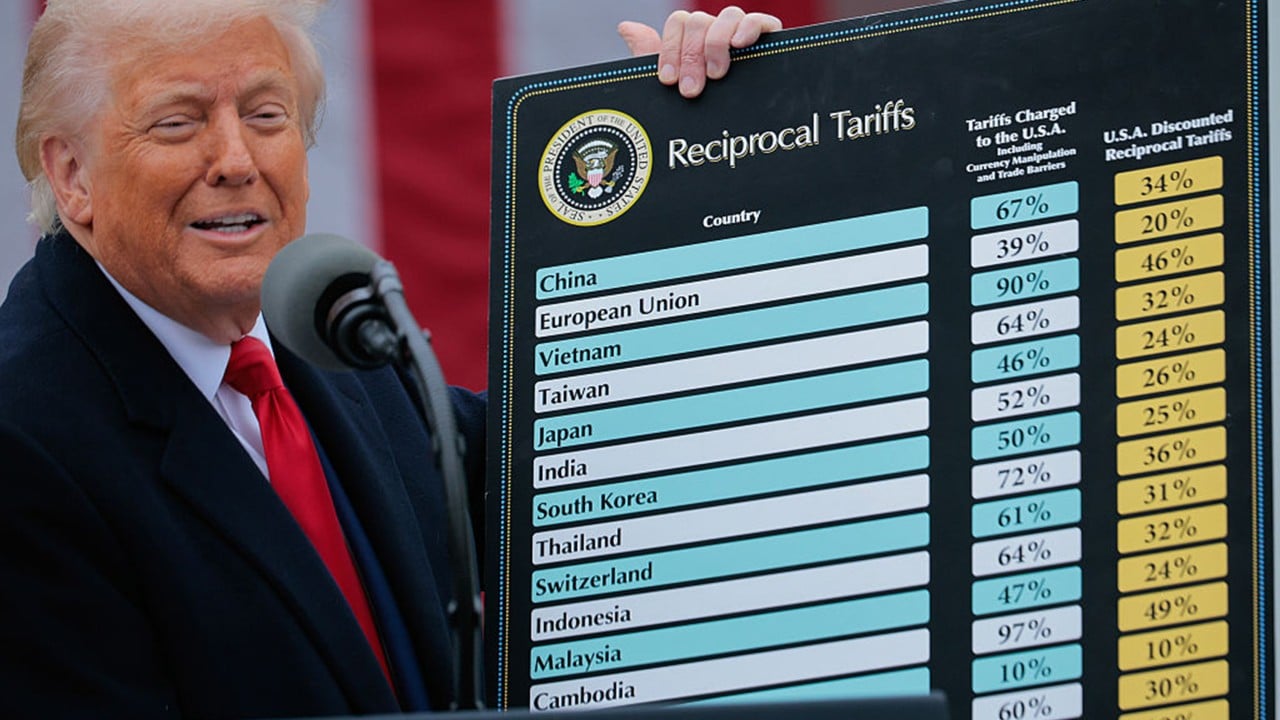
Malaysia’s hope for a shift in US trade policy is unlikely to be realised for some time, experts warn, as the new Democratic-led Congress will face strong opposition from US President Donald Trump in its attempt to reverse some of his tariff measures.
Trump’s Republicans suffered their worst rout in recent times in the US midterm elections on Tuesday, losing control of both Congress and the Senate by wide margins as voters made clear their anger at Trump over surging living costs caused by the Iran war.
The results are expected to force the president to go on the defensive and double down on his controversial tariff regime, with little indication that a Democratic Congress would be of much help to smaller trade partners such as Malaysia, according to experts.
The Democrats would be expected to throw the full weight of their congressional majority to pressure Washington to review its trade policy, especially on tariffs that directly raised costs for US businesses, said Asrul Sani, an associate vice-president at strategic advisory firm The Asia Group.
“But Trump can veto legislation, and Democrats lack the votes to override him. Malaysia should expect more scrutiny and uncertainty, but no automatic tariff relief,” Asrul said.
Global trade was sent into turmoil in April last year when Trump unveiled his sweeping tariffs of up to 50 per cent, a move that he said would correct decades of trade imbalances and bring manufacturing back to the US.
The decision triggered a damaging tariff war with China and forced smaller nations, including Malaysia, to form a beeline to Washington to negotiate more favourable trade deals.
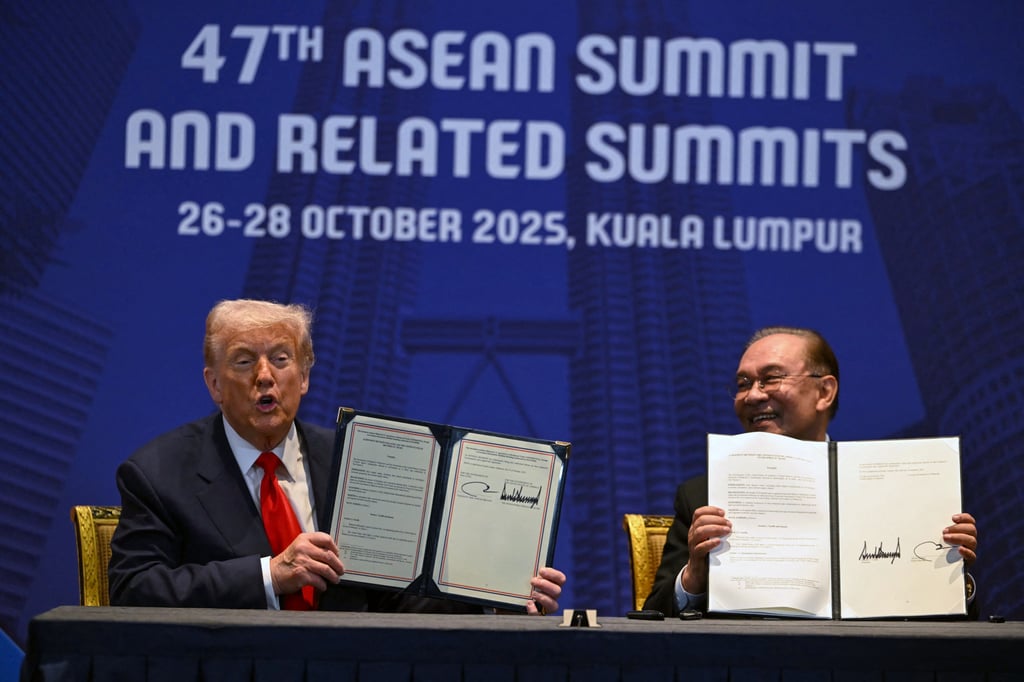
Malaysia signed a deal with the US in October last year, promising US$240 billion in investments and more purchases of American goods in exchange for Washington’s 19 per cent tariff rate.
But the deal’s status came into doubt in February after the US Supreme Court found that Trump had acted unconstitutionally by using emergency powers over his tariff policy.
With an earlier tariff rate agreed to under their October 2025 deal no longer applicable, the US in July imposed a fresh 10 per cent levy on most exports from Malaysia for allegedly failing to eliminate forced labour in its supply chain.
The Democrats’ midterms sweep has also become a subject of debate among Malaysian politicians.
Prime Minister Anwar Ibrahim cited the rise of Michigan senator-elect Adbul El-Sayed – the first Muslim ever elected to the US Senate – as an example of the importance of rejecting racial prejudice and religious discrimination.
Anwar, whose progressive Pakatan Harapan (PH) coalition is facing an uphill battle against a Malay nationalist coalition led by federal partner Umno in the November 14 Melaka state election, said El-Sayed’s achievement was a “lesson” on how acceptance of diversity would benefit people of all backgrounds.
00:37
Driver fleeing police stops mid-chase to pay highway toll
“Those who defeated Trump’s Republican Party in the US are people who oppose racism,” Anwar said on Thursday at a government outreach event in Melaka.
Anwar’s support for the Democrats’ rise may not necessarily lead to a better trade deal, given that the US continues to target China’s vast global supply chain going through third countries like Malaysia, according to Hafidzi Razali, chief executive and founder of public affairs advisory firm Strategic Counsel.
During the administration of former Democratic president Joe Biden, Washington maintained tariffs and sanctions that Trump had imposed on China in his first term, imposed various additional levies on Chinese exports and tightened scrutiny of Beijing’s trade partners such as Malaysia.
The extended truce in the US-China trade war struck by Trump and Chinese President Xi Jinping in October last year was due to expire on January 10, leaving Malaysia and other countries vulnerable to a new round of trade upheaval, Hafidzi said.
“The new Congress is arguably more hawkish on China,” he added.
KioskNews shows a cleaned-up reading view extracted from the publisher’s page — the original always lives on their site, not ours.