Why Singapore’s wave of data breaches signals ‘new era’ of cyber threats
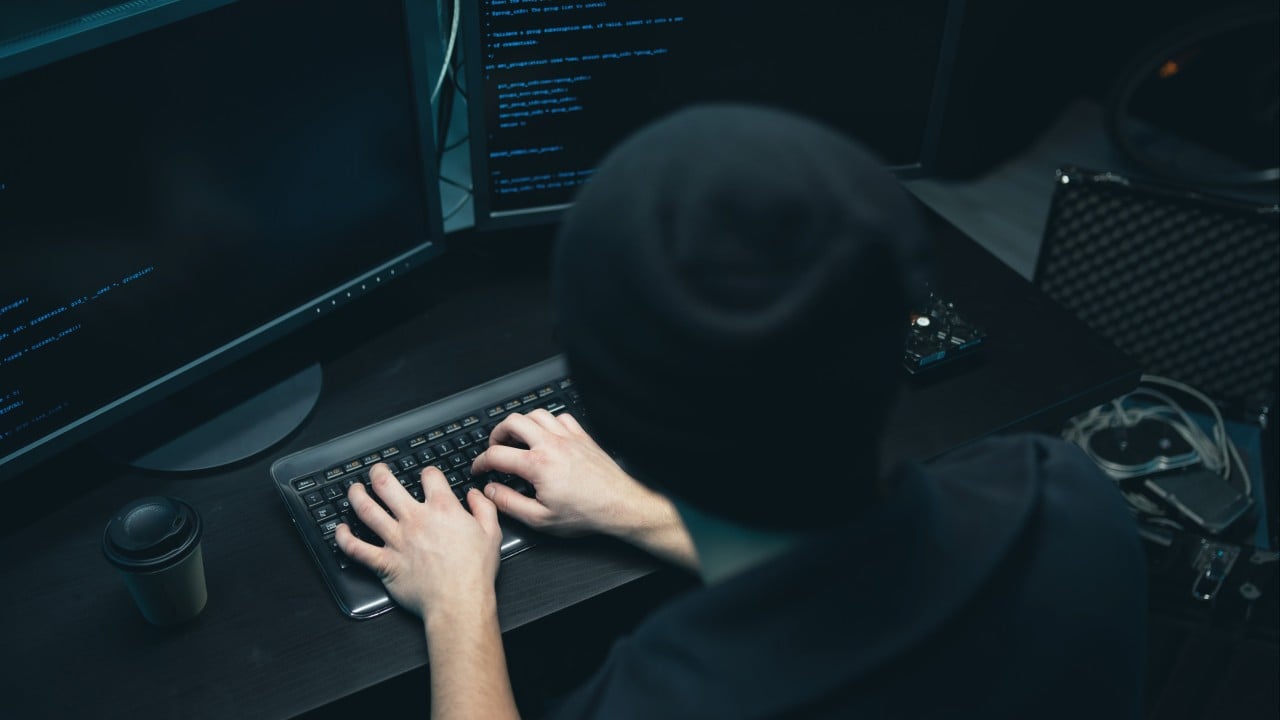
When Singaporean retiree Steven Wong started getting calls from strangers addressing him by his full name, he grew uneasy about how much of his personal information might be out there.
The 71-year-old now avoids using his credit card for online purchases and bargains that seem too good to be true. He also ignores unsolicited messages. “You never know what they can do or who they may target,” he said.
Singapore has been hit by a wave of data breaches across the aviation, healthcare, telecommunications and media sectors, raising fears of a growing cybercrime threat.
Cybersecurity analysts warn that the consequences could extend far beyond the initial breaches, with stolen personal details potentially fuelling identity theft, financial fraud and impersonation scams.
The increasing use of artificial intelligence is also allowing criminals to exploit vulnerabilities and mount attacks at unprecedented speed and scale.
But the surge in reported incidents does not necessarily point to failing cyber defences in Singapore, according to analysts. Rather, it underscores the growing difficulty of protecting sensitive information even in a highly regulated digital economy.
Singapore’s Cyber Security Agency (CSA) said on Friday that the recent breaches did not appear to be part of a coordinated campaign targeting the city state, but reflected a global trend of opportunistic cybercriminals exploiting weaknesses in organisations’ systems.
Since September, the monthly average of reported cyber incidents has tripled from January to August, the government agency revealed. “Some incidents have also involved compromised third-party suppliers, underscoring the importance of managing supply-chain risks.”
The growing use of AI had accelerated the pace of software vulnerabilities being exploited and significantly reduced the time for organisations to address gaps in their systems, it added.
“Cyberattacks are increasingly opportunistic. Threat actors actively scan the internet for vulnerable systems, and organisations can become victims even if they are not specifically targeted,” CSA warned.
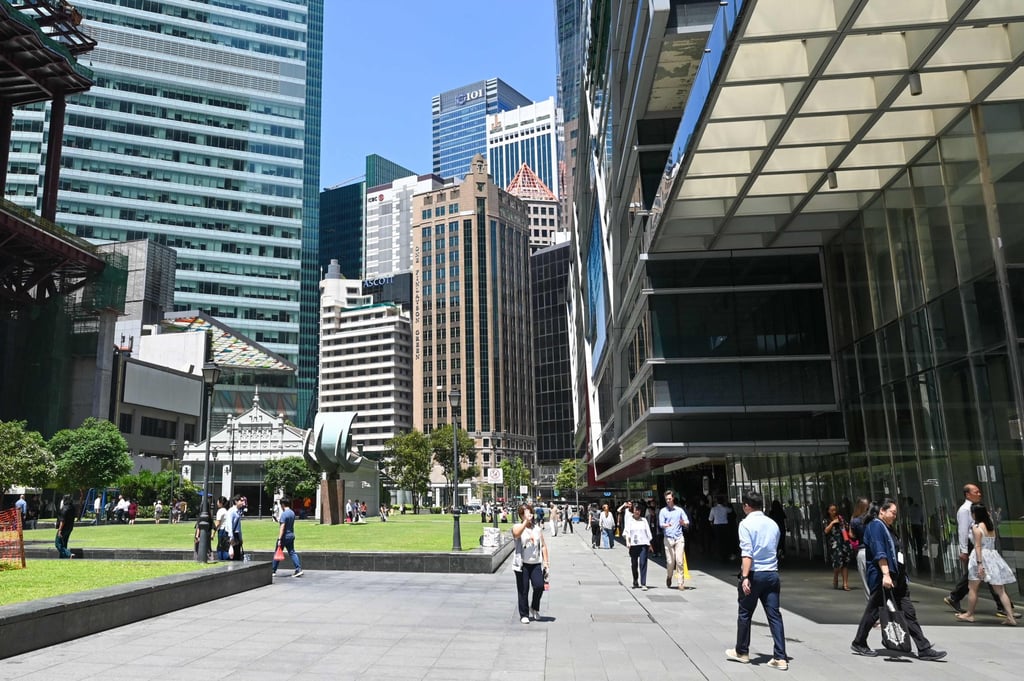
According to a report by the CSA released in October covering 2,005 organisations, almost nine in 10 of the respondents experienced at least one cyber incident last year.
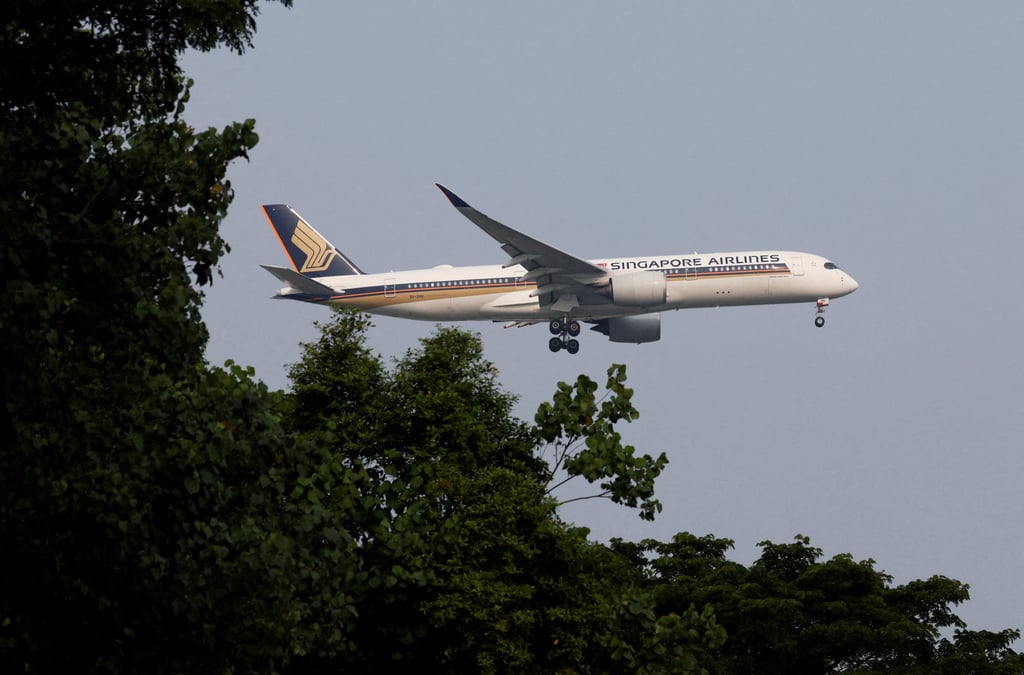
Earlier this month, Singapore Airlines revealed that about 46,000 booking records were illegally accessed following a data breach involving Amadeus, the carrier’s tech provider, which compromised details including customers’ names, booking reference numbers and flight classes, and potentially phone numbers and email addresses.
Healthcare providers Fullerton Health and Doctor Anywhere and telco M1 reported breaches soon after, with exposed information including residential addresses, identification numbers and dates of birth.
“Leaked data often ends up on the dark web, where fraudsters use it to impersonate real customers, open fraudulent accounts or take over existing ones, sometimes months later,” said Zhang Yi, head of product at risk management firm ADVANCE.AI.
AI-enabled attacks
The recent flood of cyber breaches is only expected to grow with the increasing sophistication of AI, as threat actors use advanced models to launch simultaneous attacks at a low cost, according to analysts.
Data theft is increasingly replacing encryption as the primary driver of attacks, with personal information now becoming more valuable to cybercriminals.
A full set of personal data that can be used to impersonate a Singaporean, including full names and phone numbers, can be sold for up to US$95, compared with US$30 in 2023, according to an August report by cybersecurity consultant Ensign InfoSecurity.
“As digital economies across the region continue to mature, trusted ecosystems are becoming increasingly attractive targets for sophisticated threat actors,” the report stated.
The wave of data breaches in Singapore has also extended to the media sector.
Names, mailing addresses and phone numbers were among customer data compromised in a spate of attacks, believed to have been carried out using AI, on Singapore publisher SPH Media, which revealed last Tuesday that nine per cent of its database was affected.
“We are entering a new era,” said Zhang. “[AI] changes the maths for defenders. Attacks that once needed large skilled teams can now be run at scale by far fewer people deploying hundreds, if not thousands, of autonomous AI agents.”
But the spike in incidents did not signal that Singapore’s cyber defence mechanisms were lacking, said Tony Anscombe, chief security evangelist at cybersecurity firm ESET, noting that more disclosures could also reflect stronger detection and reporting.
In 2024, Singapore amended its Cybersecurity Act to expand oversight to include risks from suppliers and cloud services, requiring operators of critical information infrastructure to declare any cybersecurity outage or attack on their premises or along their supply chain.
The city state also set out a revamped cybersecurity strategy last month aimed at helping it navigate an increasingly complex landscape. Measures included raising security standards across organisations and firms with stronger governance and practices, as well as securing new AI and frontier technologies to strengthen defence capabilities.
“Singapore has a comparatively mature framework because it combines legislation, regulatory oversight and increasingly detailed operational guidance,” said Anscombe, adding that the country already had “substantial safeguards” against cyber threats.
But the challenge lay in translating policies to operational consistency, he said. “Resilience is ultimately determined by whether organisations know what they have, patch it quickly, monitor it effectively and know how to respond when something goes wrong.”
Regional attacks
Singapore’s neighbours have also been swamped by relentless cyber incidents, with governments urging firms and officials to step up cybersecurity measures.
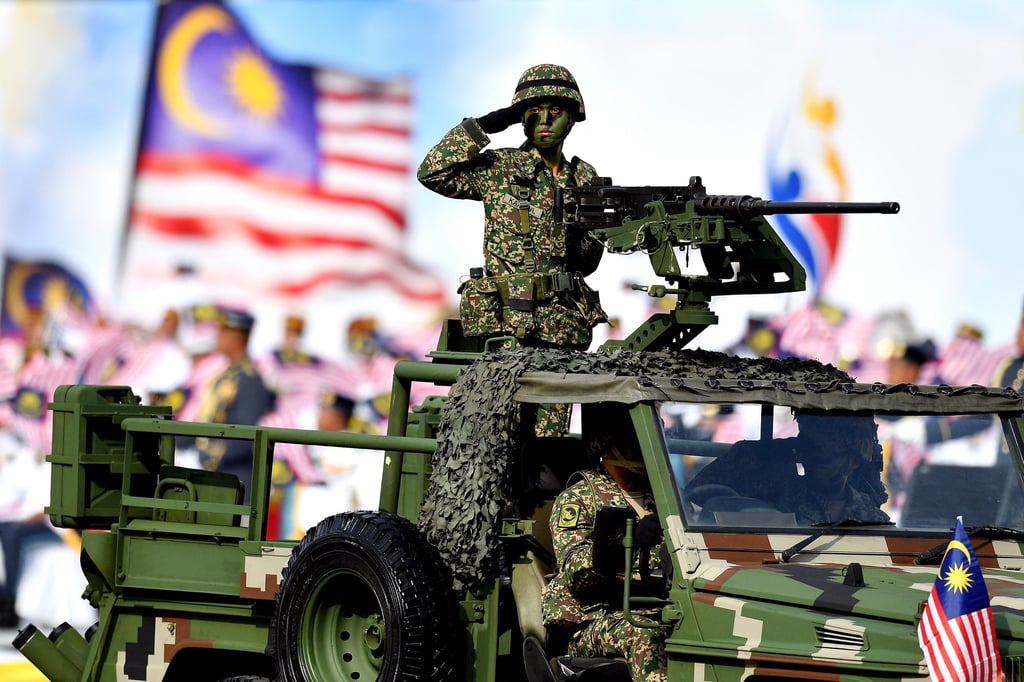
Malaysia had been facing thousands of attack attempts every month, Prime Minister Anwar Ibrahim revealed on Saturday, adding that he had met with the top leadership of the armed forces to discuss strengthening the military’s cybersecurity unit in Kuala Lumpur.
Last Monday, Indonesia urged its banking sector to enhance digital security layers to protect national information systems and financial infrastructure against widespread hacking attempts.
Thailand’s national carrier Thai Airways on the same day revealed that over 60,000 passenger booking records might have been accessed without authorisation through its supplier’s system, leading to Bangkok instructing aviation agencies and service providers to tighten cybersecurity.
Zhang urged organisations to raise the bar for verification, potentially including physical checks and behavioural signals, to prevent impersonators from passing as a customer despite having their personal details.
Authorities should also set clear standards for firms that hold sensitive data, and share information on threat intelligence and attack patterns efficiently between sectors, he said.
Anscombe said businesses often faced the challenge of meeting regulatory expectations on security capabilities, such as vulnerability management and timely detection and response. For a start, governments should prioritise helping smaller firms, he added.
“Regulatory maturity and the ability of every individual organisation to prevent every breach are different measures,” he said.
“The meaningful comparison is not simply which country has more rules, but how effectively those rules become adopted by businesses into everyday security practice.”
KioskNews shows a cleaned-up reading view extracted from the publisher’s page — the original always lives on their site, not ours.