Banks see record cash withdrawals after government stockpiling advice
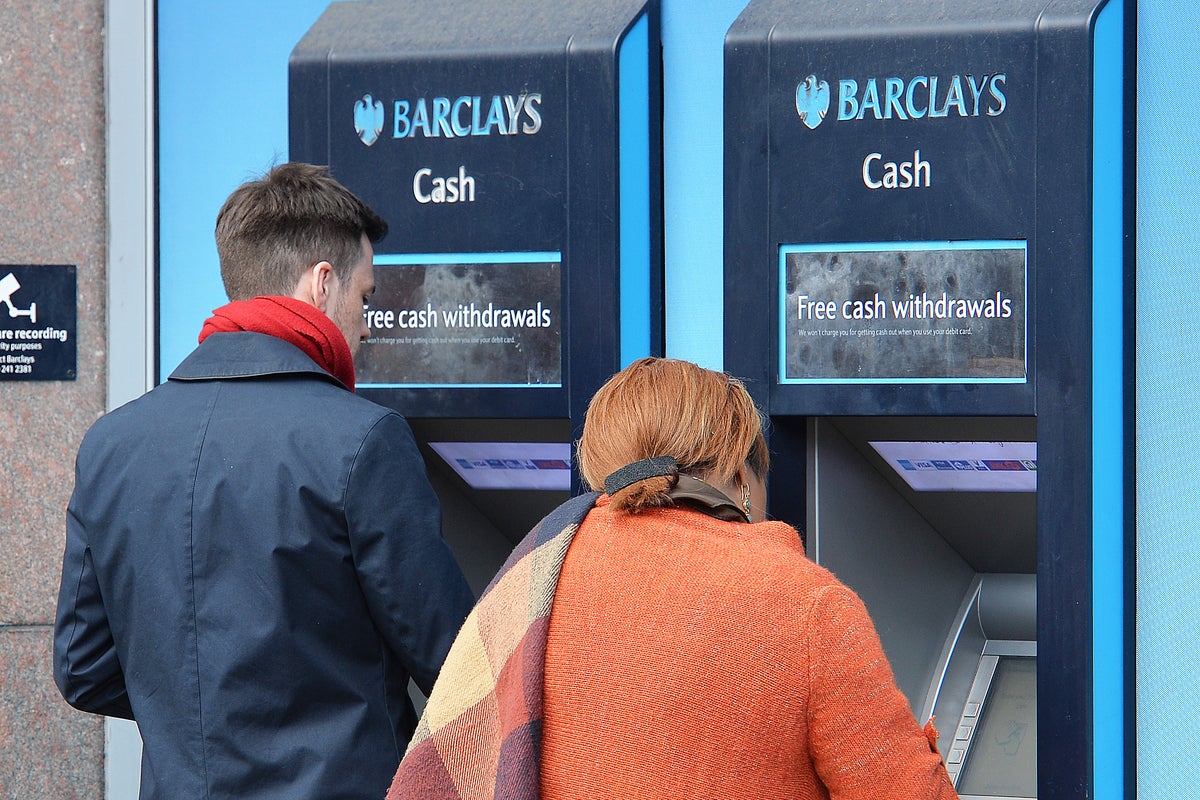
Banks saw average cash withdrawals from ATMs hit record figures on Friday as Britons responded to government calls to prepare for widespread disruptions from cyber atacks and emergencies.
Under the Labour government’s “Be Ready” campaign, ministers are asking people to take “simple and effective” steps to build up their resilience, including building up a three-day supply of cash, bottled water and food at home.
In response to the fresh guidance, sales of tinned food, wind-up radios and torches have all spiked at supermarkets and retailers.
Now, the public appears to be building up their cash supply with advice from the government for people to have a collection of notes and coins in case cash machines or electronic payments fail as a result of an emergency event.
The Independent can reveal that last Friday’s average ATM transaction was £106.20 - a record only ever beaten by Christmas Eve.
Last week was also the first time the weekly average withdrawal was above £100, apart from at Christmas, at £100.78. In the same week last year, the average withdrawn was £94.69.
The figures from Link, which connects the national network of cash machines, also show that on the day of the government guidance being published, on 22 October, the amount of cash withdrawn (£205m) was 3 per cent higher than at the same time last year (£200m).
Graham Mott, director of strategy, LINK: "In response to the government's Be Ready campaign it has been a busier week at ATMs than we expected.
“At the beginning of last week, the bad weather kept a lot of people away, but interestingly when people have been able to visit cash machines, they've been taking considerably more than average.
“Besides Christmas, when ATMs are at their busiest, it's the first time weekly average values have been above £100. Equally Friday’s average £106,20 has only ever been beaten by Christmas Eve."
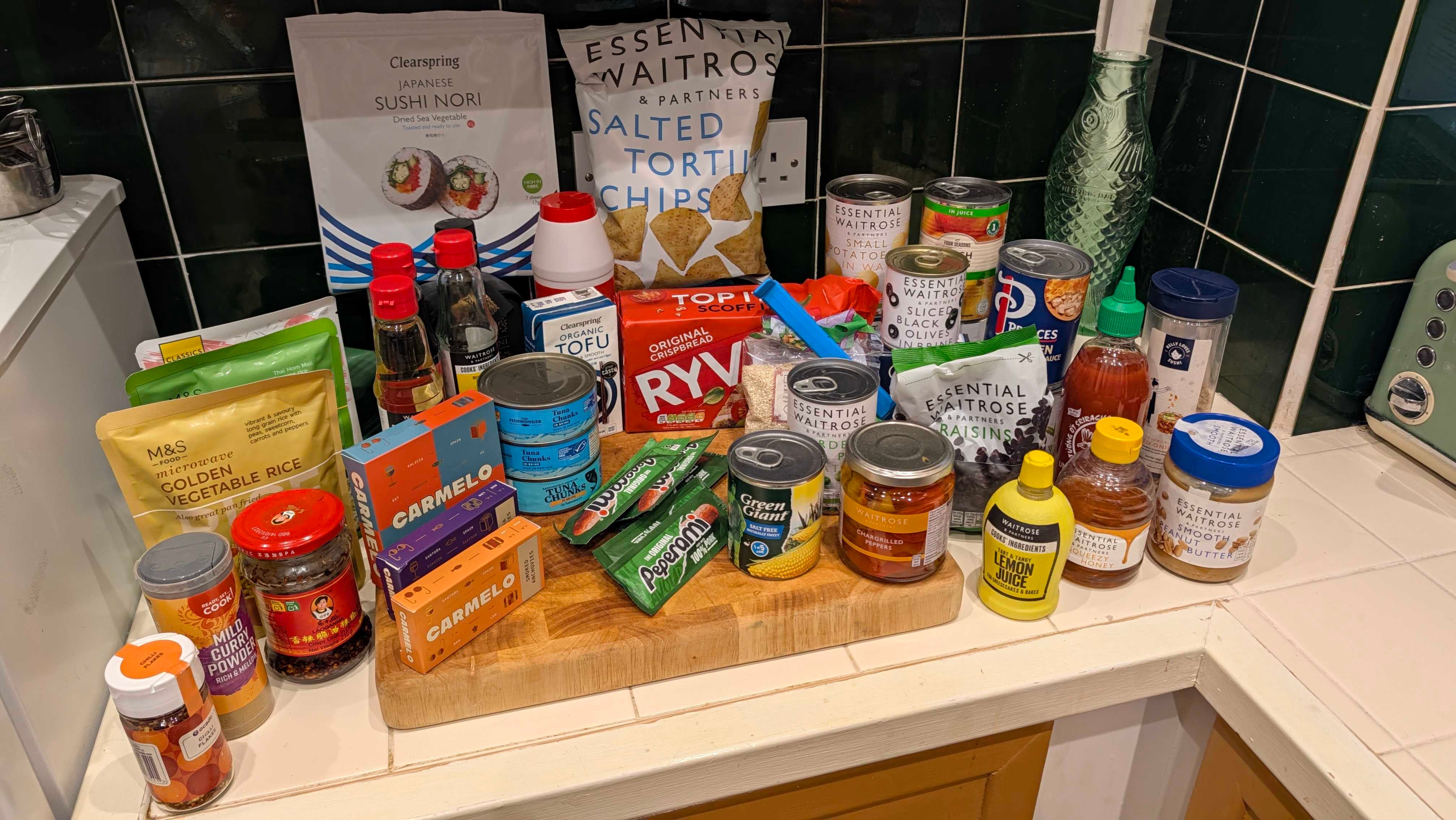
Following the uptake in items bought from retailers in response to the government’s campaign being launched, defence secretary Wes Streeting welcomed the public’s engagement.
He told BBC Newsnight: “Having a few everyday essentials at home, from tinned food to torches, helps households prepare for disruption, whether that's flooding, power cuts or burst pipes. We can all play our part in making Britain more resilient.”
As well as building up supplies of water and food, households are urged to make a household emergency plan which includes an escape route and meeting point for families members. They are also being asked to connect with their community to find out what others might be able to share during an outage.
The government has said it has worked with other countries to learn from their experience and best practice, including France and Ireland.
Laura Scott, British Red Cross director for UK Resilience, said: “We know from our work across the UK that local people know their communities best and want to play a part when a crisis happens. Having clear and trusted advice for people, especially those who may be more at-risk, could help reduce the impact of crises and even save lives.”
KioskNews shows a cleaned-up reading view extracted from the publisher’s page — the original always lives on their site, not ours.