All 30 Episodes Of Apple TV's 10/10 Book Adaptation Offer Peak Sci-Fi Storytelling

Dhruv is a Lead Writer in Screen Rant's New TV division. He has been consistently contributing to the website for over two years and has written thousands of articles covering streaming trends, movie/TV analysis, and pop culture breakdowns.
Before Screen Rant, he was a Senior Writer for The Cinemaholic, covering everything from anime to television, from reality TV to movies.
After high school, he was on his way to become a Civil Engineer. However, he soon realized that writing was his true calling. As a result, he took a leap and never looked back.
Sign in to your ScreenRant account
Book adaptations of acclaimed sci-fi books are not always bound to succeed. While some TV adaptations follow their source material a little too closely, others drift too far away and end up telling completely different stories. One sci-fi show on Apple TV, however, strikes the rare balance between the two and perfectly captures its source material's essence by carefully rewriting it for the screen.
The show in question, Silo, is based on Hugh Howey's book trilogy of the same name. In season 1, Silo covers a significant chunk of the original novel series' first book, Wool. While at it, it slightly changes the book's tone and turns into a grand post-apocalyptic conspiracy thriller. Silo season 2 then goes on to introduce even bigger book changes, adding immense political intrigue to the original story.
With season 3, Apple TV's Silo takes massive creative liberties from the very beginning. For obvious reasons, many fans of Hugh Howey's original Silo books were not too content with these. In hindsight, however, Apple TV's Silo comes off as a masterclass in book adaptations as it delivers peak science fiction in every episode.
Silo's Dystopian Sci-Fi Is Grounded In A Western Philosophy

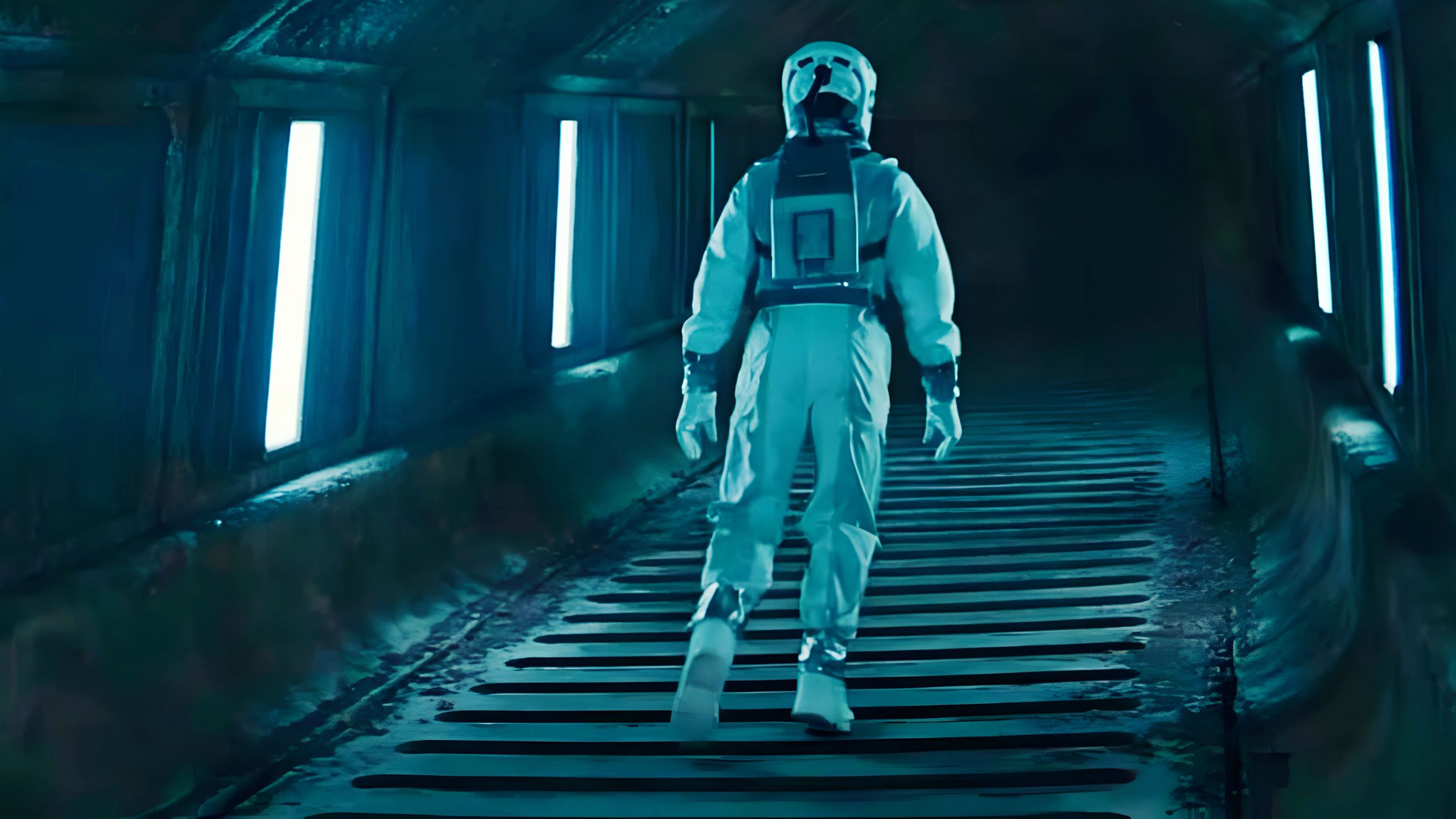
The foundation of Silo's story rests in Plato's Allegory of the Cave. In the original allegory, prisoners in a cave mistake shadows on a wall for reality until one of them finally escapes into the sun. A similar game of lies and deception keeps the characters of Silo trapped in an underground city until Rebecca Ferguson's Juliette ends up going out and finding the truth.
Silo's parallels with Hobbes’s Leviathan emerge when the show highlights the nature of authoritarian control in its story. The fear of seeking knowledge and freedom is so deeply instilled in the silo's citizens across generations through memory-altering drugs, rigid rules of Silo's Pact, and historical revision that they hold obedience synonymous to survival.
Even the overarching surveillance in Silo draws from Bentham and Foucault’s Panopticon. The higher authorities in the show do not have access to large armies to prevent the citizens from leaving. Instead, power is kept secretive and internalized through processes like "The Cleaning" in Silo, without the people knowing that they are contantly being watched and controlled.
Every main character in Silo is also forced to go through the Cartesian crisis as they navigate and accept the harsh truths of their post-apocalyptic world. From Tim Robbins' Bernard to Steve Zahn's Solo, every character is eventually forced to wonder whether anything they have been taught to believe is real. With this, Rene Descartes' "I think, therefore I am" becomes the driver of every character's journey.
Silo's Sci-Fi Story Feels Incredibly Real & Relatable
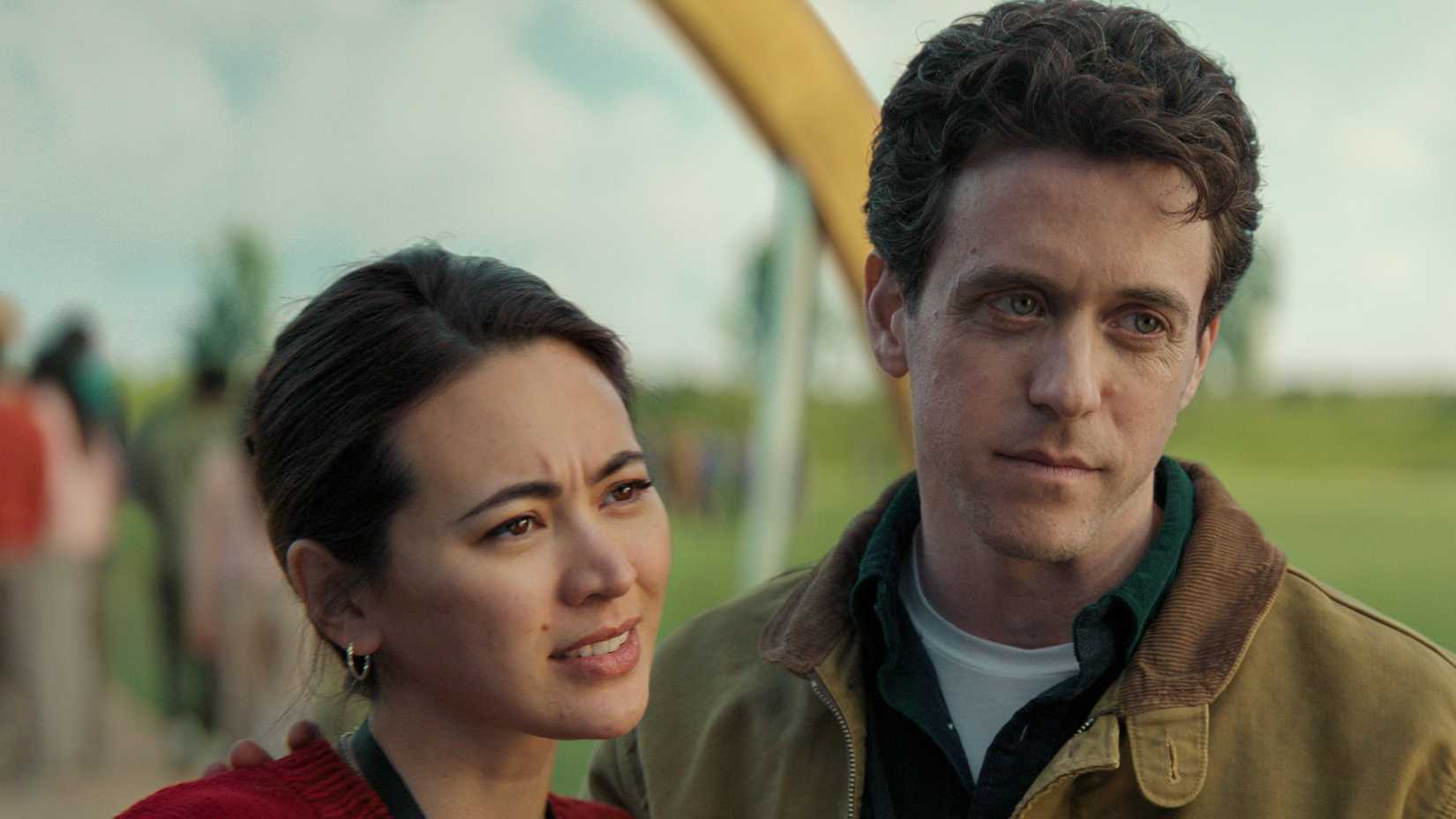
In its three-season runtime, so far, Apple TV's Silo has ensured that even aspect of its post-apocalyptic world feels real. The early seasons made one question why the silos did not have elevators and any modern technology. Answers to these eventually emerged, revealing how the lack of elevators and technology is just another means of establishing control and fixed heirarchy inside the silo.
The world of Silo is packed with many such details that conrete and logical answers. Although Apple TV's Silo suffers from pacing issues time and again, the show makes up for these shortcomings with its meticulous world-building. In season 3, it even ties its central apocalypse to a major past conspiracy while introducing everything from killer drones to nanobots.
Silo is also all set to end its run on a high and conclusive note in season 4. If its home stretch lands the ending, which it likely will, Silo will cement itself as one Apple TV best sci-fi offerings and one of the greatest dystopian sci-fi shows of the 21st century.

Silo
- Release Date
- May 5, 2023
In a dystopian future, men and women reside in a vast underground silo governed by strict regulations, believed to shield them from the hazardous world above. The series delves into the complex social order within the silo and the mysteries surrounding their subterranean existence.
- Network
- Apple TV
- Cast
- Rebecca Ferguson, Common, Tim Robbins, Harriet Walter, Christian Ochoa Lavernia, Avi Nash, Billy Postlethwaite, Chinaza Uche, Iain Glen, Remmie Milner, David Oyelowo, Rick Gomez, Ferdinand Kingsley, Shane McRae, Chipo Chung, Caitlin Zoz, Matt Gomez Hidaka, Angela Yeoh, Olatunji Ayofe, Khairika Sinani, Will Patton, Akie Kotabe
- Showrunner
- Graham Yost
- Directors
- Morten Tyldum, David Semel, Michael Dinner, Aric Avelino
- Writers
- Graham Yost, Hugh Howey, Jeffery Wang, Lekethia Dalcoe
- Main Genre
- Sci-Fi
- Creator(s)
- Graham Yost
- Executive Producer(s)
- Graham Yost, Joanna Thapa, Rebecca Ferguson, Remi Aubuchon, Fred Golan, Hugh Howey, Nina Jack, Morten Tyldum, Michael Dinner, Ingrid Escajeda
- Producers
- Aric Avelino, Jessica Blaire, Matthew Bird, Ben Brafman, Katherine DiSavino, Joanna Thapa
- Seasons
- 4
- Story By
- Hugh Howey
- Streaming Service(s)
- AppleTV+
KioskNews shows a cleaned-up reading view extracted from the publisher’s page — the original always lives on their site, not ours.