Israeli study finds 68% of young kids innately think like scientists
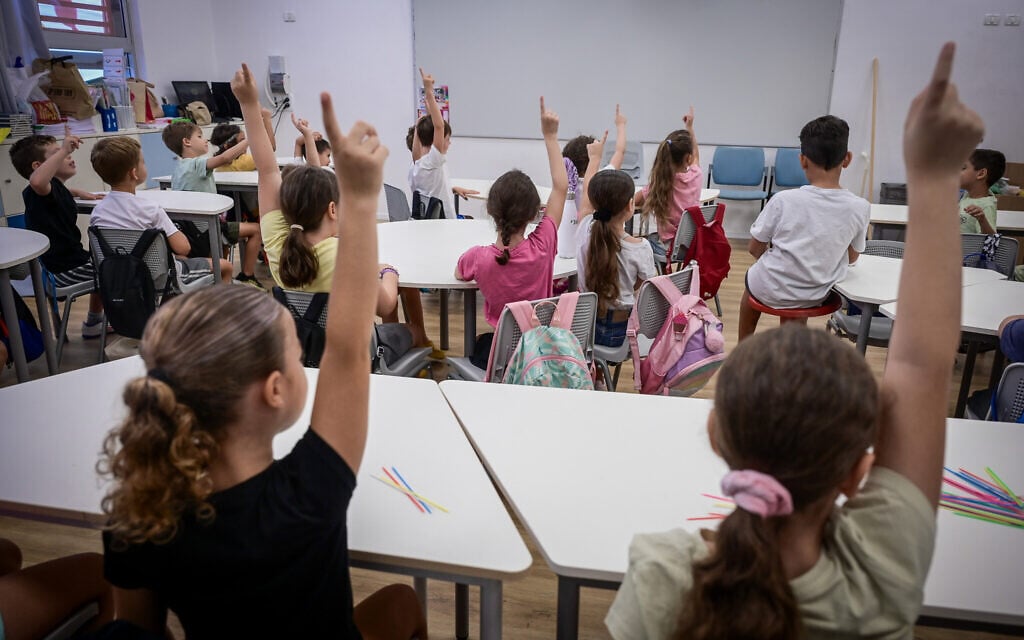
When prompted with “how” questions that encourage step-by-step reasoning, 68 percent of children as young as second grade were able to devise plausible solutions to surprisingly sophisticated science questions, according to Israeli and Greek researchers.
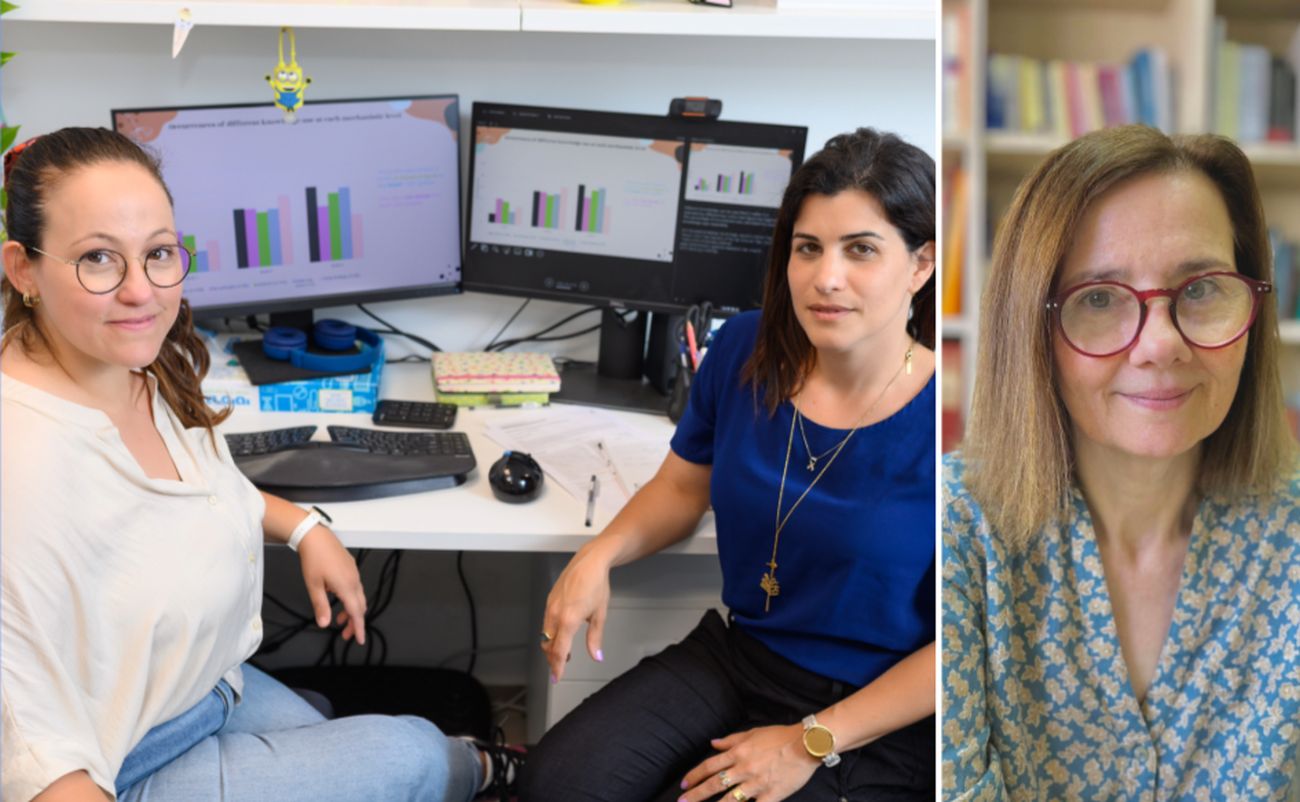
The peer-reviewed research, led by Prof. Michal Haskel-Ittah of the Weizmann Institute of Science’s Science Teaching Department, PhD student Yael Shtechman, and Prof. Marida Ergazaki of the University of Patras in Greece, showed that seven-year-olds could come up with detailed scientific explanations for biological phenomena if they were asked questions that fostered thinking about sequential physical processes.
In contrast, traditional “why” questions often led children to focus on something’s function rather than developing deeper analytical thinking.
0:00 / 0:00
Promoted: Nefesh B'Nefesh - Aliyah is Now

For example, when asked “how” a blowfish inflates, 68 percent of the study’s 50 children in second through sixth grade explained the process using a logical chain of cause, process, and effect. When they were asked “why” a blowfish inflates, the children offered simpler answers, such as to keep predators away.
“A majority of children in our study could produce explanations that highlight the underlying factors and relationships of biological phenomena, and this included second graders,” Haskel-Ittah told The Times of Israel in a Zoom call. “They didn’t always have the biological facts right, but the structure of their mechanistic thinking was there.”
Get The Times of Israel's Daily Edition by email and never miss our top stories
By signing up, you agree to the terms
By shifting the focus to how things work, the study, published in The Journal of the Learning Sciences, can offer a teaching strategy to help students improve their cause-and-effect thinking.
“If kids are only praised for getting the answer right, they’ll learn to repeat what they’ve memorized,” Haskel-Ittah added. “But if we also highlight how they arrived at that answer – even when it’s not scientifically accurate – we’re encouraging good thinking processes.”
Learning to answer with mechanistic explanations
Haskel-Ittah researches “not only science but also the philosophy of science,” she said. “And in the philosophy of science, when people talk about mechanisms in biology, they talk about ‘how’ questions.”
She explained that in the late 1990s and early 2000s, scientists began investigating the way children explain biological phenomena.
Answers that establish the link between cause and effect, and explore the underlying factors that give rise to various phenomena, are known as mechanistic explanations.
Non-mechanistic explanations, known as teleological, describe a phenomenon’s purpose but do not require a child to consider how nature actually operates.
In the study, the research team wanted to explore whether children have the tools to think like scientists, and how they reacted when they received different kinds of explanations.
First, each child explained a biological process that they had thought up, in their own words, such as how a blowfish puffs up. Then, they were shown competing explanations for these natural phenomena and asked to evaluate which ones were best.
Haskel-Ittah said she wanted to explore whether asking “how” questions could prompt children to start constructing logical, step-by-step reasoning.
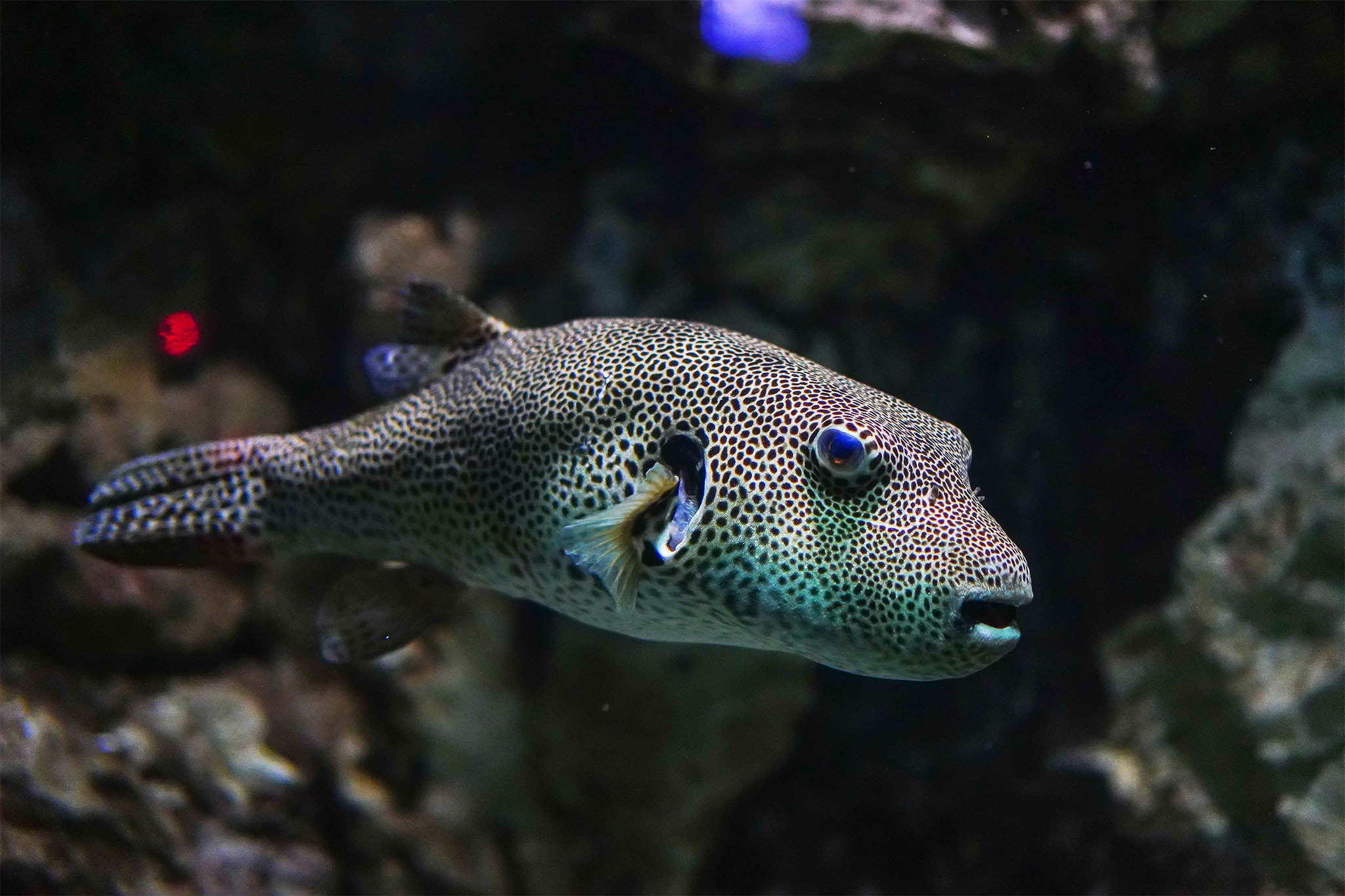
How, and not why, does a blowfish puff up?
When asked “why” a blowfish inflates, the children typically provided teleological answers, saying that the fish expands so it will not get eaten, or it puffs up to look like a giant monster.
However, when the children were prompted with “how” the fish blow up, they tried to figure out the actual biological process, sometimes drawing on their own experiences or things they had heard.
She recounted that one child had a “brilliant idea” that when the blowfish is scared, “its heart starts beating very fast, and there is something like a spring inside that shrinks, and then the whole blowfish inflates.”
While the answer might be wrong, it showed creative thinking, she said.
The children in the study were roughly divided between girls and boys. The researchers said they could not see any differences between the sexes.
“It doesn’t mean that there are no differences, but in our case, we couldn’t see anything that is very significant,” she said.
The research can improve Israeli students’ learning skills
Haskel-Ittah discussed whether the study could be used to improve the Israeli school system, where students scored below average in reading, math, and science in the latest round of international testing.
“I think it’s very important to allow students to think on their own,” she said. “Teachers should emphasize not just the correct answers, but also the answers that include a mechanism.”
When she teaches science teachers at Weizmann, she suggests they pose “how” questions about topics their students have never before studied.
“At first, teachers are reluctant to ask students something they haven’t yet taught them,” Haskel-Ittah said. “But the teachers are always amazed because students come back with well-structured, creative explanations.”
By leveraging intuitive reasoning skills, she said that educators can lay a stronger foundation for critical thinking.
“This is exactly what scientists do,” she said. “They have different ideas. They conduct experiments, and eventually, a hypothesis will be proven right or wrong.”
“We emphasize correctness in the school system,” she said. “But we also need to help children practice reasoning skills before guiding them toward scientifically accurate concepts.”
Helping people with critical reasoning

“The study’s strength lies in its questioning strategy,” Prof. Iris Tabak, associate professor of the Learning Sciences in the School of Education, Ben-Gurion University of the Negev, told The Times of Israel.
Tabak was not involved in the research.
“The present findings suggest that even some second graders could expand their functional explanations to include mechanisms,” she said.
While Tabak emphasized that more research is needed on a larger group of children, “cultivating mechanistic reasoning can provide K-12 graduates with a tool for critically evaluating popular reports,” she said. “Suppose a report warns against sunscreen because of a correlation between sunscreen and melanoma.”
Instead of drawing a correlation between these two occurrences, “people could use mechanistic reasoning to conjecture that those with greater sun exposure or more sun-sensitive skin can be more likely to use sunscreen, and at the same time, they are more likely to develop melanoma.”
In other words, critical cause-and-effect reasoning can prevent people from drawing false conclusions from misleading statements.
“Routinely asking how a proposed cause could produce an observed effect is an element of critical vigilance,” she said.
Haskel-Ittah said that developing critical thinking skills is increasingly vital today, when information is instantly accessible.
“AI will give children information immediately,” she said. “But it might include what we call black boxes, where the internal workings of something are completely hidden or unknown. When children identify these black boxes, they can ask further questions. As an individual, you need to be able to think and reflect on the parts that you do not understand.”
KioskNews shows a cleaned-up reading view extracted from the publisher’s page — the original always lives on their site, not ours.