This Diwali, don’t light up the lung, weigh down the heart
Air pollution contributes to insulin resistance and vascular injury. Excess sugar and unhealthy fats drive inflammation. Sleep disruption, alcohol and the ordinary stress of the season amplify both. The result is a short, concentrated period in which the conditions that already account for a large share of India’s disease burden are allowed to accelerate
A few practical shifts are available to households and local authorities. Lighting oil lamps rather than bursting firecrackers preserves the visual and symbolic core of the festival while sharply reducing particulate emissions; it also sustains traditional potters. (File)
3 min readNov 7, 2026 07:00 AM IST First published on: Nov 7, 2026 at 07:00 AM IST
The Rig Veda reminds us that the lamp is the supreme light of consciousness. Diwali was meant to mark the victory of light over darkness, not to fill our skies with sulphur and our plates with excess the body cannot absorb. This year, it arrives against the backdrop of India’s rising burden of non-communicable diseases. The question is what we are willing to accept in the name of celebration. Two pressures converge: The food we eat and the air we breathe. Both are now measurable drivers of diabetes, heart disease, lung disease and metabolic deterioration. Neither needs to be abandoned. Both need to be reclaimed.
For many families, Diwali sweets have shifted from occasional prasad to a multi-day pattern of high-sugar, high-fat foods prepared in reused oils. In a country with over 100 million people living with diabetes and several hundred million more at high risk, and where polycystic ovary syndrome affects a substantial share of young women, this pattern is not neutral. Clinics see the same sequence every year: A rise in glucose levels, triglycerides, blood pressure and weight that does not fully reverse.
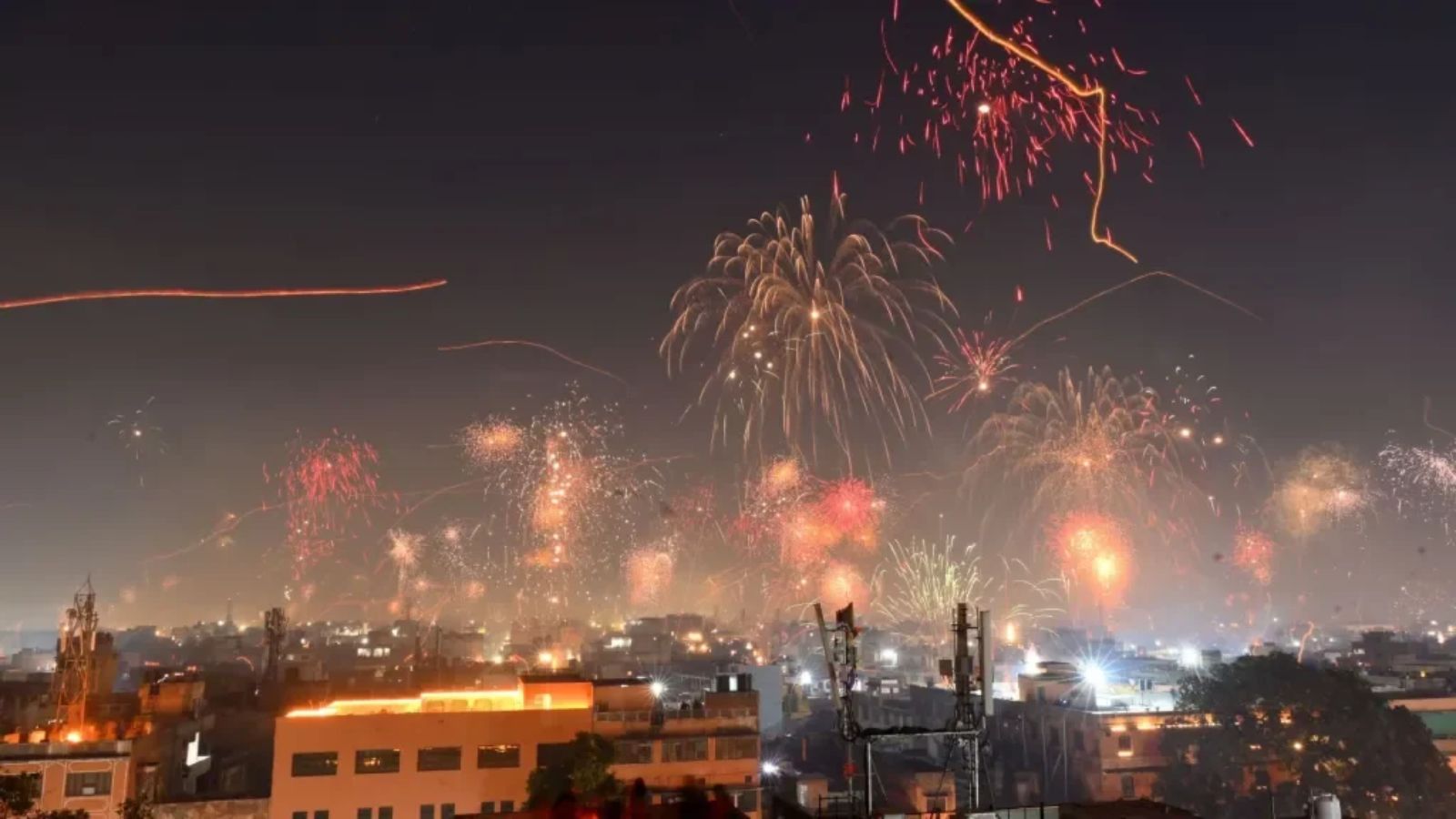
The second pressure is the air. Firecrackers produce sharp, multi-fold rises in fine particulate matter and other pollutants within hours. People with asthma, chronic lung disease, heart disease or diabetes experience higher rates of breathlessness, emergency visits and cardiac events in the days that follow.
These two exposures do not act in isolation. Air pollution contributes to insulin resistance and vascular injury. Excess sugar and unhealthy fats drive inflammation. Sleep disruption, alcohol and the ordinary stress of the season amplify both. The result is a short, concentrated period in which the conditions that already account for a large share of India’s disease burden are allowed to accelerate. Public-health campaigns that speak of a healthier India cannot treat this week as an exception.
A few practical shifts are available to households and local authorities. Lighting oil lamps rather than bursting firecrackers preserves the visual and symbolic core of the festival while sharply reducing particulate emissions; it also sustains traditional potters. Limiting mithai to a small, defined amount each day, and preferring preparations based on besan, ragi, nuts or dates over those heavy in maida, khoya and deep-frying, keeps the pleasure without the sustained glycaemic and lipid burden. Municipalities and housing societies can designate quieter, lower-emission zones and support community light displays that do not rely on combustion. Clear, tobacco-style health warnings on high-sugar sweets and on firecrackers would treat these products with the same candour already applied to other recognised health risks.
Diwali marks the defeat of forces that diminish life. The contemporary forces that diminish life most widely are not only external; they include the patterns of consumption and emission that we have normalised. We can still light the lamps that the tradition actually asked for. We can still share food that nourishes rather than burdens. The choice is available this year, as it is every year. The light that matters most is the one that does not leave soot in the lungs of the next generation.
Shubh Deepavali.
The writer is an endocrinologist and public health physician based in Mumbai
KioskNews shows a cleaned-up reading view extracted from the publisher’s page — the original always lives on their site, not ours.