For protesters and police at Jantar Mantar, lessons from Nana Patekar films
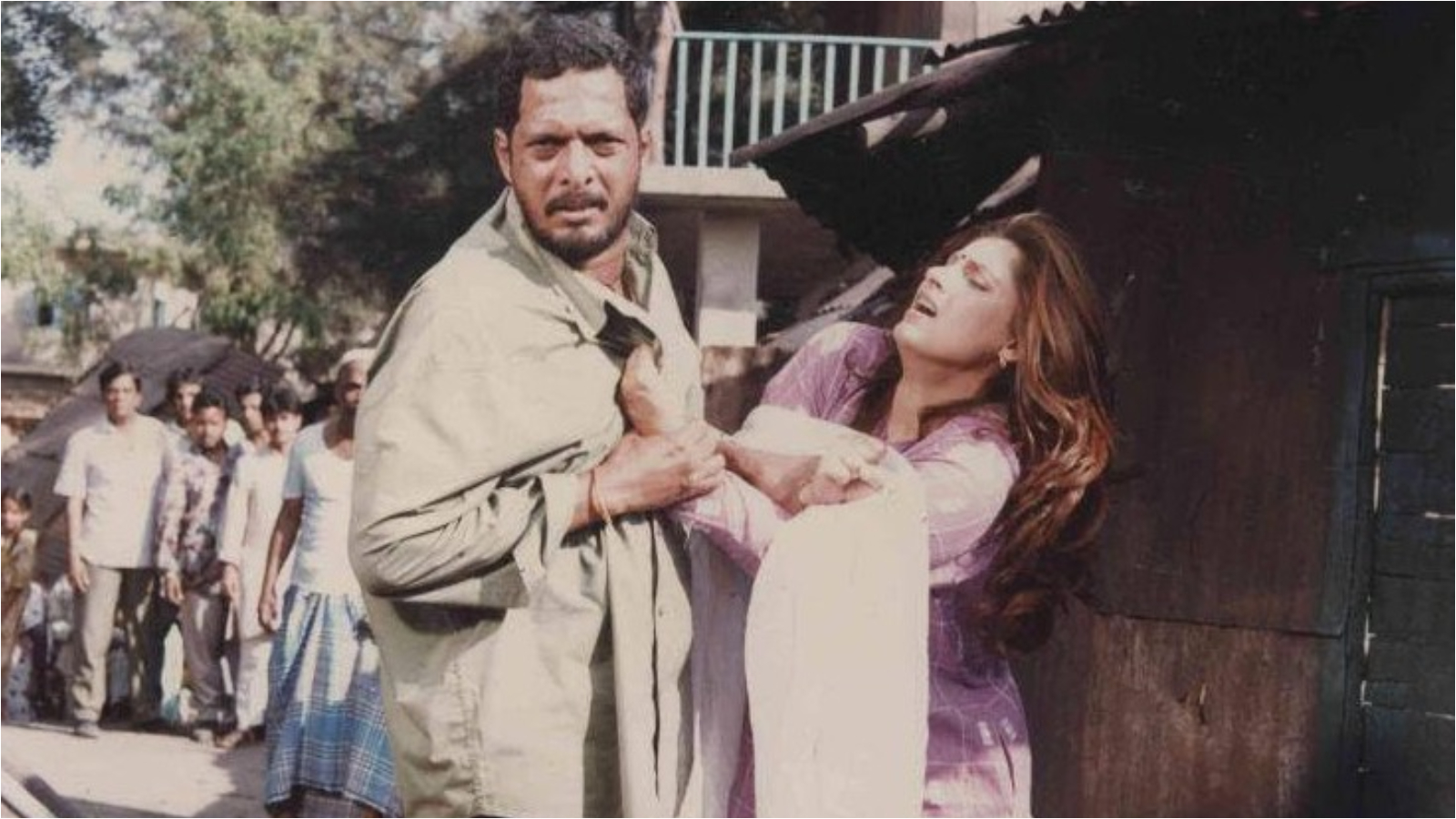
Nana Patekar’s films dramatise the citizen’s fury at power. Their deeper lesson is about what must come after the fury.
Patekar rarely played men at ease with the world. His characters were angry, wounded, sometimes unreasonable, and impatient with the distance between what institutions promise and what citizens experience. Three decades after Krantiveer (1994), that anger echoes in India’s debates over electoral accountability, protest, and state power, including the ongoing protests in Delhi demanding the resignation of Chief Election Commissioner Gyanesh Kumar.
Patekar’s films will not settle that dispute. Instead, they offer a way to see how popular imagination pictures the citizen facing authority, and where that picture falls short.
In Krantiveer, Patekar’s Pratap Narayan Tilak is an unlikely crusader against corruption and communal hatred. The anger is theatrical, the methods confrontational, the faith in institutions frayed. Its rejection of communal division still speaks to a climate where disagreement quickly becomes a contest over identity and loyalty.
But the film raises a question its confrontations tend to obscure: Is moral outrage enough to produce accountability? Cinema compresses a complicated injustice into a speech and a moment of revelation. Democracy rarely offers such resolutions. Institutions need evidence, procedure, scrutiny and room for correction. Anger can expose a problem. It cannot, on its own, prove every allegation or prescribe the remedy.
That distinction matters now. Critics of the electoral-roll revision have raised concerns about voter inclusion and institutional accountability, while the Election Commission defends the exercise as a necessary updating of the rolls. Those claims deserve examination on their evidence.
So does the dispute over the demonstration. The organisers say they submitted an intimation to Delhi Police, not a request for permission, and reports differ on whether the gathering has been allowed. The group also alleges that Maharashtra police pressed its volunteers not to travel; police there call the notices routine and preventive. Neither account should be exempt from scrutiny.
Prahaar (1991) explores a different tension, between conviction and institutional discipline. Patekar’s army officer lives where duty, violence and conscience collide, and the film refuses the comfort that good intentions justify any act. Discipline matters, but it cannot replace judgement.
That is a useful lens for policing. Maintaining public order is a legitimate responsibility, and no demonstration is exempt from reasonable safety requirements. But that responsibility does not make every restriction self-justifying. The questions are about reasons, proportionality, consistency and less restrictive alternatives. The principle cuts both ways: A legitimate grievance does not excuse protesters from acting peacefully and following lawful directions.
Ab Tak Chhappan (2004) casts him as a police officer whose duty is tangled with institutional pressure. The film moves our attention from the individual to the structure, cautioning against reducing any controversy to heroic protesters versus villainous police, or responsible authorities versus unruly crowds. The harder task is to examine the rules, incentives and accountability mechanisms that shape everyone’s conduct.
Raajneeti (2010) strips politics of its romantic vocabulary and lays bare ambition, loyalty, family and calculation. Its cynicism is instructive, but it should not harden into a theory of democracy. If every institution is presumed corrupt and every political act dismissed as manipulation, accountability loses its meaning. There is little reason to investigate wrongdoing when the verdict is already in.
Taken together, these films encourage us to hold several truths at once. Institutions need authority, but authority needs accountability. Citizens have a right to dissent, and dissent is strongest when it rests on evidence and restraint. Criticism of those who govern need not signal hostility to the country.
The sharpest contrast is between the certainty of a final reel and the unfinished nature of democratic life. On screen, an angry man delivers a speech and the moral conflict resolves. In a democracy, the speech is only where the work begins. Claims must be investigated, decisions explained, rights protected and institutions made answerable.
What would a process look like? For the roll revision, published data on deletions and reasons, open to independent audit. For protests, written and reasoned decisions on assembly, delivered early enough to be challenged in court before the date. For the Election Commission and the police alike, a willingness to be questioned in public by something more durable than a hashtag.
The question for India is not which of Patekar’s characters would have backed the CJP, the police or the Election Commission. It is whether we can keep the capacity to question all three without deciding in advance that one must be wholly right and another wholly wrong.
Cinema can give anger a voice. Democracy must give disagreement a process.
The writer is an assistant professor at Sikkim Manipal University
KioskNews shows a cleaned-up reading view extracted from the publisher’s page — the original always lives on their site, not ours.