New plan says big tunnel could fix Windermere’s sewage problem
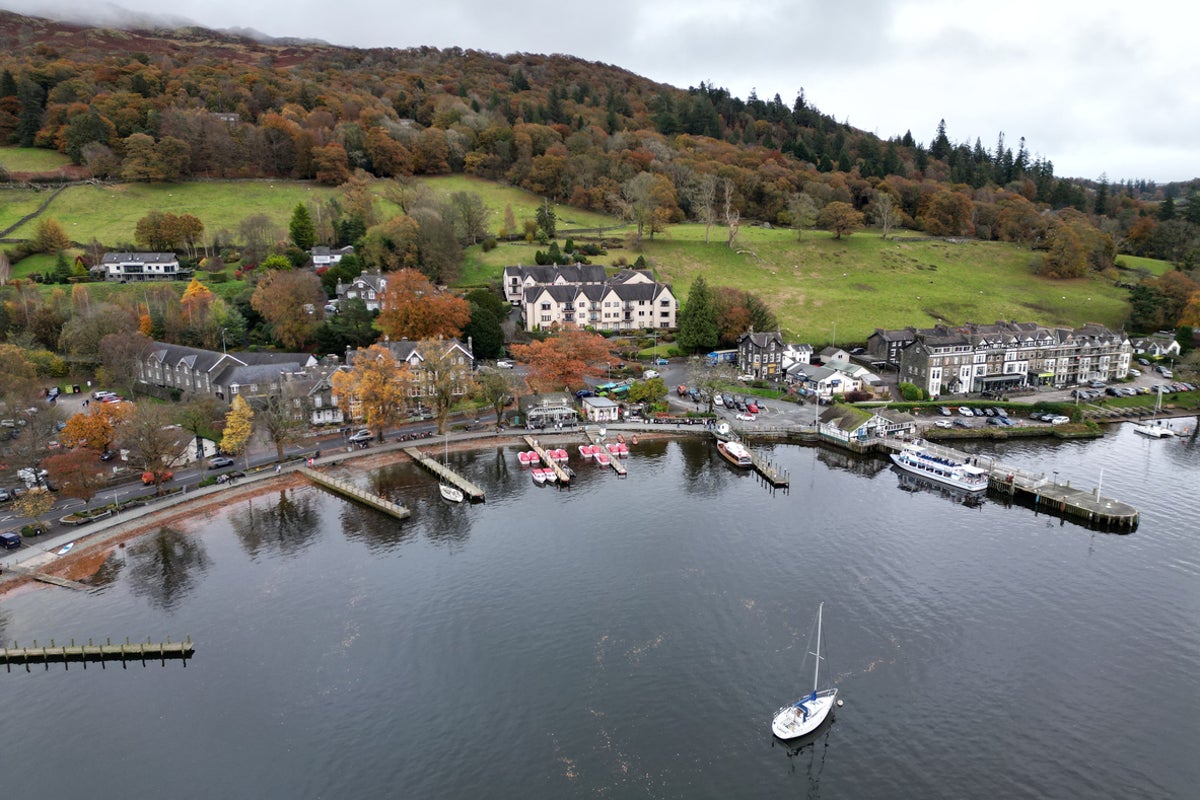
A huge tunnel has been proposed to stop sewage from being discharged into Windermere, as part of £3.6 billion plans to restore the lake’s ecology.
Plans, backed by local water company United Utilities and local campaigners, would see a tunnel approximately 10 miles long and four metres wide built to transport sewage away from the lake to state-of-the-art treatment facilities.
Campaigners, who have spent years calling for an end to sewage pollution in Windermere, have lauded the plan as an effort to strengthen the lake’s resilience and boost the local economy.
Matt Staniek, founder of Save Windermere, said: “Save Windermere has been calling for an end to sewage pollution in Windermere for five years. It is the principal driver of the environmental problems facing our lake, and eliminating it is essential to protect Windermere for future generations.
“The evidence from the report is clear: eliminating sewage pollution will tackle the most significant controllable cause of the problems we are seeing today, create the conditions for ecological recovery, strengthen the lake’s resilience to climate change and boost the local economy.”

The proposal by Only Rainwater, a coalition comprising local authorities, campaigners and United Utilities, would need government approval to go ahead. Former environment minister Steve Reed pledged that the government would work with local partners to eliminate all sewage discharges into Windermere in March last year.
As a Unesco World Heritage site, the Lake District attracts close to 18 million visitors each year. Windermere, at the heart of the district, supports internationally important habitats and species and underpins a local visitor economy worth £2.4 billion per year. The lake is also famous for its connection to a number of famous writers, from William Wordsworth to Beatrix Potter.
Louise Beardmore, chief executive of United Utilities, said that the coalition had come together with a plan that could secure the future of the lake for generations to come.
She said: “This landmark feasibility study is clear. Rising temperatures, population growth and increased rainfall demand a transformational approach to create a resilient wastewater system for the future. After assessing more than 70 options, two have been selected to progress into detailed design, with the potential to deliver lasting environmental, social, and economic benefits across the catchment.

“This is about far more than infrastructure. It's a chance to protect and restore one of the nation's greatest natural treasures through ambition, innovation and partnership. The coalition has set out a clear path forward, and we're ready to work with government, regulators, delivery partners, and local communities to take the next steps on that journey.
“Windermere is treasured by millions and is central to the lives and livelihoods of local communities. It deserves solutions that match its importance. We have an opportunity to be bold, think beyond the next investment cycle, and create a cleaner, healthier, more resilient future for this remarkable lake. That ambition isn't just possible. It's essential."
A feasibility study estimates that the investment of between £3.6 billion and £3.7 billion would generate around £7.5 billion in economic, environmental, and social benefits, equivalent to approximately £1.90 of value for every £1 invested.
The proposed tunnel was part of the Only Rainwater into Windermere Feasibility Report, described by Nigel Wilkinson, chair of Love Windermere, as “rightly ambitious”.
He said: “While there is still much work to do and important decisions ahead, the progress made over the past 15 months shows what can be achieved when organisations come together behind a common goal. This report is an important milestone, but improving the health of Windermere will continue to require collaboration, evidence-led decision-making and sustained action across the whole catchment. Everyone has a role to play in protecting and restoring this special place.”
KioskNews shows a cleaned-up reading view extracted from the publisher’s page — the original always lives on their site, not ours.