In a US-China world, Asean must do more than avoid choosing sides
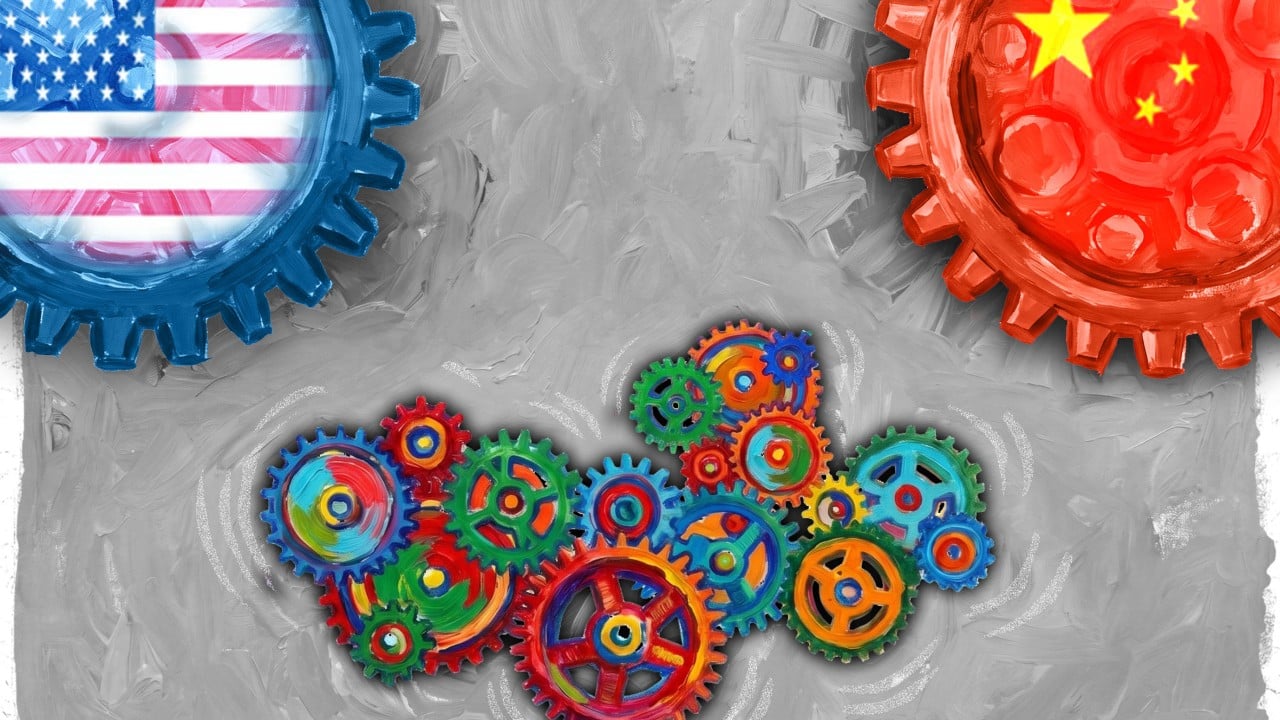
The good news is, when US President Donald Trump and Chinese President Xi Jinping met in Washington this week, neither chose confrontation. Amid the high pomp and ceremony, what China has called “constructive strategic stability” continues.
Even an uneasy truce in great power relations can be useful. Both recognise the considerable incentive to prevent their economic rivalry from spiralling out of control. Even limited understandings can reduce risks in artificial intelligence (AI) and other technologies, and many will look for mechanisms that can stabilise the relationship.
But that does not mean an end to competition. Washington and Beijing continue to differ over technology, industrial policy, security and the shape of the international order, while Iran and Taiwan remain fraught topics. They have moved away from the broad tariff war waged last year, but targeted restrictions and industrial measures continue.
The contest will play out in efforts to win influence and support across our region. As the Xi-Trump summit ends, and Asean leaders prepare for the Association of Southeast Asian Nations summit in the Philippines, the familiar question arises again: must the region choose between the two?
KioskNews shows a cleaned-up reading view extracted from the publisher’s page — the original always lives on their site, not ours.