Whale meat curry for dinner? Study of bygone seafood recipes shows how UK tastes have narrowed

In days gone by, the UK’s domestic cooks were an adventurous lot when it came to seafood, prepared to dish up anything from an oyster cocktail to whale meat curry.
But an academic investigation of more than 1,000 fish and shellfish recipes published in a lifestyle magazine over the last century suggests tastes have become much narrower. Ruth Thurstan, from the University of Exeter, studied seafood recipes published in the British version of the magazine Good Housekeeping from 1923 to the present.
She found that 67 species had been included in recipes over the last 100 years but, since the 1970s, the “big five” – cod, haddock, tuna, salmon and prawns – have dominated, accounting for more than 60% of all mentions. The number of recipes featuring delicacies such as oysters, flatfish and herring have plunged.
Thurstan said: “For decades, British cooks have turned to published recipes for inspiration about what to put on the dinner table. I wondered whether these everyday sources could tell us how our relationship with fish has changed over time.”
She said there were three broad phases:
-
Pre-1970s: A diverse mix of species in recipes. No single group ruled but flatfish, herring and oyster were prominent. Recipes emphasised domestic skills, economy and preparing whole fish.
-
The 1970s shift: A decline in diversity of fish species in recipes, with increased focus on the “big five”.
-
1980s-present: “Big five” present in the majority of recipes, with a decline of other species – though not all have vanished entirely.
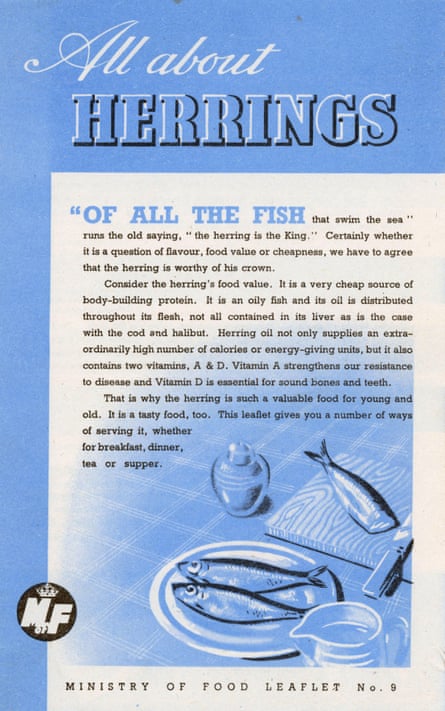
Recipes from the 1920s and 30s that Thurstan found included oyster cocktail, lobster canapes and halibut steaks in milk. The 1940s – when rationing was in force – featured recipes by the then Ministry of Food explicitly encouraging the consumption of fish and other protein sources – including a recipe for curried whale meat.
In the 1960s, recipes included plaice véronique and chilled prawn soup. Cooks of the 70s were asked to consider rustling up cod roe on toast and tuna soured cream quiche. There was also a sharp increase in recipes mentioning tinned fish.
Recipes in the 1990s featured the likes of herb-crusted salmon and prawn and peanut noodles while more “aspirational” dishes in the 2020s have included golden hasselback salmon, gochujang sticky cod and miso prawn skewers.
“The results reveal a striking story of change,” said Thurstan, whose research is conducted at the Centre for Ecology and Conservation within Exeter’s Penryn Campus in Cornwall.
“This wasn’t simply a case of fewer species being available – herring, oyster and lobster can all still be bought – but it reflects a genuine narrowing of what readers were being shown and encouraged to cook.”
According to the Marine Stewardship Council, the big five make up 80% of the fish and seafood consumed in the UK. Thurstan said this dominance carried environmental costs. She said cod, haddock and shrimp fishing, for example, could damage valuable habitats while salmon farming has come under intense scrutiny.
Thurstan said she had attempted a few of the recipes including “Fish baked in custard” from the 1920s. She said: “I tried it with pollack. While the recipe calls it a custard it isn’t sweet, so I think, perhaps with a name change, it has potential.”
She is also planning to try two 1930s recipes: oyster soup and kipper cream. The latter involves parboiling a kipper and then pounding it with melted butter, lemon juice or vinegar and cayenne until it is the consistency of a cream. “I think it would be similar to today’s mackerel paté, and just as delicious.”
The magazine Thurstan researched was originally published as British Good Housekeeping and is now Good Housekeeping UK. Once published, the paper – entitled “Declines in the diversity of fish represented in British domestic recipes over the past 100 years” – will be published in the journal People and Nature.
January 1923 – Fish baked in custard
“Purchase a slice of cod or halibut, or some filleted fish weighing about 1lb. Wipe it with a clean cloth and remove any black skin. Lay the fish in a greased and shallow baking-dish and sprinkle it with salt, a little white pepper, the grated rind of half a lemon, and a small onion finely chopped.
“Then break into a basin 1 or 2 eggs, add 2 tablespoonfuls of flour and a light seasoning of pepper and salt. Beat until smooth and add half pint fresh milk. Strain this custard over the fish, stand the dish in a tin containing some water and bake in a moderate oven until the custard is set and lightly browned (about 30 minutes). It is a good plan to baste the fish once or twice with the custard during the first part of the cooking. Potato chips or some mashed potatoes would be a good accompaniment to this dish.”
May 1934 – Potage aux huîtres
“One dozen oysters, 1 pint Court bouillon [a broth], 1 pint milk, 1 oz butter, 1 oz flour, 1 tablespoonful cream or unsweetened evaporated milk, seasoning. Oyster soup can be made with tinned oysters or fresh ones. There is no need, however, to buy the choicest variety, as the small ones answer quite well. In no circumstances should oysters be boiled, or they will become hard, leathery and indigestible.”
KioskNews shows a cleaned-up reading view extracted from the publisher’s page — the original always lives on their site, not ours.