Reparations and the UK’s role in the slave trade explained
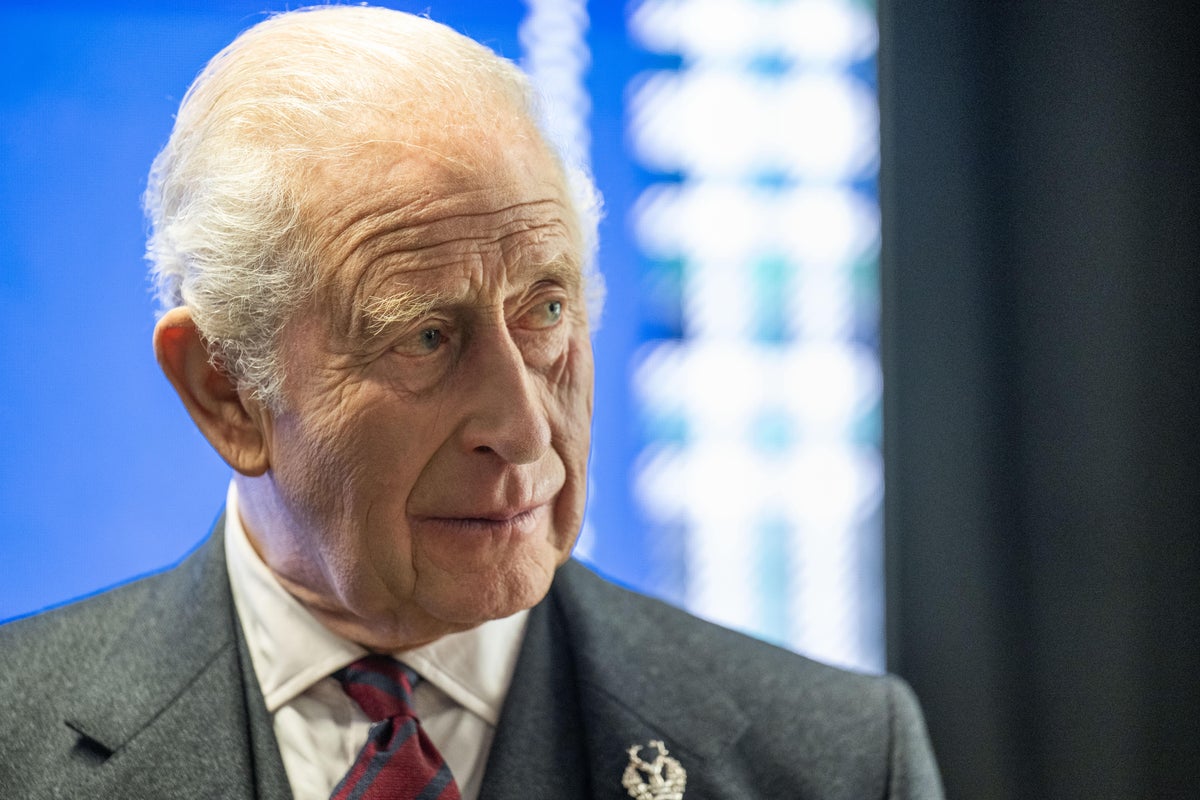
All eyes are on King Charles as he visits Antigua and Barbuda with questions remaining over whether or not he will apologise for the UK’s role in the transatlantic slave trade.
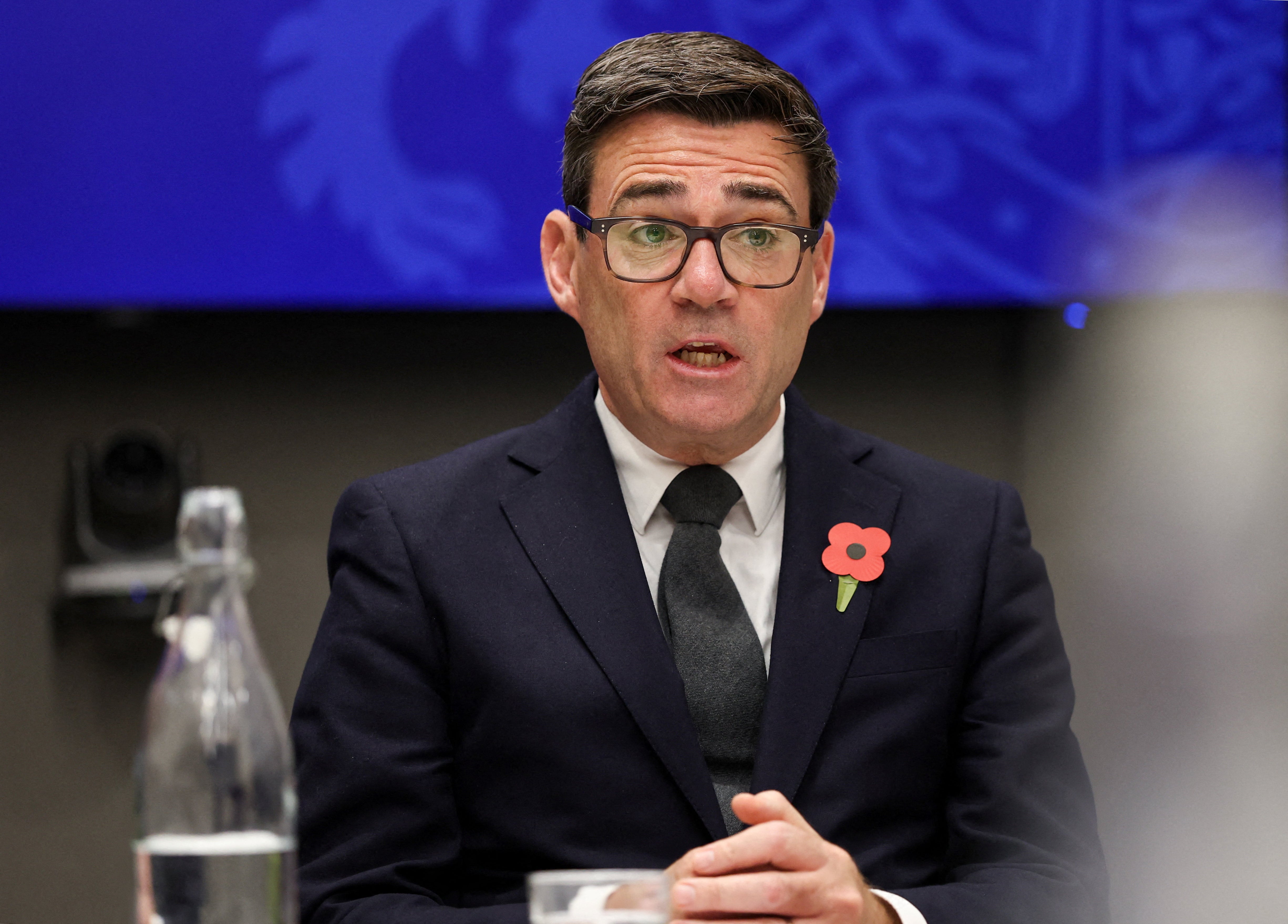
The subject of slavery is expected to dominate the Commonwealth summit on Tuesday after Andy Burnham offered a “structured dialogue” with those affected by it in the Caribbean.
“We are offering a structured dialogue with those affected by the transatlantic slave trade,” he wrote in The Guardian. “Listening to calls for a formal apology on behalf of the British state will form an important part of this process, and I am open to them.”
The prime minister expressed “my sorrow and regret for the pain and suffering of so many millions” but, in keeping with the policy of his predecessors, ruled out considering reparations.
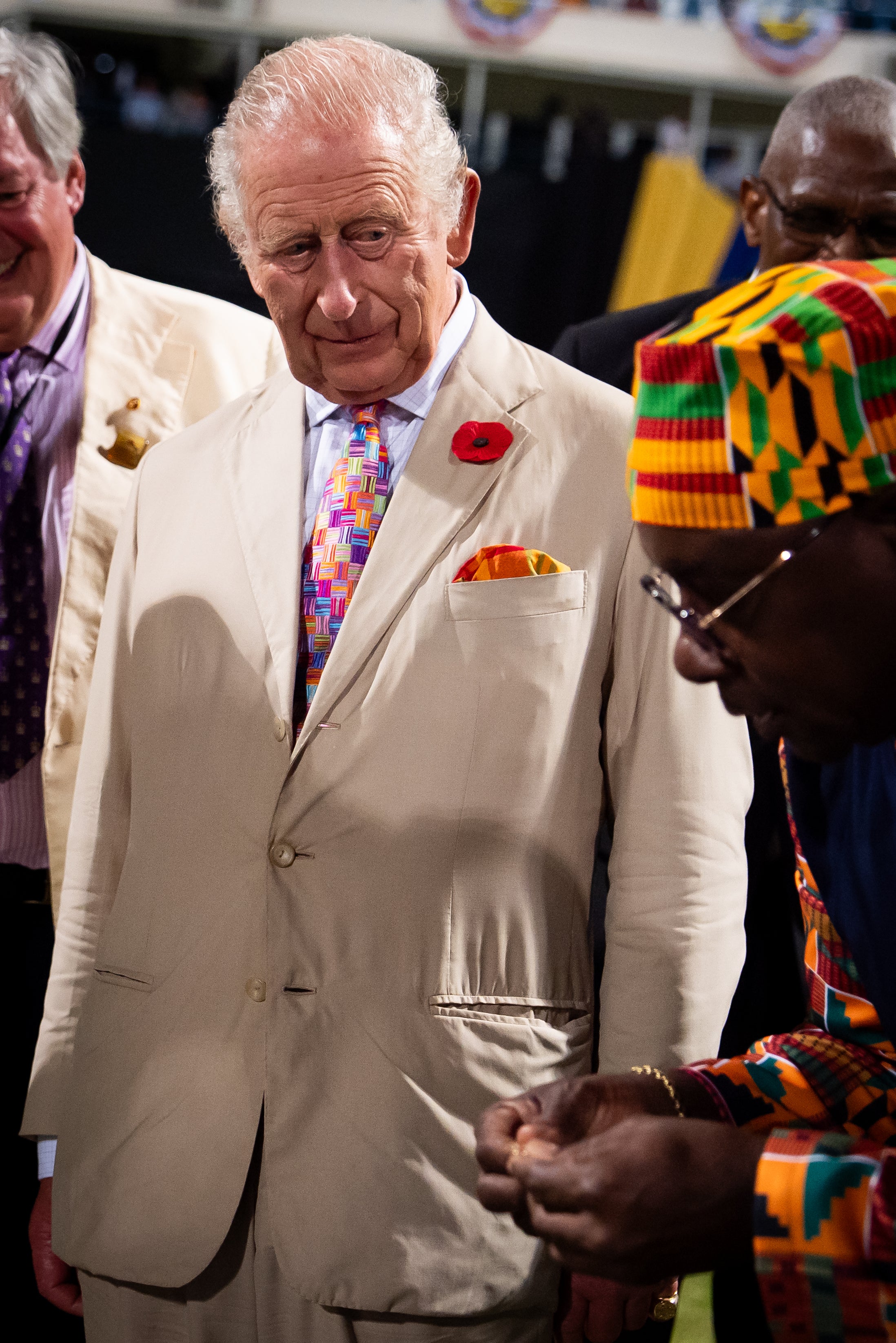
“I do not think that British people today can be held liable for historical wrongs, however heinous, that happened in a different age under different laws and in which they played no personal part,” Mr Burnham wrote, adding that he would instead seek to launch a drive on debt-servicing to help countries repay over a longer time period with better rates.
Up until now, the UK has never formally apologised for its role in the transatlantic slave trade. This is considered to be the closest a British prime minister has come to making an apology for what has been described as “the darkest days” of Britain’s past.
But leader of the opposition Kemi Badenoch has warned that the UK should not apologise for slavery as it would act as “a lever to wedge open the door to ask for cash”.
A number of Caribbean nations have made renewed calls for Britain to apologise for its role in selling enslaved people for profit, and for reparations, before the King’s tour of the region. But in order to understand this call for an apology, it’s important to recognise the history behind it – and the impact it has had on the economies of the countries looking for reparations.
Britain’s role in the slave trade
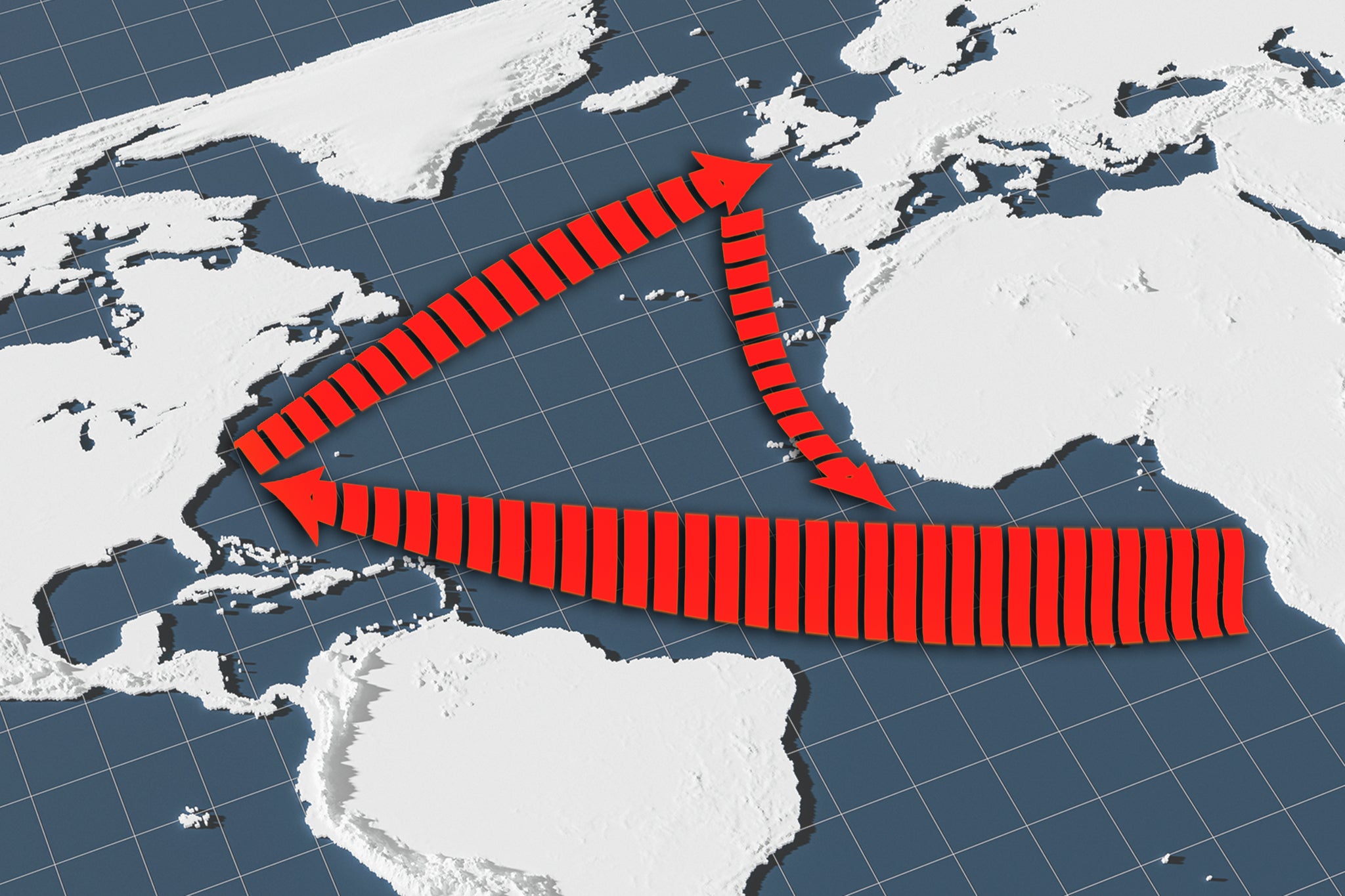
Britain became involved in the slave trade in the mid-1500s, following Portugal and Spain. Across 400 years, at least 12 million enslaved Africans were forcibly transported from West Africa to the Americas, according to the National Archives.
Traders set out of European ports towards Africa’s west coast where they bought people in exchange for goods and loaded them onto ships. While records do not establish the exact death toll at this stage of the trade triangle, scholars have estimated the mortality rate equaled that of Europe’s fourteenth century Black Death, which claimed at least 40 per cent of the population, according to the Equal Justice Initiative.
They then voyaged across the Atlantic Ocean, known as the Middle Passage, for six to eight weeks to the Americas. This journey alone, which saw those trafficked forced to lie chained and manacles for weeks on end, is estimated to have killed 14-15 per cent of those enslaved.
The Africans that survived the brutal journey across the ocean were then offloaded for sale and put to work as enslaved labour. Ships returned to Europe for goods such as sugar, coffee, tobacco, rice and cotton produced by those enslaved.
At its height, Britain was the world’s biggest slave-trading nation and forcibly transported approximately 3.4 million Africans across the Atlantic. It wasn’t until 1834 that slavery was abolished in the UK through the Slavery Abolition Act 1833. A sum of £20 million was calculated to compensate slave proprietors for the financial loss while those enslaved received nothing – this today would equate to billions. British taxpayers only finished paying off this debt in 2015.
Inside the call for reparations
Britain’s role in slavery may have ended in 1833, but the legacy has had a long-lasting impact on Caribbean countries that were formerly part of the British Empire, but are now considered Commonwealth nations and realms.
Twelve countries form the Caribbean bloc of the Commonwealth: Antigua and Barbuda, The Bahamas, Barbados, Belize, Dominica, Grenada, Guyana, Jamaica, Saint Lucia, St Kitts and Nevis, St Vincent and The Grenadines, as well as Trinidad and Tobago.
Since the sixties, these countries have all worked to gain independence from the United Kingdom but a lot of them have remained economically underdeveloped with widespread issues of illiteracy, hunger, inadequate public health facilities, and poverty.
In 2013, the Caribbean Community Caricom Reparations Commission was established to pursue reparatory justice from former European colonial powers, establishing a 10 point plan including formal apologies, investment in healthcare and education, debt cancellation, cultural restoration and programmes designed to address the enduring social and economic consequences of colonialism.
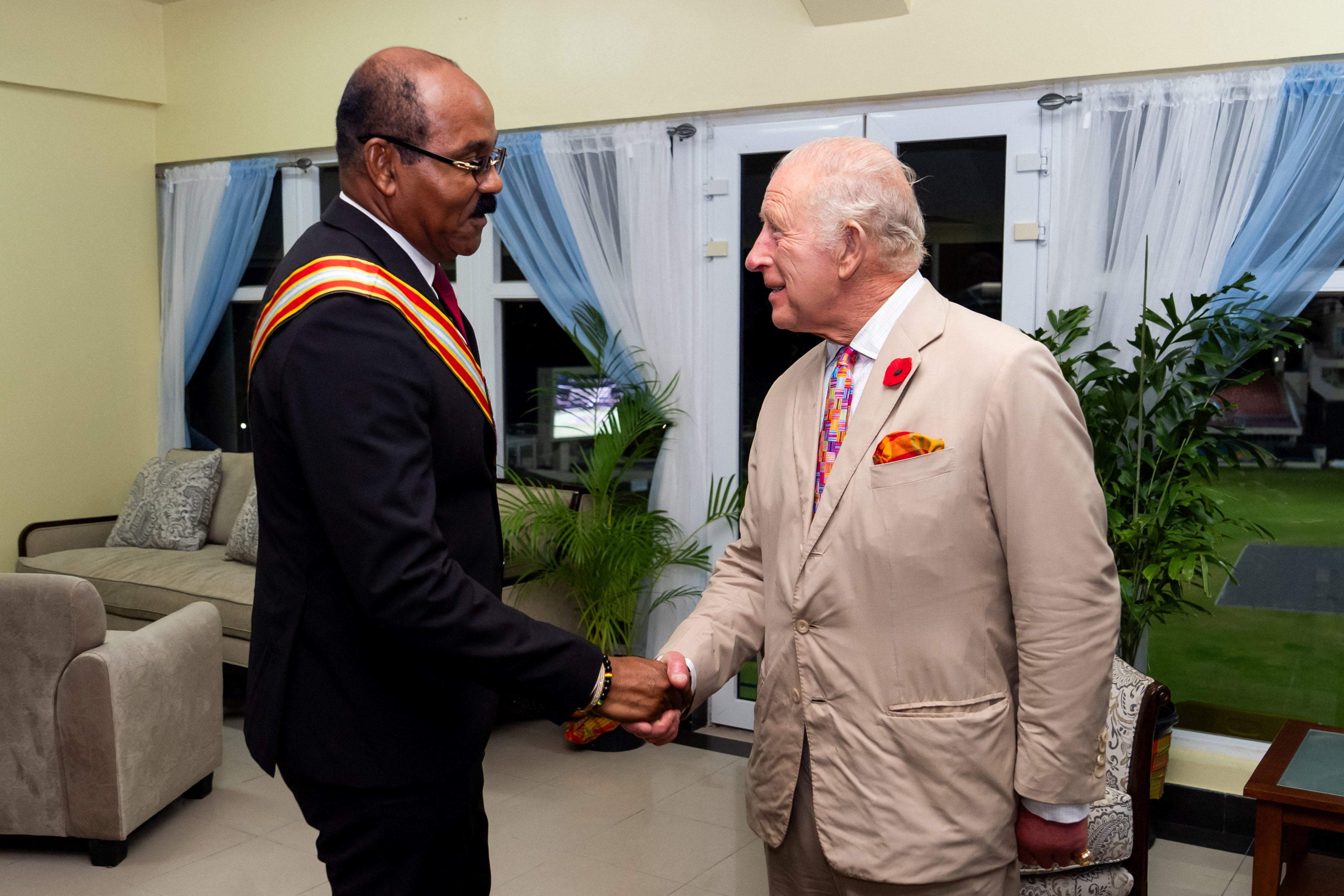
The prime minister of Antigua and Barbuda, Gaston Browne, has said if there was no compensation for the UK’s role in the transatlantic slave trade there could be a repeat of “atrocities” sometime in the future.
Mr Browne’s views echo those of fellow Caribbean leaders, with St Lucia’s prime minister Philip J Pierre, chairman of the 15-member Caricom, reportedly saying the Caribbean-based economic and political bloc was “ready to engage” in the structured dialogue Mr Burnham offered.
“No British prime minister has gone this far before… we are ready to engage,” he wrote.
But he added: “A dialogue that begins by placing reparations outside the room cannot be a complete dialogue.”
KioskNews shows a cleaned-up reading view extracted from the publisher’s page — the original always lives on their site, not ours.