Huawei predicts more smartphone price hikes due to memory crunch
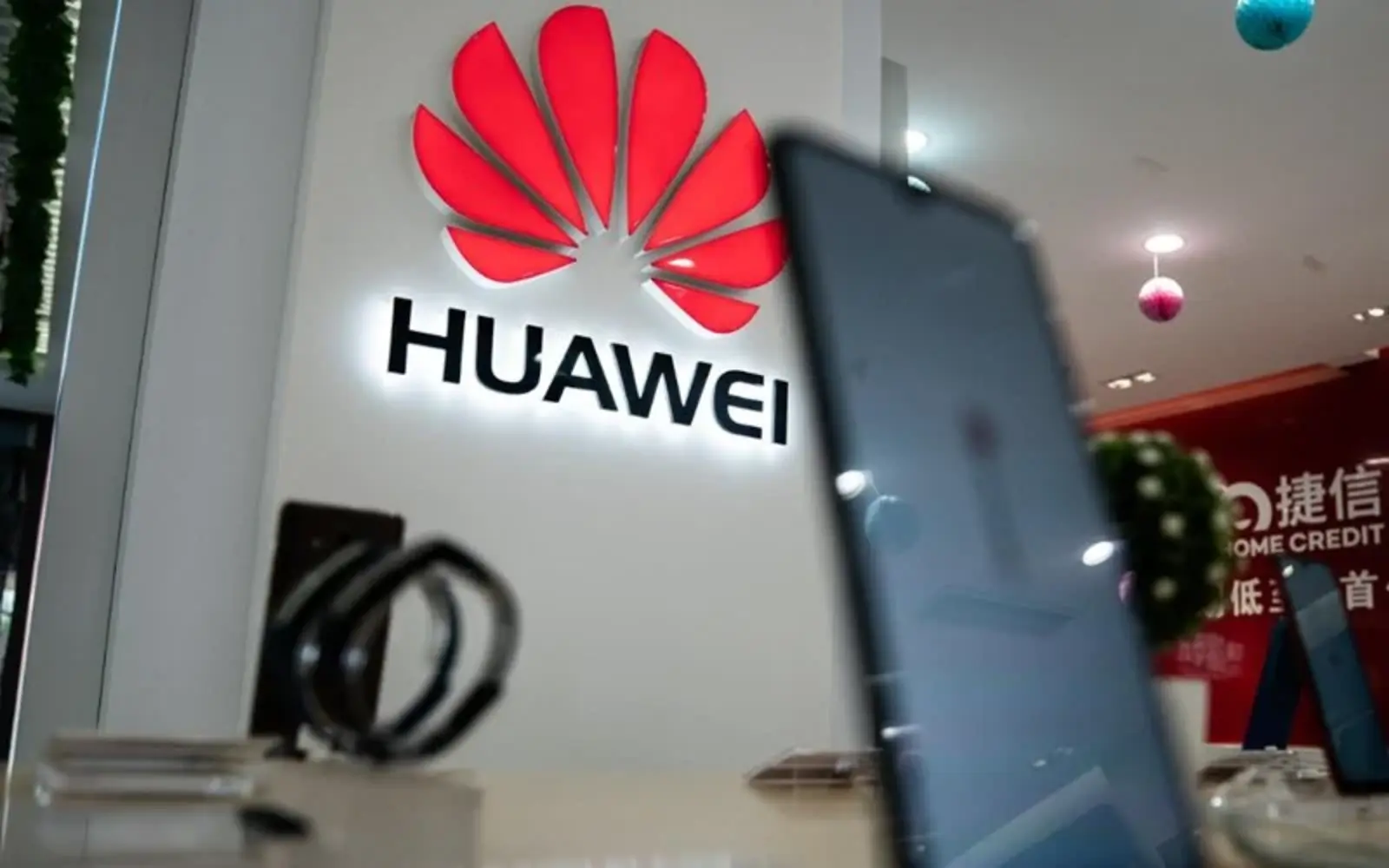
Huawei Technologies Co plans to join rivals in jacking up smartphone prices to counter rising memory costs, betting on a chips-to-software edge to protect its lead while it explores markets abroad.
The Chinese technology champion has seen an average increase of US$200 in its smartphone costs, according to Huawei’s consumer business chief Richard Yu, though he did not specify a time frame for comparison.
“We’ll have to raise prices going forward, though it will be moderate,” Yu told reporters in Shenzhen, home to Huawei, this week. “It’s hurting our profitability very badly.”
At the same time, Yu said the memory crunch will give Huawei an edge as a premium smartphone maker against budget brands. Some 230 million smartphones priced below US$200 will be wiped out by the end of this decade, market tracker Counterpoint Research recently estimated.
“Demand for low-end products will be further compressed, forcing everyone to move to the mid- and high-end segment, which is what Huawei excels at,” Yu said. “We are confident we can survive this cycle to bring more product innovation.”
Global smartphone and electronics brands from Apple Inc to Xiaomi Corp have seen their margins come under pressure this year, as an unprecedented AI buildout pushes up costs for various components. Apple, Xiaomi, and Huawei all raised pricing of their devices in September.
Amid the memory crunch, consumer demand in China has remained soft this year and weekly smartphone sales in the country have declined by double digits year-over-year since July, Counterpoint said this week.
Huawei’s net income fell 36% in the first half this year in part because it stockpiled raw materials to mitigate impact from rising costs. Telecoms and consumer electronics are two major pillars of Huawei’s core business, with each segment contributing about 40% (CK) to its total sales.
The company has largely kept its prices unchanged while domestic rivals Xiaomi and Oppo raise smartphone prices several times so far this year — a maneuver that Yu said was meant to win more customers.
The strategy seems to be working. Huawei is expected to see its smartphone shipment grow about 8% this year, while other Chinese brands are set to report declines as steep as 34% during the same period, Counterpoint said in an earlier note in August.
Huawei’s strength partly comes from popularity of its foldable phones. Yu says Apple’s entry into this category is boosting Huawei’s performance. After Apple launched iPhone Duo, Huawei’s US$1,650 Pura X Max booked a 76% jump in sales, with its total shipments reaching 1.4 million units, according to the executive.
The company aims to grow sales of its second-generation tri-fold handset Mate XT 2, which starts at US$2,980, to more than a million this year, Yu said.
Huawei is planning to ramp up sales of its premium devices outside China, in markets including the Middle East and Europe, the executive added.
The company is trying to recover its overseas smartphone business gradually, after its once robust global presence was affected by US sanctions. Washington has cut Huawei’s ties with major global companies including Taiwan Semiconductor Manufacturing Co and Alphabet Inc’s Google for smartphone chips and mobile operating systems.
That forced Huawei to create its proprietary operating system, called HarmonyOS, and produce its own mobile chips with China’s Semiconductor Manufacturing International Corp.
Huawei’s smartphones sold in China have been running on HarmonyOS since 2021, with users set to reach 100 million by end of this year. It’s now eyeing a rollout of HarmonyOS to replace open-source Android systems on its devices sold outside of China in the next few years, Yu said.
The company is also trying to offer its AI chips to a select few foreign markets, as part of Beijing’s campaign to bring China’s technology stacks to its partners in a heated race with the US for geopolitical dominance.
Subscribe to our newsletter and get news delivered to your mailbox.
KioskNews shows a cleaned-up reading view extracted from the publisher’s page — the original always lives on their site, not ours.