New Respect Orders could ban repeat antisocial behaviour offenders from public centres
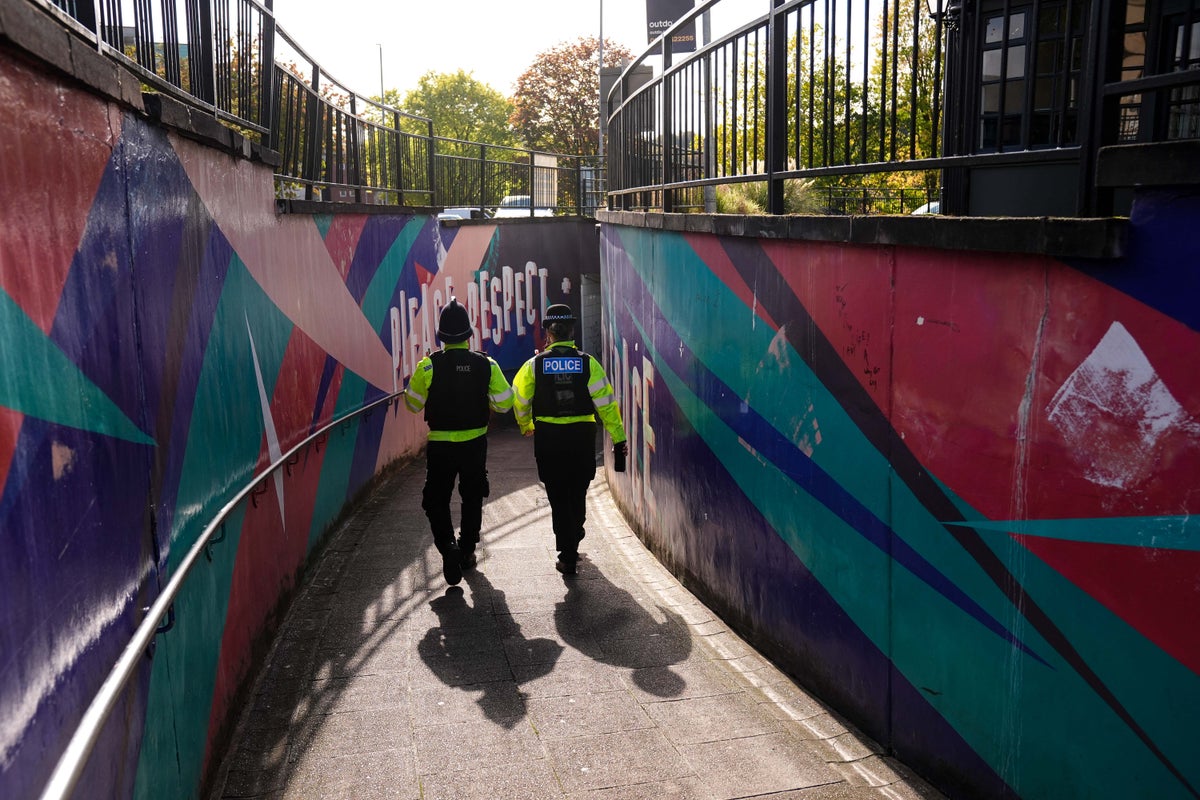
Repeated antisocial behaviour offenders may be restricted from town centres under new, tougher police powers being brought into force.
The Home Office said the new Respect Orders filled a gap in existing anti-social behaviour powers, and would give police and councils the ability to take stronger enforcement action.
As well as police and local councils, housing associations and transport networks will also be able to apply for a Respect Order under the new rules.
The Anti-social Behaviour, Crime and Policing Act 2014 classifies antisocial behaviour as “behaviour by a person which causes, or is likely to cause, harassment, alarm or distress to persons not of the same household as the person”.
The Metropolitan Police distinguish between 15 types of antisocial behaviour, including disruptive unlicensed drinking in public spaces, littering and “general nuisance behaviour”.
Frequent offenders could be hit with curfew bans, or be ordered to cease drinking in public centres, including high streets and local parks.

From Monday, breaching a Respect Order will be a criminal offence, punishable by up to two years’ jail, the Home Office said.
The orders will only apply to adults, but under-18s can still receive an existing Youth Injunction which includes both prohibitions and requirements.
Home Secretary Shabana Mahmood said: “Unchecked, anti-social behaviour blights our communities. But it is not inevitable and I won’t accept it.
“For too long, we have lacked the powers we need to deal with this problem properly. From today, that changes: authorities will be able to take tough action against these offenders.
“This delivers on a commitment we made to the British people in our manifesto. And, most importantly, those who make life a misery for others will now face the consequences of their actions.”
Catherine Akehurst, the National Police Chiefs’ Council lead for anti-social behaviour, said: “We welcome the new legislation to introduce Respect Orders, which will provide police and partner agencies additional tools to tackle anti-social behaviour, which we know can so often undermine a sense of safety in communities, erode pride in neighbourhoods, and diminish overall quality of life.
“This new tool will enable swift enforcement against prolific offenders, while prioritising rehabilitation and support to break cycles of criminal and anti-social behaviour.”
KioskNews shows a cleaned-up reading view extracted from the publisher’s page — the original always lives on their site, not ours.