Hello Kitty owner Sanrio scraps Japanese TV show Vivant deal over China backlash
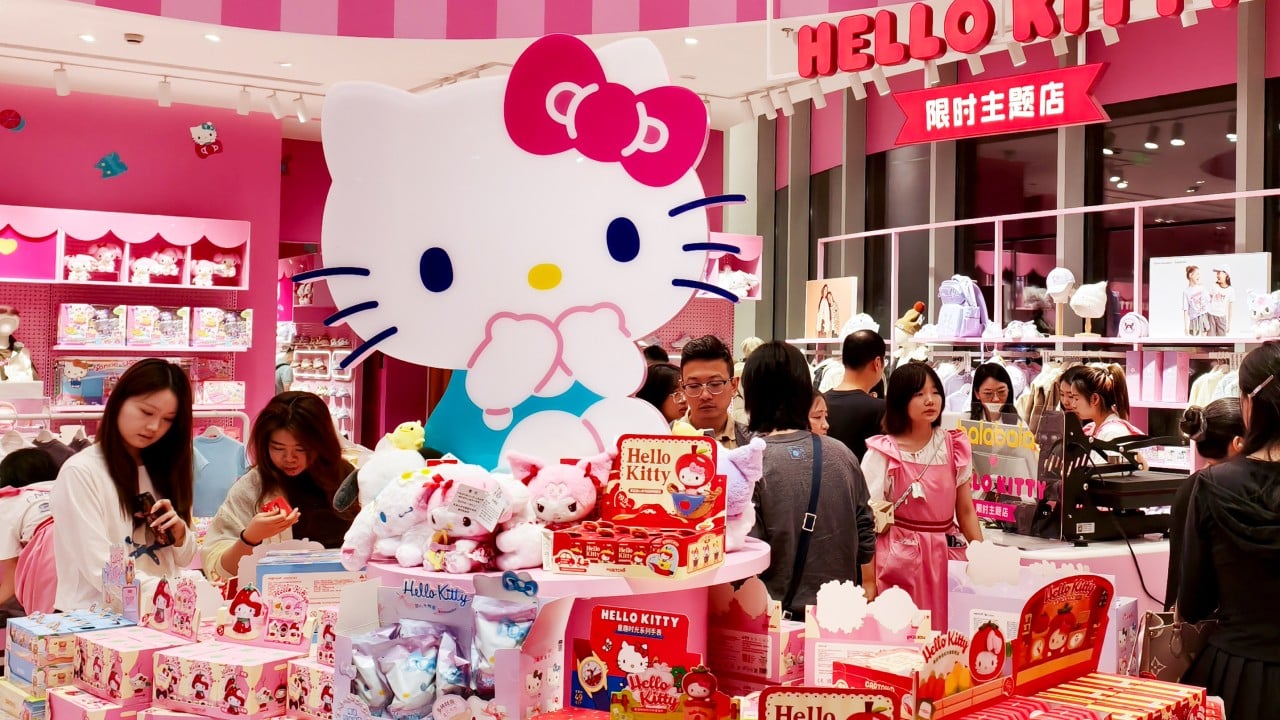
Japanese character company Sanrio, owner of popular IPs including Hello Kitty, Cinnamoroll and My Melody, has terminated its planned collaboration with the television drama Vivant following strong public criticism in China.
In an official statement released late on Wednesday evening, the company acknowledged that the Japanese spy drama contained content that “does not align with the Sanrio Group’s corporate philosophy”.
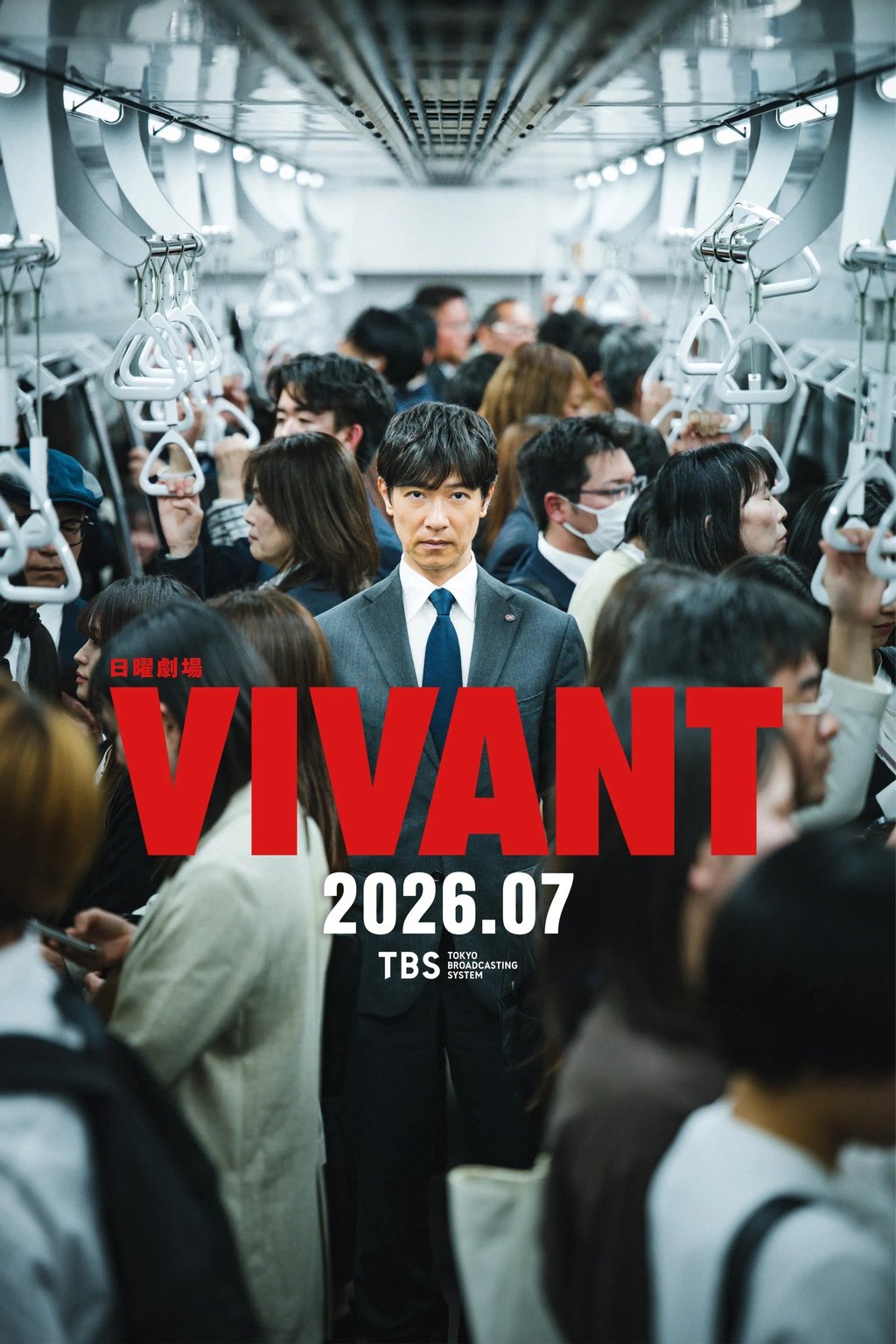
The controversial series includes scenes depicting Chinese intelligence agents torturing Japanese operatives, prompting China’s state broadcaster CCTV to accuse the show of distorting history and “deliberately smearing” Beijing.
In its statement, Sanrio confirmed that it was ceasing the current collaboration with Vivant – which premiered in 2023 and opened its second season in July – along with all related future projects and promotional campaigns.
Expressing deep regret for the public concern caused by the partnership, the company also pledged to strengthen its internal review mechanisms for all future collaborations.
Beijing’s sharp rebuke arrived amid heightened tensions with Tokyo, triggered in November by Japanese Prime Minister Sanae Takaichi’s suggestion in a speech to parliament that a Taiwan contingency could prompt Japanese military intervention.
Beijing sees Taiwan as part of China to be reunited by force if necessary. Most countries, including the United States and Japan, do not recognise Taiwan as an independent state, but Washington is opposed to any attempt to take the self-governed island by force and is committed to supplying it with weapons.
04:47
Why have Takaichi’s Taiwan comments sent China-Japan ties into a tailspin?
Long-standing geopolitical tensions between Beijing and Tokyo remain deeply rooted in Japan’s invasion of China during World War II.
According to CCTV, Vivant’s plotlines include a Chinese intelligence officer cutting off the fingers of Japanese operatives and stabbing them in the abdomen – “extremely similar to the torture inflicted by the invading Japanese army against Chinese resistance fighters”.
“The series reverses black and white by grafting [these actions] onto the image of modern Chinese people, deliberately creating conflicts and stoking hostility,” the state broadcaster said on Sunday.
Sanrio has amassed numerous fans across China with its characters defined by soft shapes and pastel color palettes that evoke warmth and comfort. Built on the core value of “getting along together”, its brand messaging consistently emphasises bridging differences and living in harmony with others.
China remains a critical overseas market for Sanrio. According to a report by the state-run newspaper Global Times, the company’s revenue in China reached 781 million yuan (US$117 million) in the first half of 2026.
KioskNews shows a cleaned-up reading view extracted from the publisher’s page — the original always lives on their site, not ours.