Beyond the Meow: How One Cairo Initiative Is Changing the Way People See Street Animals
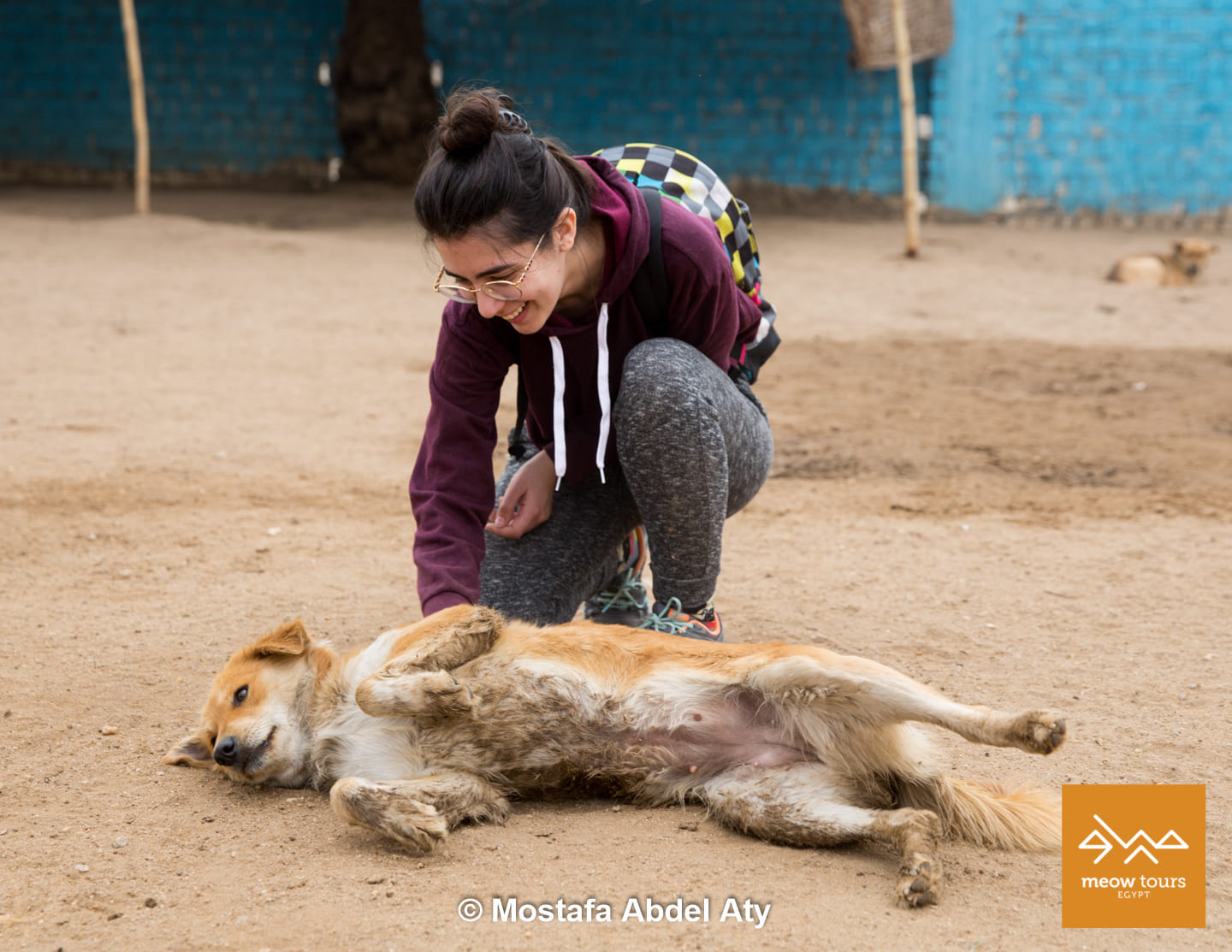
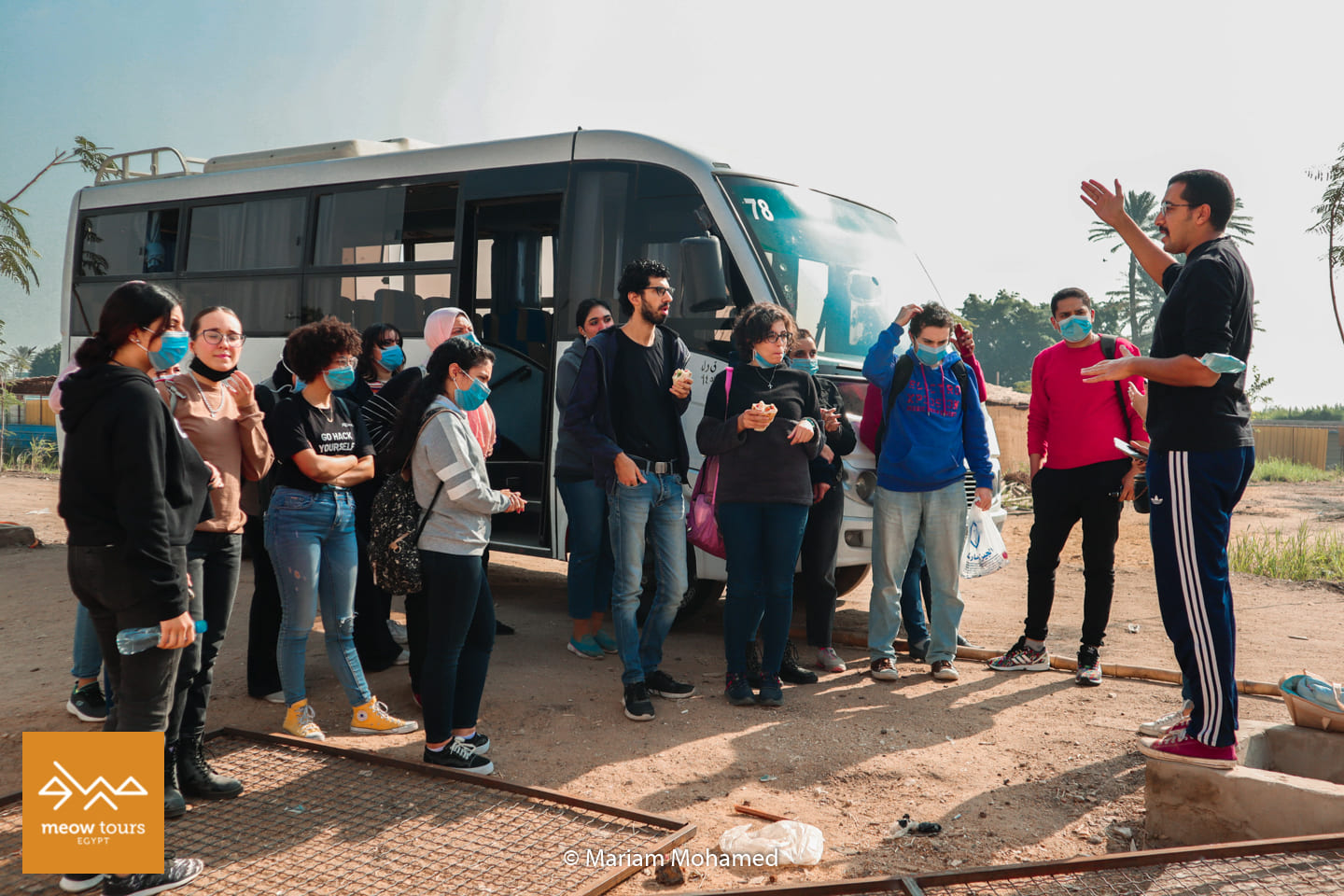
A group walks through the streets of Cairo carrying bags of food. They stop when they spot a cat beneath a parked car or a dog watching them from across the street. Some participants immediately crouch down. Others hesitate. Some are there because they love animals; others are there because they are trying to overcome a fear of them.
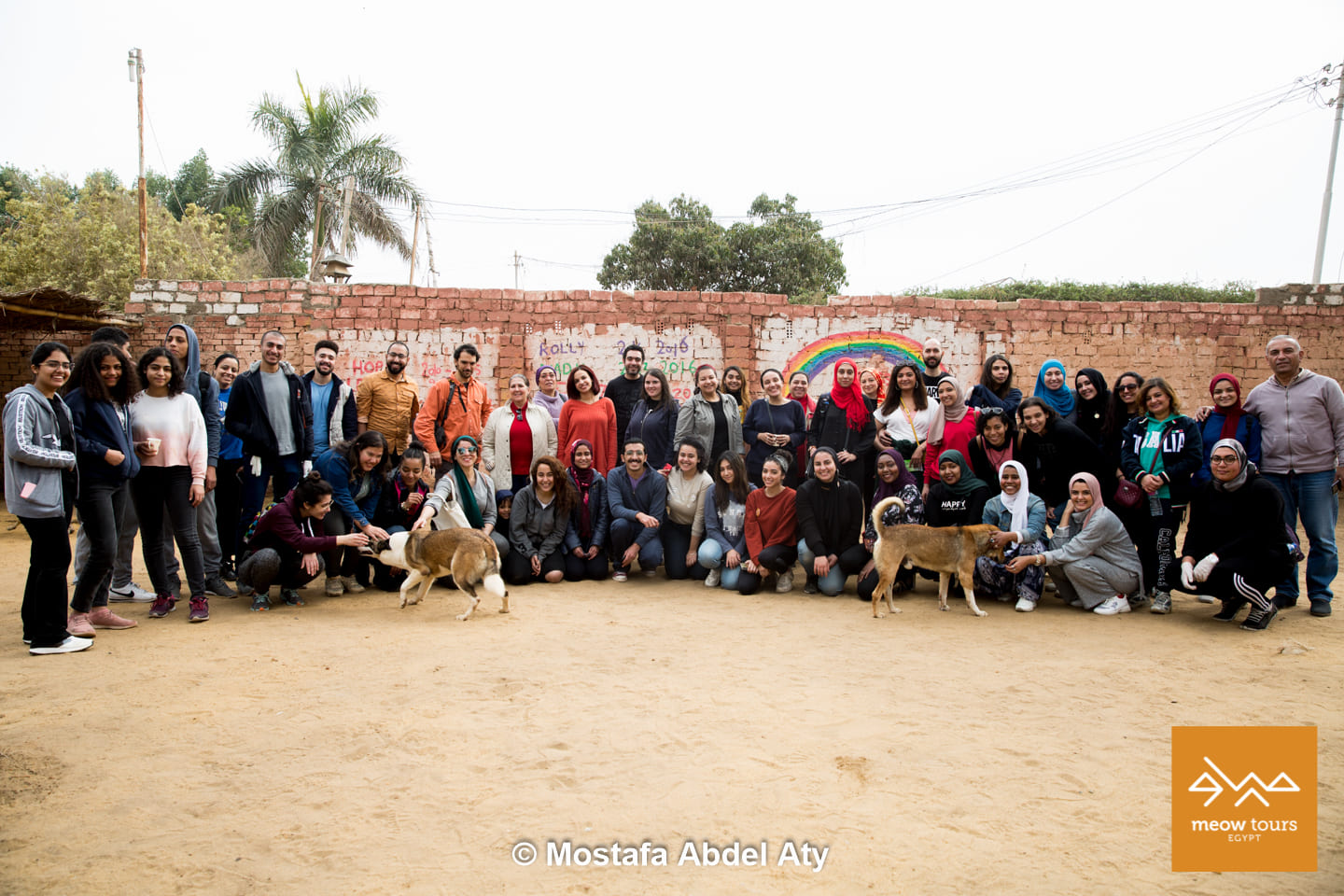
This is Meow Tours, an Egyptian animal-welfare awareness initiative founded in 2019 by photographer and visual artist Mostafa Abdel Aty. Seven years later, it evolved into a community built around feeding tours, shelter visits, educational activities, creative events and, perhaps most importantly, changing people’s relationship with animals.
For Abdel Aty, however, Meow Tours has never simply been about feeding cats and dogs.
“We try to bring people closer to animals and the environment, and have them explore and learn about them,” he says.
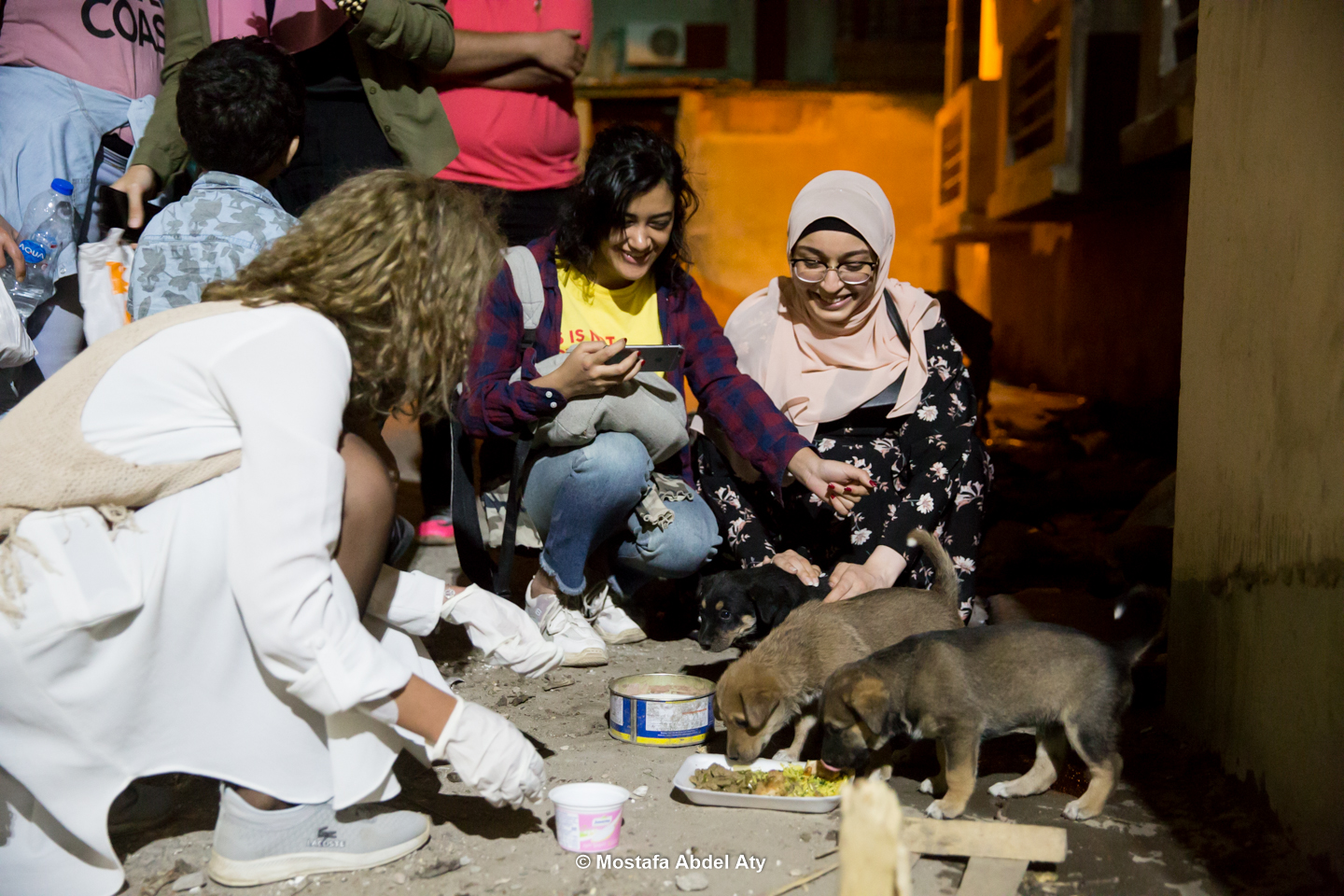
That philosophy has shaped the initiative from the beginning. The tours may put street animals at the centre of the experience, but the larger goal is to break down the barriers between people and animals, whether those barriers are fear, misunderstanding or simply never having had the opportunity to interact with them.
“It’s not necessarily about cats and dogs,” Abdel Aty explains. “It’s about all animals.”
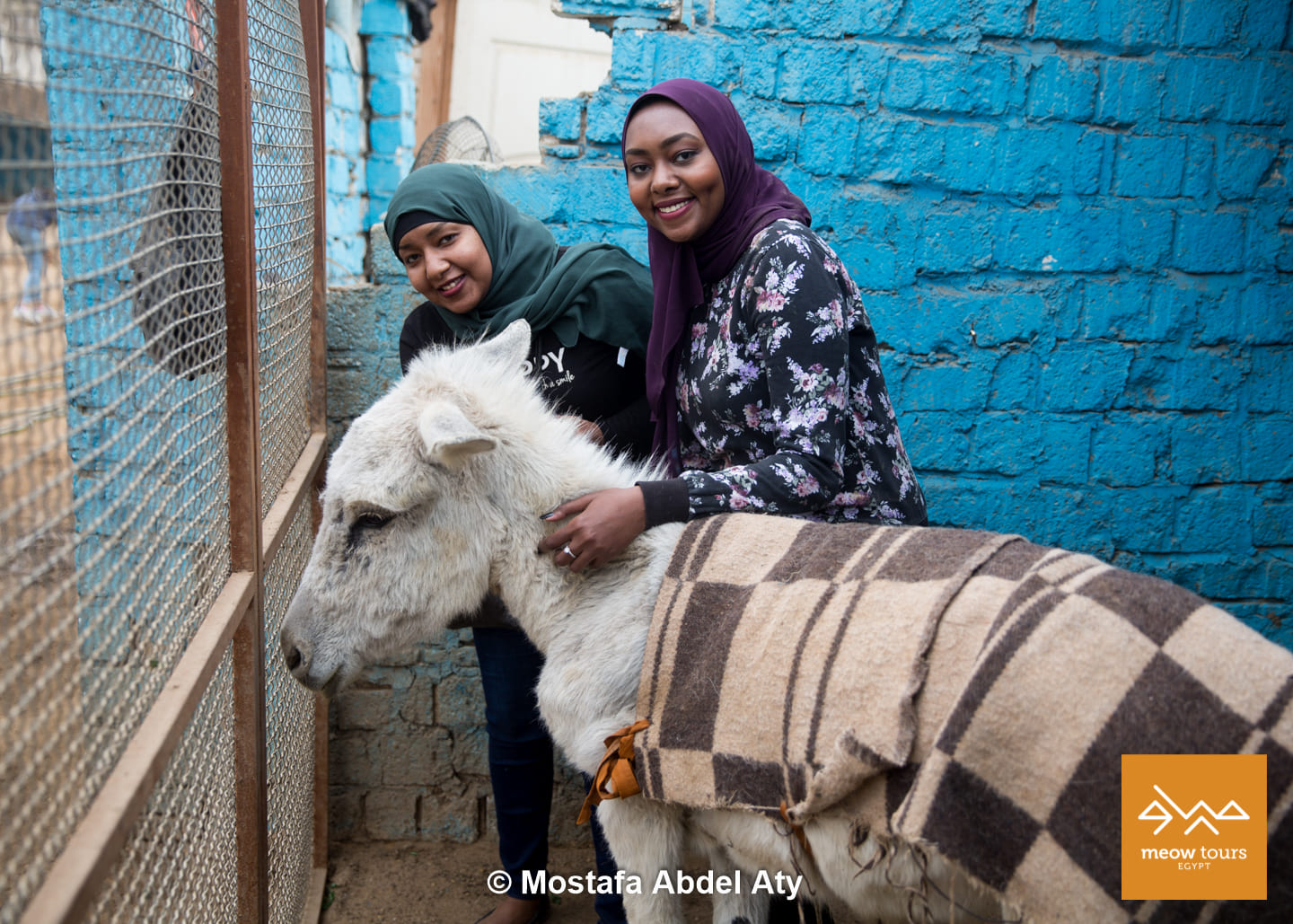
Apart from feeding tours, Meow Tours also does shelter visits. Some of those shelters care for cats and dogs. Others care for animals that might seem less obvious within the world of Meow Tours, including horses and donkeys.
For Abdel Aty, that distinction is important because he sees a contradiction in the way people relate to animals.
“Some people might love dogs but be violent with cats,” he says. “Some love dogs and cats but hit donkeys.”
That contradiction is part of what Meow Tours is trying to address.
The initiative is trying to encourage people to reconsider how they interact with animals generally and to understand them, approach them responsibly and recognise that the way an animal is perceived can determine how it is treated.
Cats and dogs have nevertheless remained the initiative’s main focus since the beginning, as they represent some of the most visible animal-welfare problems in Egypt, particularly when it comes to violence and mistreatment, according to Abdel Aty.
From Feeding Animals to Building a Community
Before Meow Tours became a community, Abdel Aty remembers what it felt like to care about animals on his own.
When he started feeding animals, he often felt as though he was doing something strange. People could make him feel like an outsider for spending time with cats and dogs in the street.
“You feel like you’re alone,” he recalls, and that is part of the reason he wanted to create something larger.
“I created a community of animal lovers,” he says.
The idea was to give people who cared about animals a place where they could meet others who shared the same feelings. It gave people a space where feeding a street cat or stopping to play with a dog was not considered unusual.
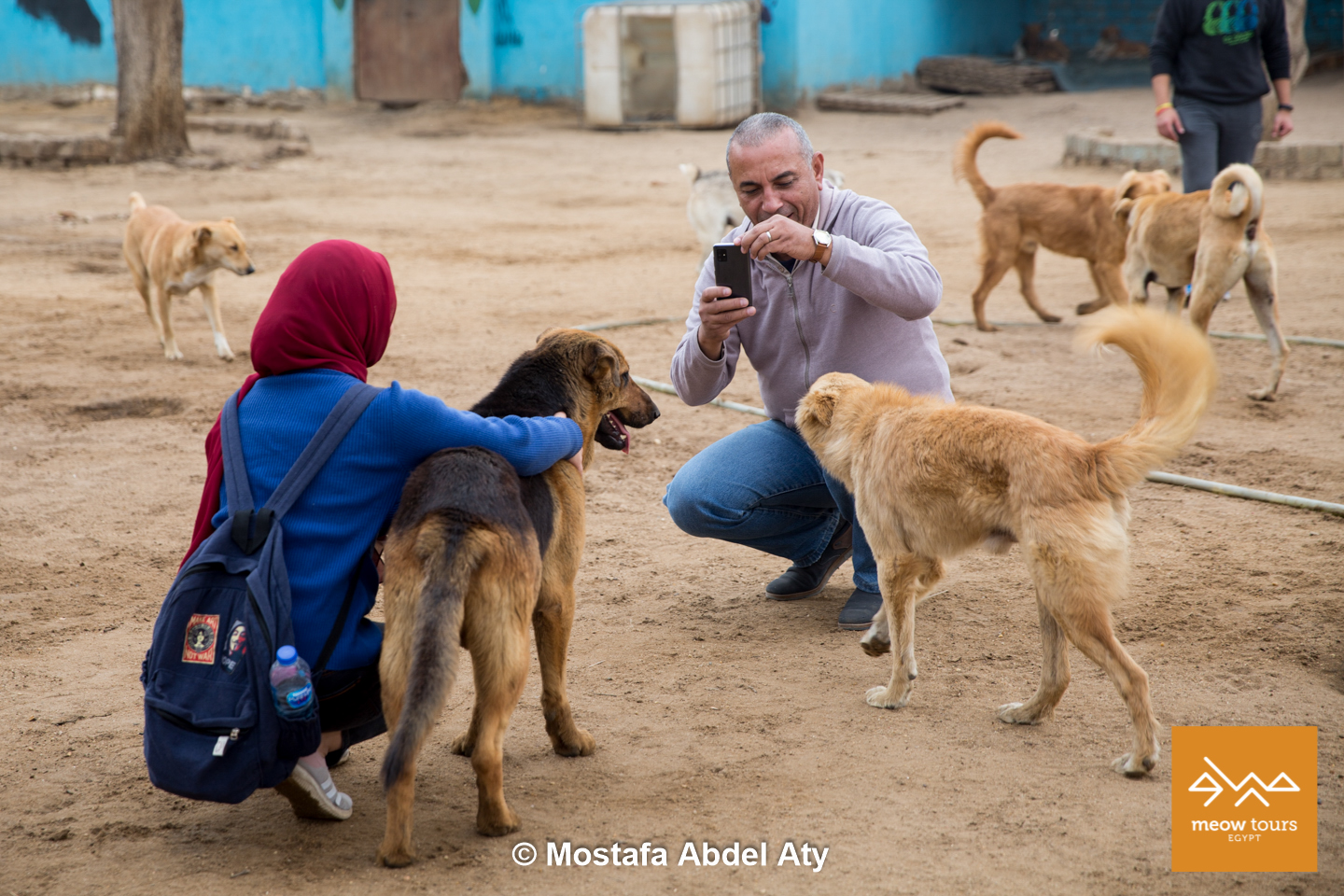
Over the years, that community has grown to include people from different age groups and backgrounds. Abdel Aty says younger people have traditionally made up a large part of the audience, including teenagers and people in their twenties, but he has increasingly seen older participants joining as well.
The tours themselves have also expanded geographically. Meow Tours has organised activities in Cairo and Alexandria and has attempted events in other Egyptian cities.
But the tours are only one part of the initiative.
There have been educational talks and workshops, as well as events designed specifically for people who are afraid of animals. Meow Tours has also experimented with creative activities, including photography, dance and yoga, using different ways of bringing people into conversations about animals.
For Abdel Aty, animal awareness does not have to happen in one particular setting or through one particular activity. What matters is creating opportunities for people to interact, learn, and reconsider what they think they know about animals.
For Those Who Are Afraid
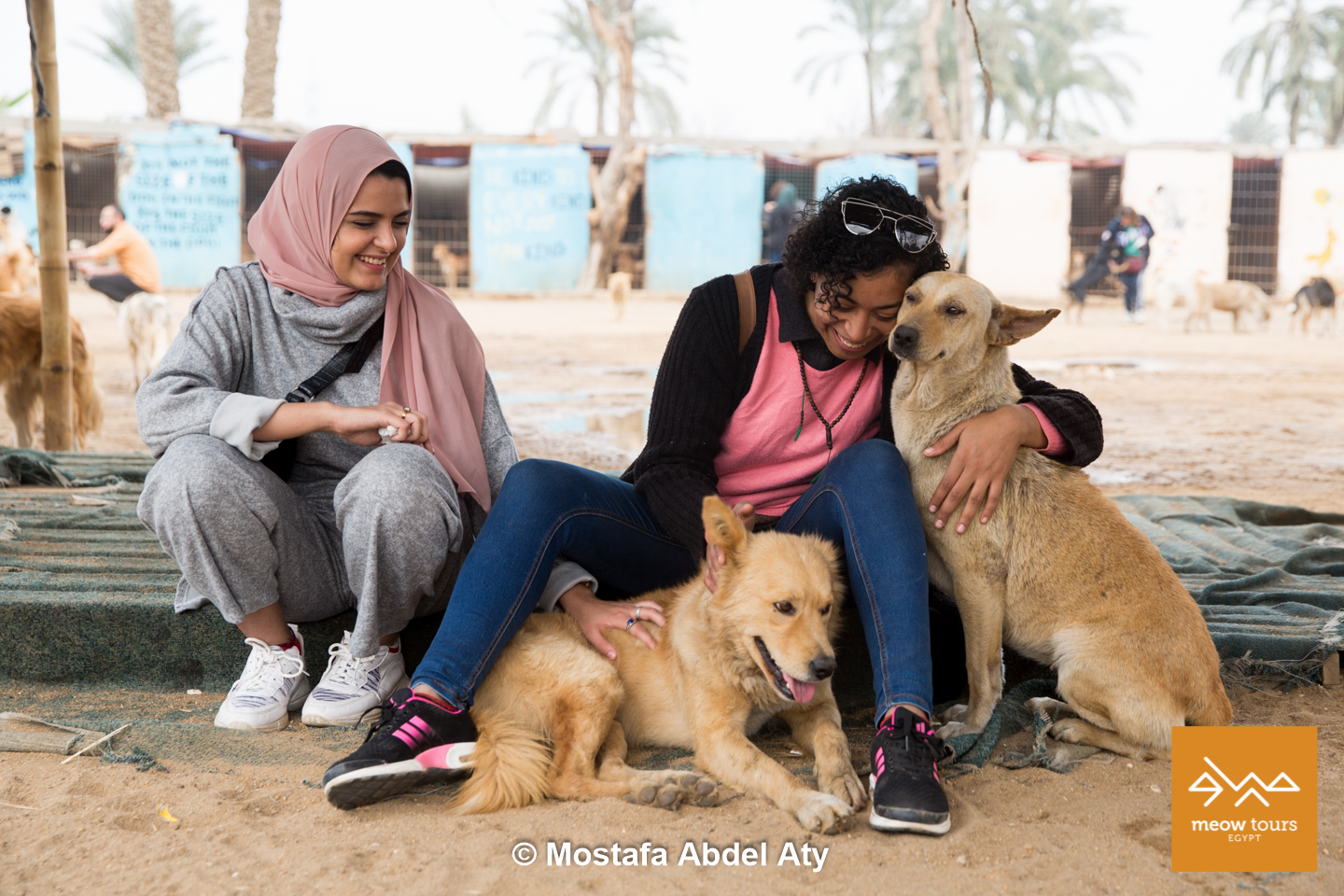
Meow Tours’ events bring together people who are comfortable around animals with those who are not, allowing participants to approach animals gradually and at their own pace.
Some people arrive nervous. Others are genuinely frightened.
But Abdel Aty says there is one rule: nobody can be forced.
“If they can’t do it, you can’t force them at all,” he says.
For someone to overcome a fear, they have to want to confront it themselves, and some people make remarkable progress.
Abdel Aty remembers one participant who joined Meow Tours in its early years and was afraid of animals. Rather than giving up, the participant kept coming back and gradually became more comfortable. Eventually, the transformation extended beyond the tours.
That man now looks after cats and dogs in his neighbourhood, feeding them and standing up for them when necessary.
That is the kind of change Meow Tours is ultimately trying to create, according to Abdel Aty.
The goal is not to have someone spend a few hours feeding an animal and then return home, but to change the way they behave when they encounter animals in their everyday lives. Sometimes, that starts with something as simple as replacing fear with familiarity.
When Awareness Meets Resistance
However, changing people’s perceptions of animals is not always easy.
Abdel Aty says Meow Tours has faced hostility from people during its activities, with some asking participants to leave or asking them why they are feeding animals. Hostility has also followed them online.
“People go on our page and start insulting people,” Abdel Aty says. “There’s no longer a difference between a boy or a girl… everyone gets insulted. Anyone who responds gets insulted.”
He says the situation has become particularly troubling because some of the online attacks appear to be coordinated, with accounts repeatedly posting hostile comments, sometimes using fake accounts or prepared material.
And the accusations can become extreme.
Abdel Aty says people have accused many animal rights organizations of being funded by terrorists, affiliated with the Muslim Brotherhood, and even of being connected to the Mossad.
“Honestly, there were things that were really funny,” he says, reflecting on some of the accusations. But he does not treat the broader hostility as a joke.
He believes the conversation surrounding street animals has become increasingly aggressive, particularly when it comes to dogs.
Part of the problem, he says, is fear.
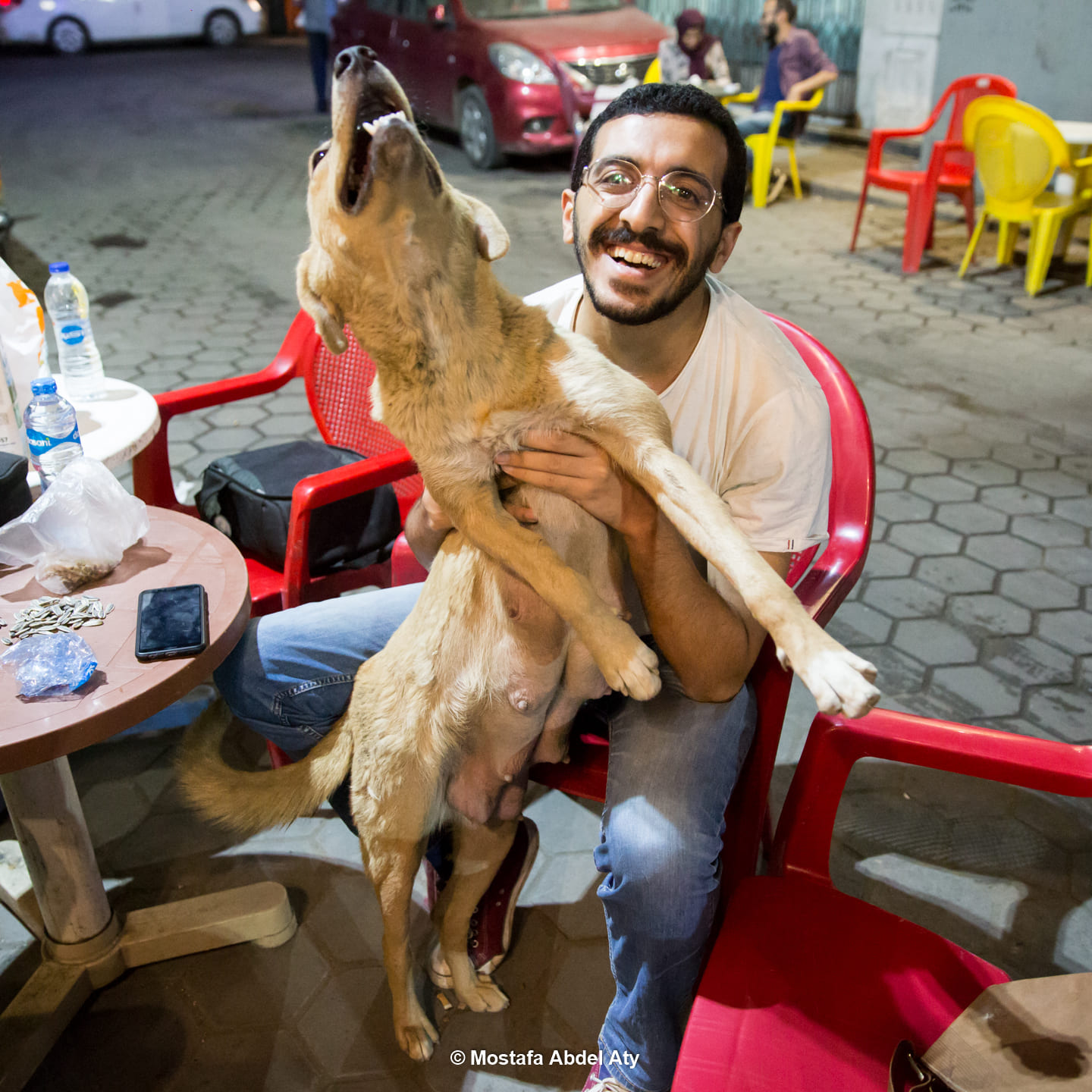
People can see a frightening story about a dog and begin to assume that every dog they encounter is dangerous. Abdel Aty sees the difference between that perception and his own experience every time he goes outside.
Abdel Aty says they usually encounter the same dogs in the neighbourhood. “We play with them, and we’re happy with them. Everything is beautiful. There’s nothing wrong.”
For him, the solution is not to dismiss people’s fears, but to educate them and give them opportunities to understand animals.
Why Awareness Matters
That is why Abdel Aty places so much emphasis on awareness.
“Instead of just rescuing the dying or injured ones,” he says. “We can try to prevent the problem from the beginning.”
Abdel Aty also emphasizes that they are not a rescue team and that they strictly raise awareness. That can mean teaching people how to approach animals, how to behave around them, and why certain actions can harm them. It also means challenging the idea that caring about animals comes at the expense of caring about people.
Some argue that resources should be directed toward humans rather than animals, but Abdel Aty questions why one contradicts the other. Animal welfare is part of the wider environment for him, and awareness is an investment in the future.
Yet, he says, animal welfare initiatives still struggle to find funding.
The Sustainability Problem
For all the community Meow Tours has built, keeping the initiative running has not been easy.
Abdel Aty says he has personally covered many of its expenses.
“From my own pocket,” he says. “There’s no sustainability.”
There have been occasions when an event did not attract enough bookings to cover its costs, but he chose to continue rather than cancel it and paid the difference himself.
The same challenge applies to travelling for activities outside Cairo.
And then there is the problem of time.
Abdel Aty has his own work and responsibilities, while Meow Tours requires organisation, communication, social media, event planning and coordination. Volunteers have helped with some of those responsibilities over the years. Some have worked on social media, graphic design or event organisation. But keeping volunteers involved for long periods has proved difficult.
Some stay for years. Others leave after only a few days, which is one of the biggest challenges facing the initiative.
Abdel Aty wants to move toward a more sustainable model in which people can take on defined roles and be paid for their work, rather than having the entire initiative depend on unpaid labour and his own personal resources.
Finding Different Ways to Tell the Story
Despite those difficulties, Meow Tours has continued experimenting with ways to bring its message to new audiences.
Not every activity has involved simply walking through the streets with food. They have also hosted events where proceeds could support animal shelters. The events have also explored photography as a way of documenting and changing perceptions of street animals.
That approach became particularly relevant to Abdel Aty as a photographer himself.
A photography workshop allowed participants to focus on street animals and the people who care for them, transforming an everyday sight in Cairo into something worth observing more closely.
For Abdel Aty, art can become another form of awareness, as it allows people to look at animals differently without necessarily being told what to think.
And that is consistent with the broader philosophy behind Meow Tours: create an experience first, then allow that experience to change someone’s perception.
The Generation He Wants to Reach
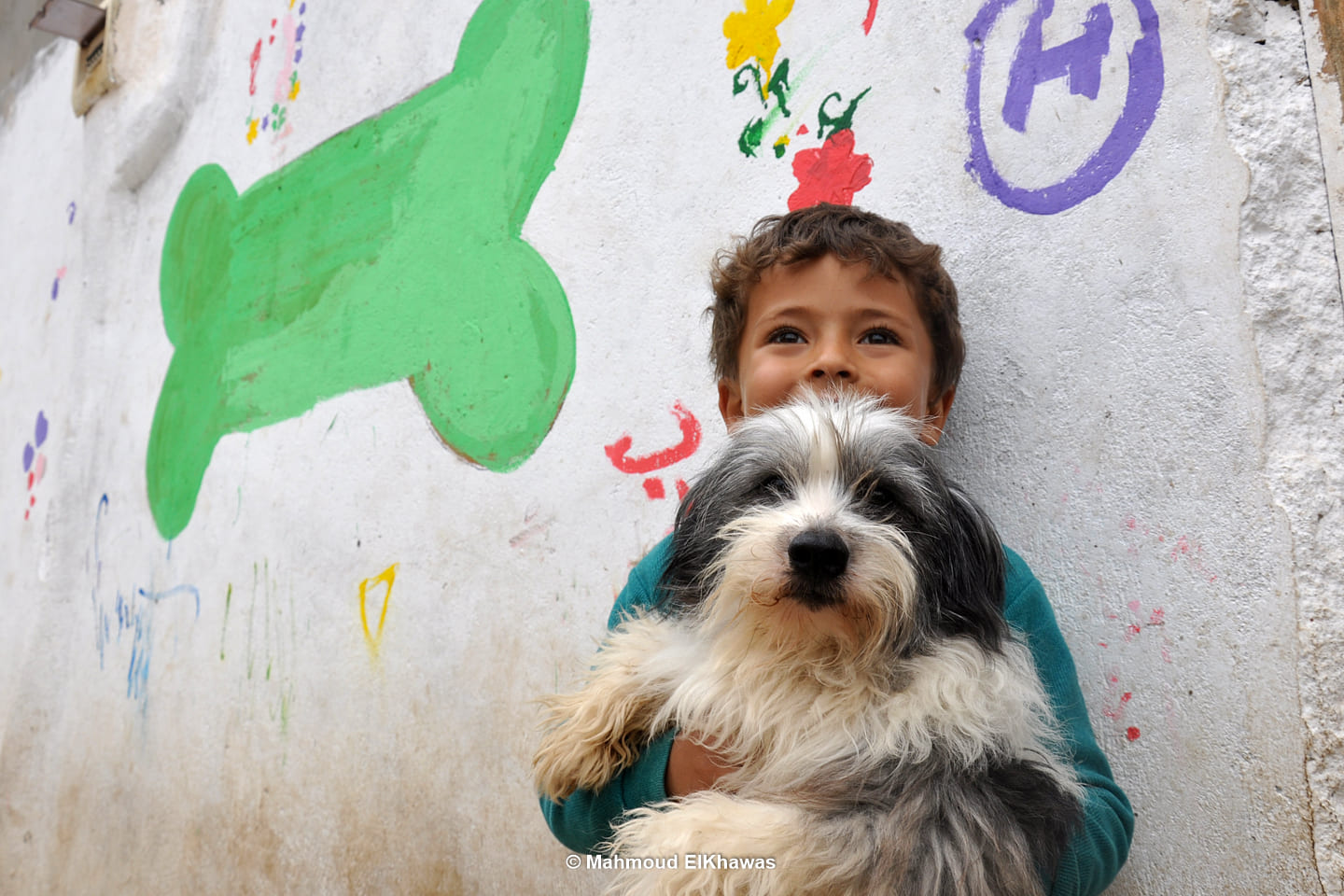
More importantly, there is one type of audience Abdel Aty especially wants to reach in the future: children.
“I want to work on schools and universities,” he says. “I want to develop educational programs.”
If children grow up understanding animals and learning how to interact with them, they may be less likely to develop the same fears and misconceptions later in life, Abdel Aty notes. However, establishing programmes in schools and universities is difficult.
It requires repeated communication, time and consistency, all of which are challenging when Abdel Aty is already running the initiative alongside his own career.
Still, it remains one of the things he wants to pursue, as changing the relationship between humans and animals cannot happen overnight. It has to begin somewhere.
Why He Keeps Going
After years of organising tours, building a community, facing financial difficulties and dealing with waves of online abuse, Abdel Aty has had plenty of reasons to step back.“I choose to do it still,” he says.
There is no grand declaration behind the decision. He simply believes he can make a difference and wants to do it in his own way.
He acknowledges that Meow Tours has not solved every problem it set out to address. There are things he still wants to build, audiences he has not yet reached, and challenges around funding and sustainability that remain unresolved.
But he can see changes.
There are people who once felt alone in caring about animals who now have a community. There are people who once feared animals who have learned to interact with them. There are participants who have taken what they learned on a tour and carried it into their own neighbourhoods.
And there are people who, even if they never join a Meow Tour themselves, may see a photograph, a video or a group of people feeding animals and think differently the next time they encounter one.
“I see that there is a difference happening because of this,” Abdel Aty says.
Perhaps that is the real journey behind Meow Tours.
For Abdel Aty, sometimes changing that relationship begins with nothing more complicated than a bag of food, an open mind, and the willingness to stop.
KioskNews shows a cleaned-up reading view extracted from the publisher’s page — the original always lives on their site, not ours.