4 Reasons To Watch Historical C-Drama “Against The Current”
Starring Tan Song Yun and Liu Xue Yi, “Against the Current” is a masterclass in storytelling. The drama, set against the backdrop of feudal China, is a gripping and immersive narrative that explores power, ambition, and family dynamics through a cast of characters. Some are flawed, others are razor-sharp, and all are driven by the need to survive.
Shen Jia Lan (Tan Song Yun) comes from a family of academics. Her grandfather is the Grand Secretary Shen, an influential figure in court politics. She is betrothed to Lin Jin Qi (Liu Xue Yi), who comes from a family of prestigious civil officers. But when her grandfather is charged for treason, Jin Qi’s father breaks off the engagement.
The Shen men are executed, and the women are taken in confinement to the Imperial musical bureau. However, Jia Lan is saved by Xu Wan Quan and his wife, a couple of humble origins who were helped by Jia Lan’s mother. They have lost their only child, a daughter, to an illness, and Jia Lan takes on the identity of their daughter, Xu Lan Xiang.
Years later, Lan Xiang enters the Lin home as a low ranking maid, where her adoptive parents had served. Given her perceptive nature and high level intelligence, Jin Qi, now a high ranking official, chooses her as his maid. She becomes his eyes and ears, helping him navigate scandals, challenges, and politics.
“Against the Current” is a mature and compelling tale of human survival, family dynamics, and the social and political hierarchy which defines people and their choices. It also showcases the determination and conviction of the principal characters as they beat the odds and rewrite their own destiny. Here are four reasons why this drama should be on your watch list.
Warning: spoilers ahead!
A formidable female lead
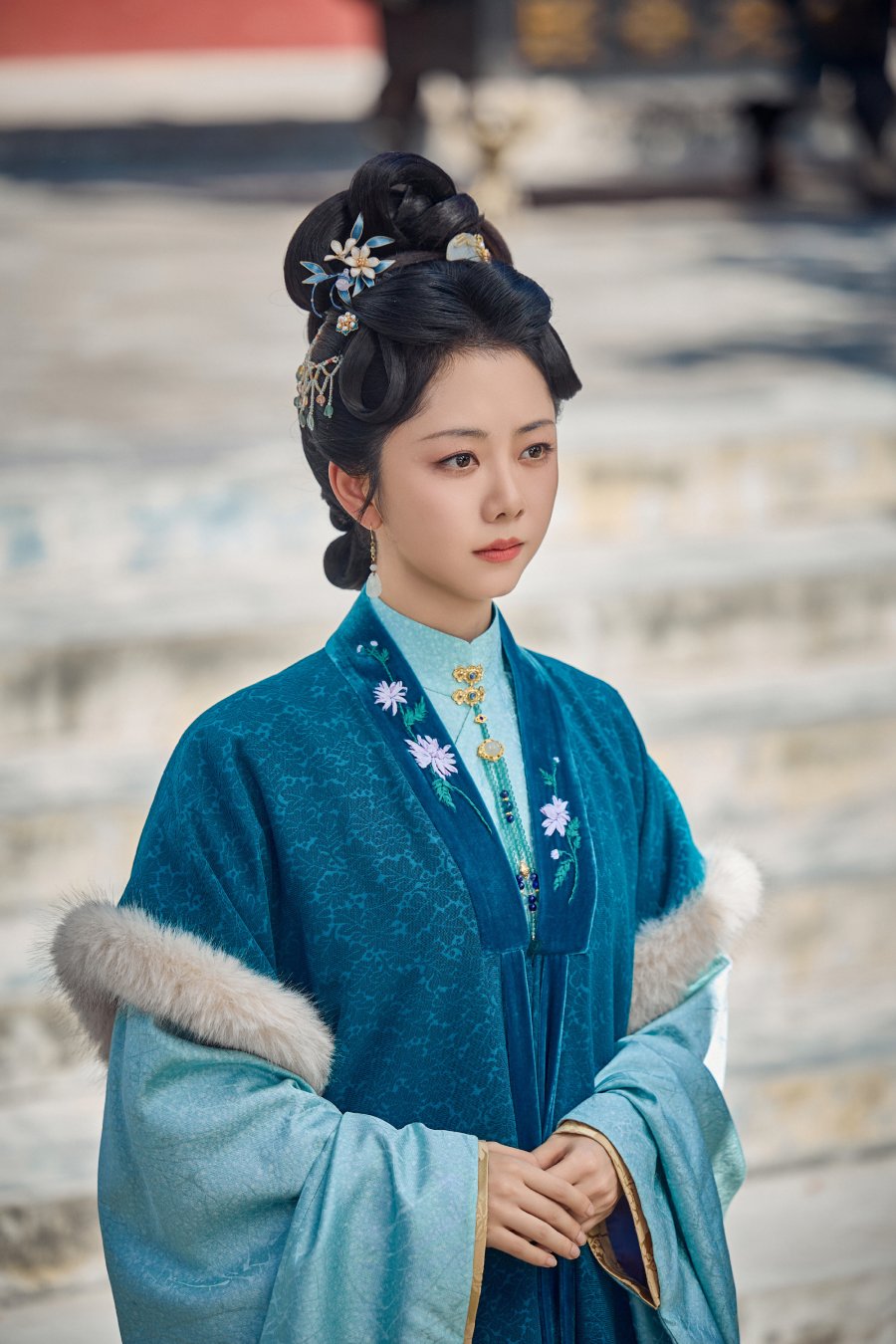
When we first meet Jia Lan, she has picked up a protective charm for her fiancé, Jin Qi, who is studying for his civil service exams. Jia Lan is well read, has a deep understanding of literature and the arts, and conducts herself with grace. However, when the life she knows and the one she dreams about are cruelly taken away from her, Jia Lan is in shock. As Lan Xiang, she heals and adapts to her new life, never once allowing the shadow of her former life to overtake her current reality.
Protected and pampered by the Xu couple, she helps her father learn how to read and write and even saves him from tricky situations. In a time and place when only women from the nobility and royal families had access to education, Lan Xiang tries to downplay her learning ability, but her intelligence, quick wit, and ability to read between the lines stand her in good stead.
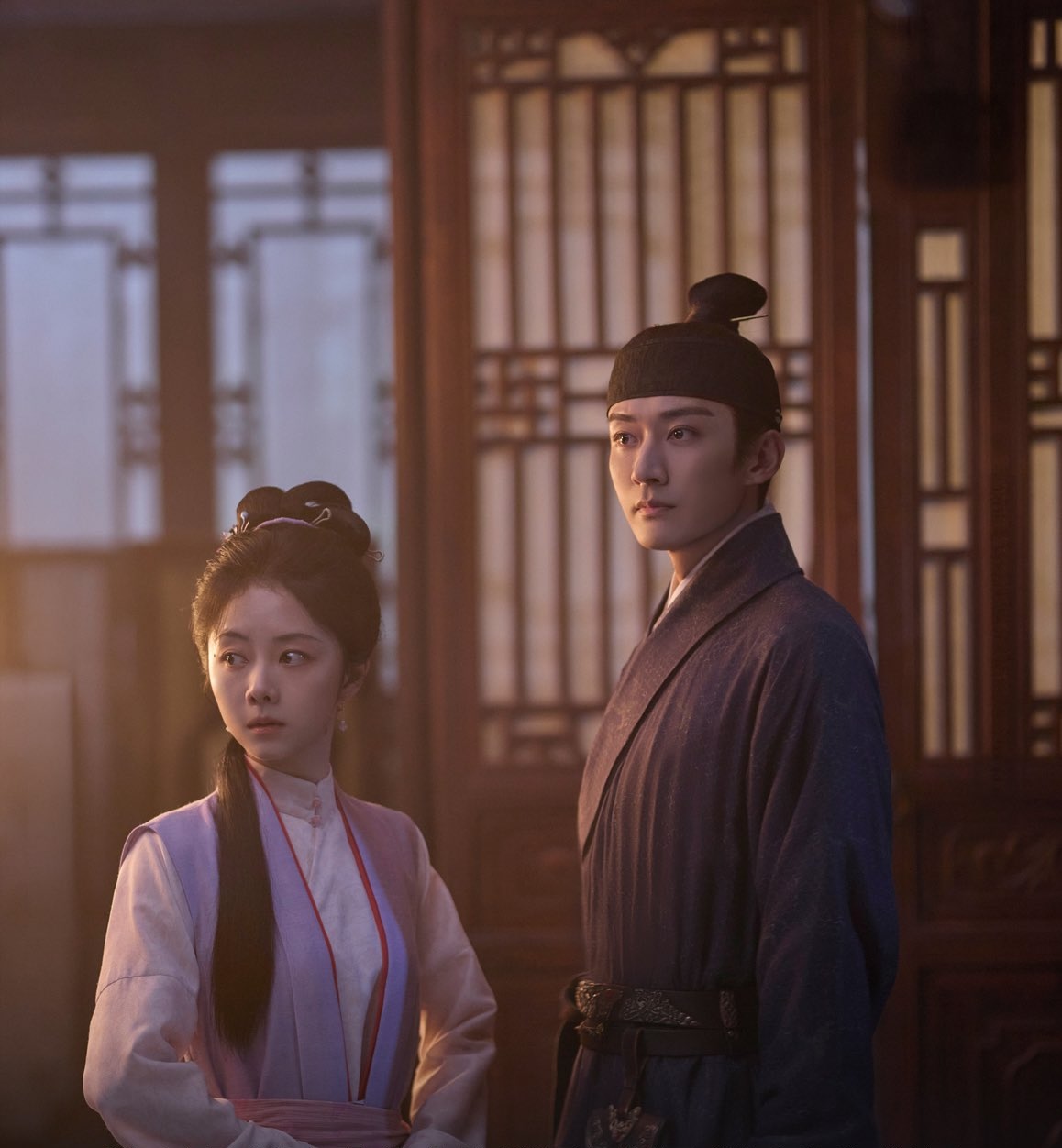
When she joins the Lin household as a maid, she conducts herself with utmost dignity. Once prepared to be the lady of the house, but is now relegated to the rank of a maid, she shows no remorse or holds any grudge. Despite being cruelly treated by Jin Qi’s wife, Zhao Xing Tang (Li Meng), Lan Xiang remains steadfast.
What is admirable about her is how nothing escapes her eyes, from Zhao Xing Tang embezzling household funds and continuing her affair with her former lover to the arrival of the mysterious and calculating Du Cui Que (Zheng He Hui Zi).
It is her selfless service which wins her the favor of Jin Qi, his family, and the rest of the staff around. Though their many detractors hate her guts, she remains composed and unwavering, never once yielding to emotions about either her past or her present.
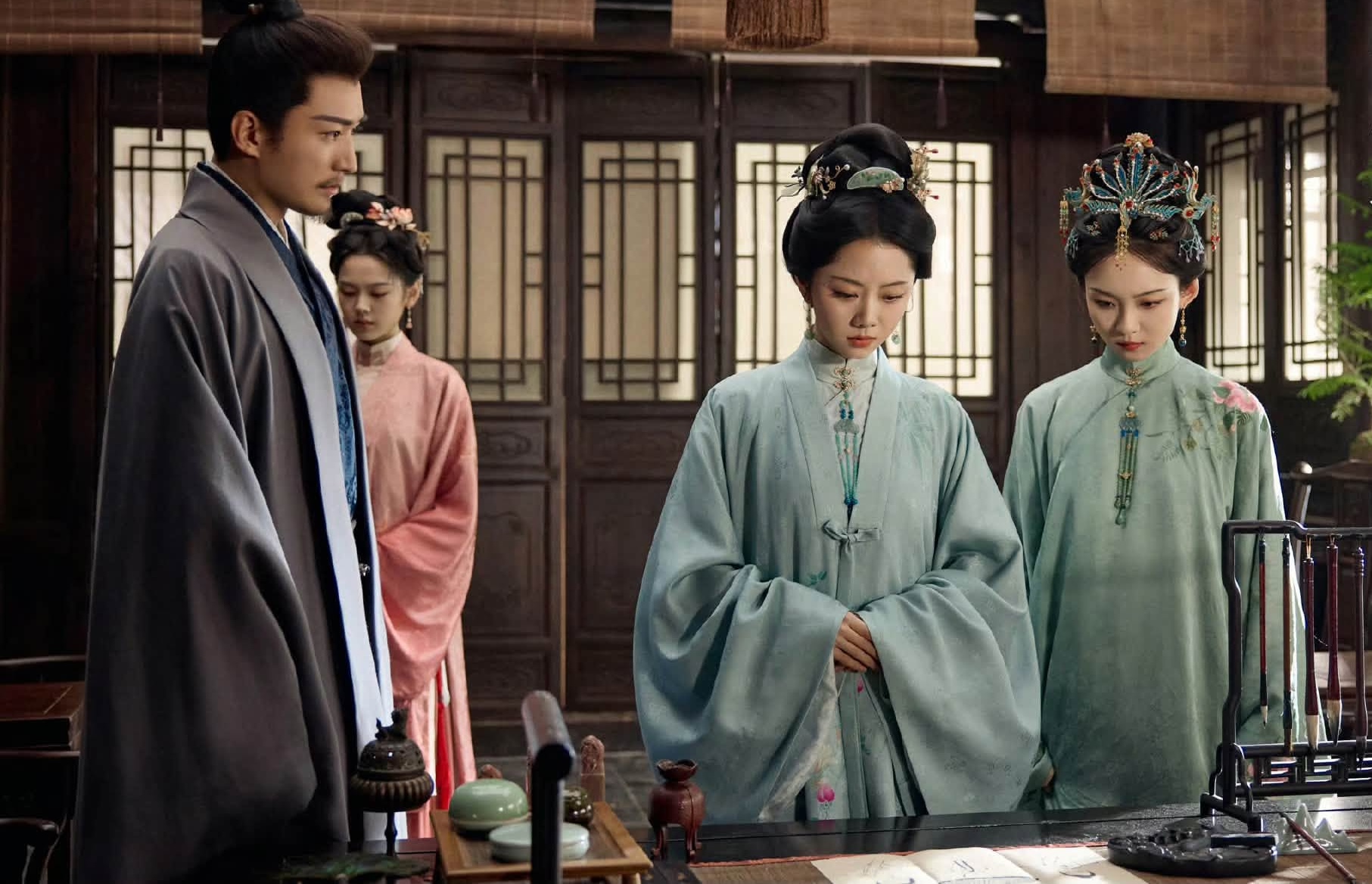
As she remains unshaken, she reminds herself and those around her that all one can do is try their best to survive in whatever circumstances.
Given her unyielding inner strength, she remains impassive around Jin Qi. For a woman who was rejected by the family and the man she was to marry, she never lets feelings overtake her. Her goal is to buy her family’s freedom from servitude so they can be emancipated and live life away from bondage of any sort.
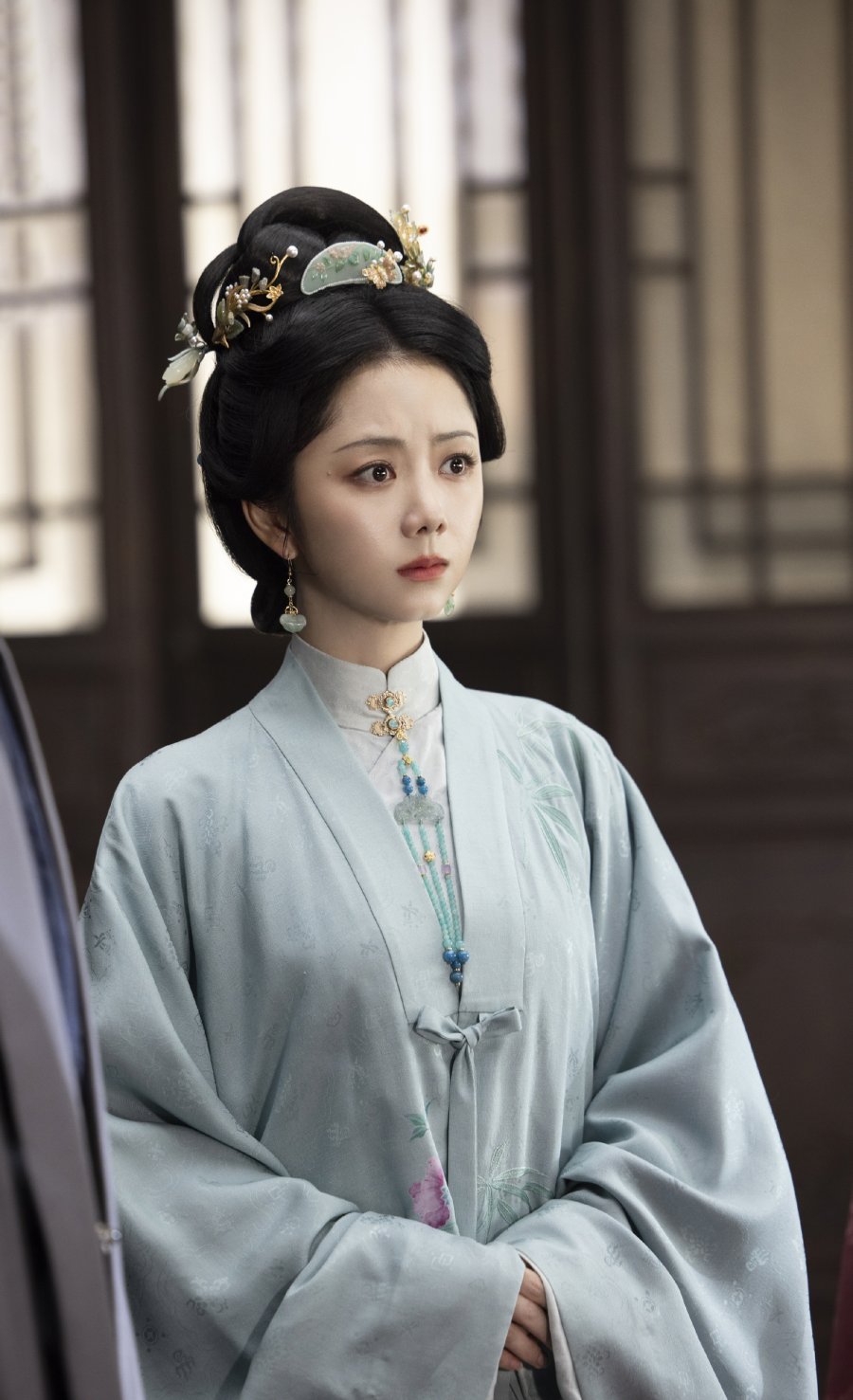
Tan Song Yun’s nuanced and understated performance lends Lan Xiang agency. Since Lan Xiang is not a woman who needs to shout to be heard, the actor articulates the character’s arc with an instinctive ease, making her feel lived in.
A mature, slow-burn love story
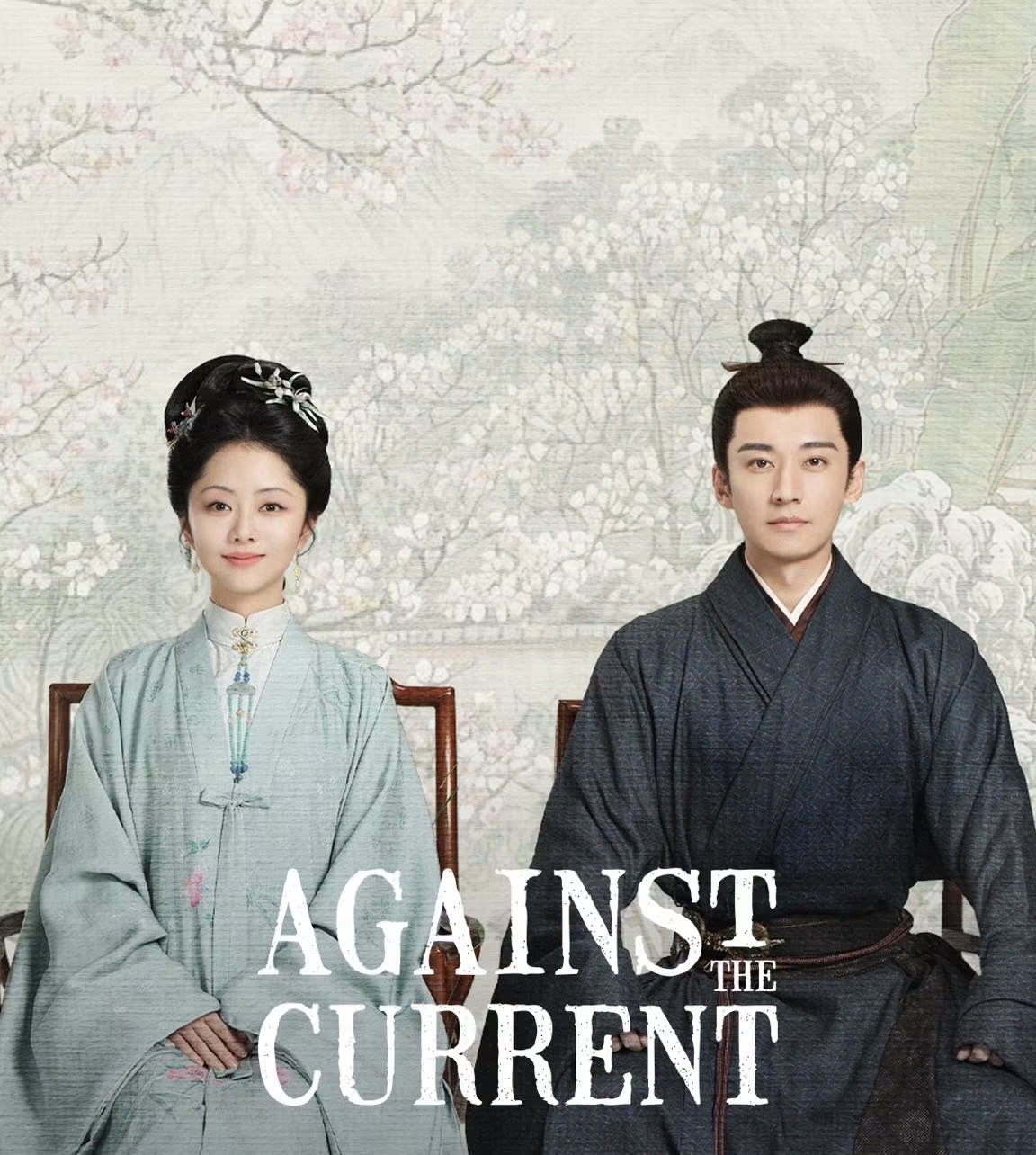
When Lan Xiang enters the Lin household to serve Jin Qi’s calculating wife, Zhao Xing Tang, who is infamous for her volatile temper, he barely looks in Lan Xiang’s direction. Aware of his wife’s misappropriation of funds, he tries to set a trap for her, but it is Lan Xiang who unwittingly comes across the accounting register and deciphers the errors, unseen by most.
Jin Qi is surprised that a low-ranking maid could comprehend something so intricate. Lan Xiang also helps him uncover his wife’s affair and end his marriage with Xing Tang. She is promoted to Jin Qi’s maid and put in charge of his study. High on intellect and quick on her feet, he finds her intriguing.
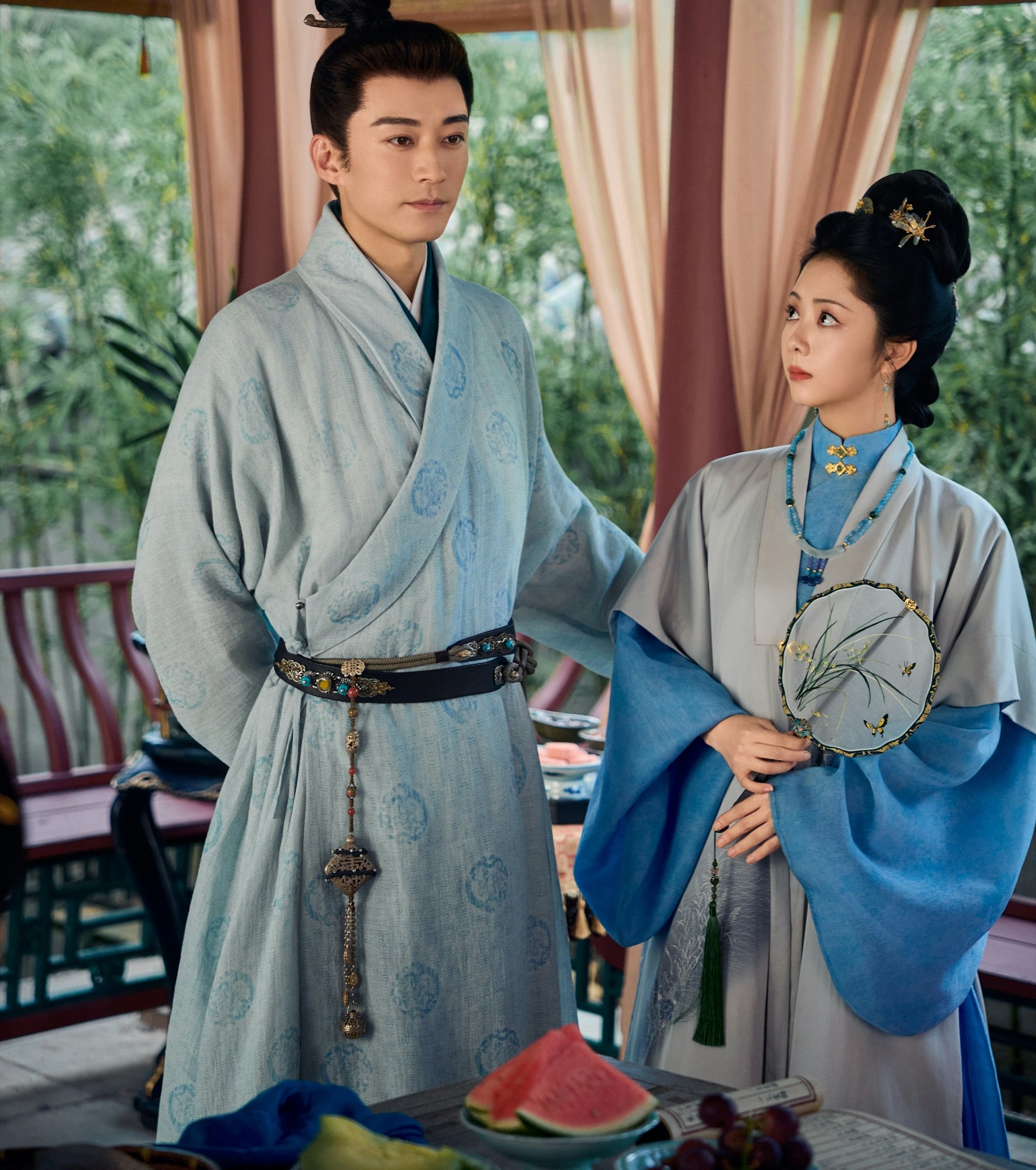
His admiration for her continues to grow as she braves danger and helps him investigate the soldiers’ uniform crisis. Even when Jin Qi is suspended and Lan Xiang is gravely hurt, she stands strong, winning his respect. It is perhaps at the moment when he sees her telling stories of the bravery of ordinary men to the naval sailors in the maritime yard that his expression and gaze towards her is a mix of awe and an unspoken tenderness. And the first seeds of attraction are laid.
Jin Qi’s growing fondness for Lan Xiang stems from admiration and soon transforms into deep respect for the grace with which she handles everything. His remark that she is too intelligent to be a maid comes from his appreciation of her exceptional abilities.
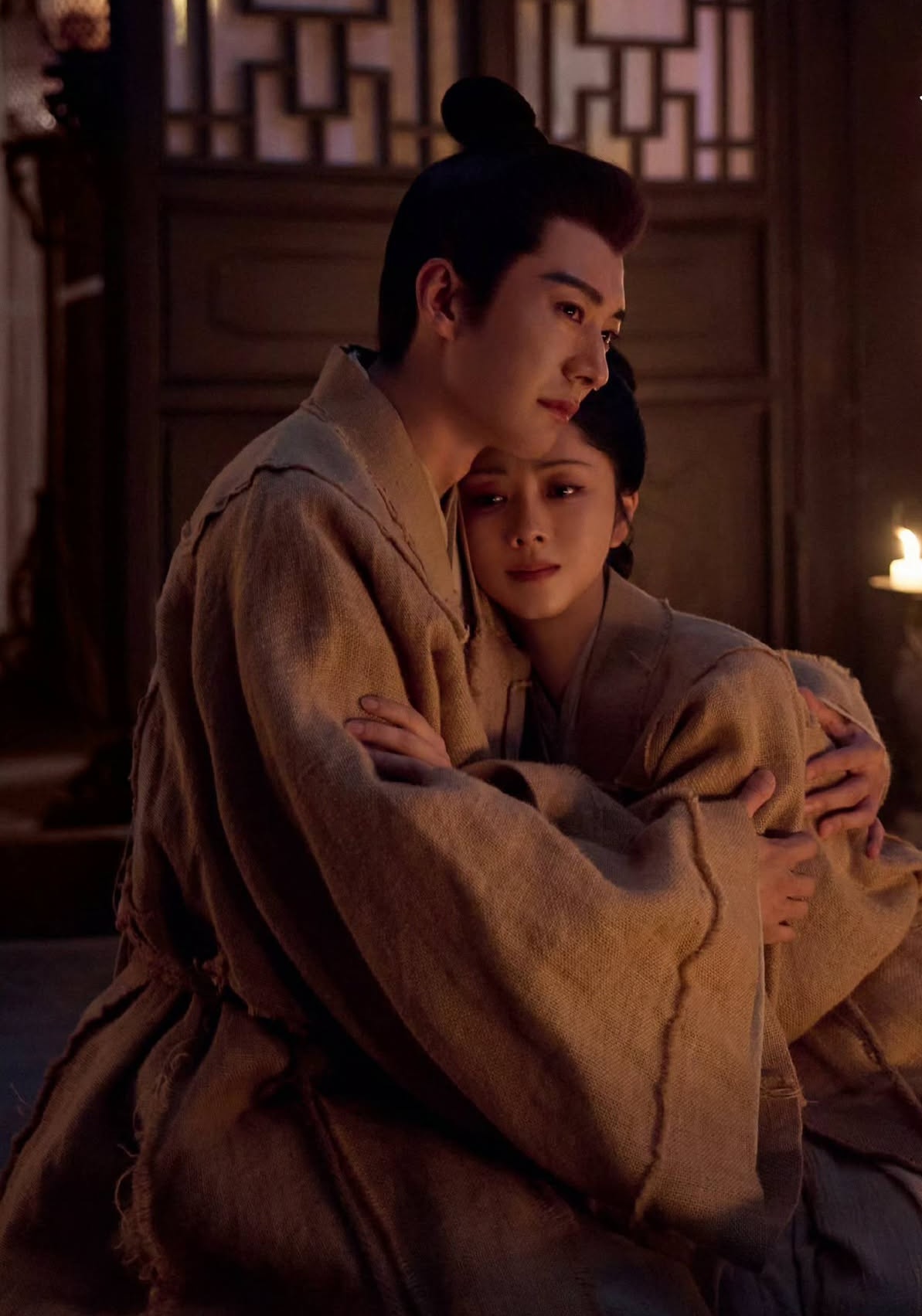
Even in close proximity to the man who was to become her husband, Lan Xiang remains stoic and calm. There are no cymbals playing in the background and no rushed heartbeats when their eyes meet or hands touch. For her, he is just a master and she is his maid, helping him to protect his own.
Jin Qi is the one who pines for her when she leaves with her family, having freed themselves from servitude. Seeing her happy and content, he sees her as person who knows how to lead a fulfilling life, irrespective of her circumstances.
He knows she is the woman he wants to marry and have by his side. Lan Xiang is not a woman to be swayed by titles or death, but she is outraged when he coerces her to marry him using his military might. She makes it clear that he will never be able to own her or make her subvert to his will. It is Jin Qi who has to redeem himself and win her trust. Their romance is a slow burn, which grows over time as they learn to love each other as individuals in their own right.
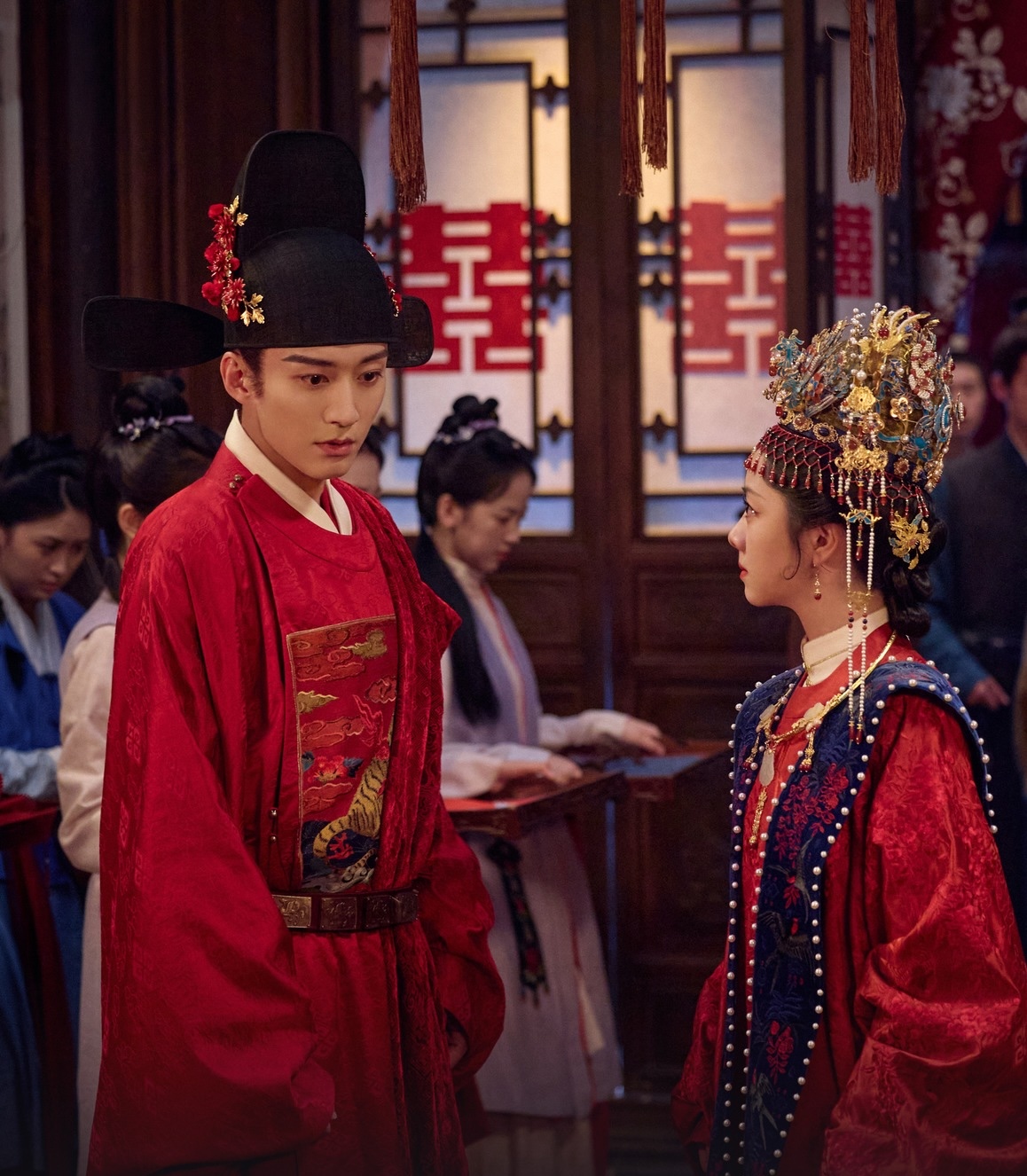
Liu Xue Yi as Jin Qi articulates his character’s emotions through his eyes and silences, giving a layered performance of a man caught between love and duty. And the show discards the tropes which accompany romances in situations of long-lost lovers reuniting and mistaken identities being discovered. Rather, it impresses upon the viewer that these two are just humans trying to grow into the best versions of themselves.
Women who write their own stories
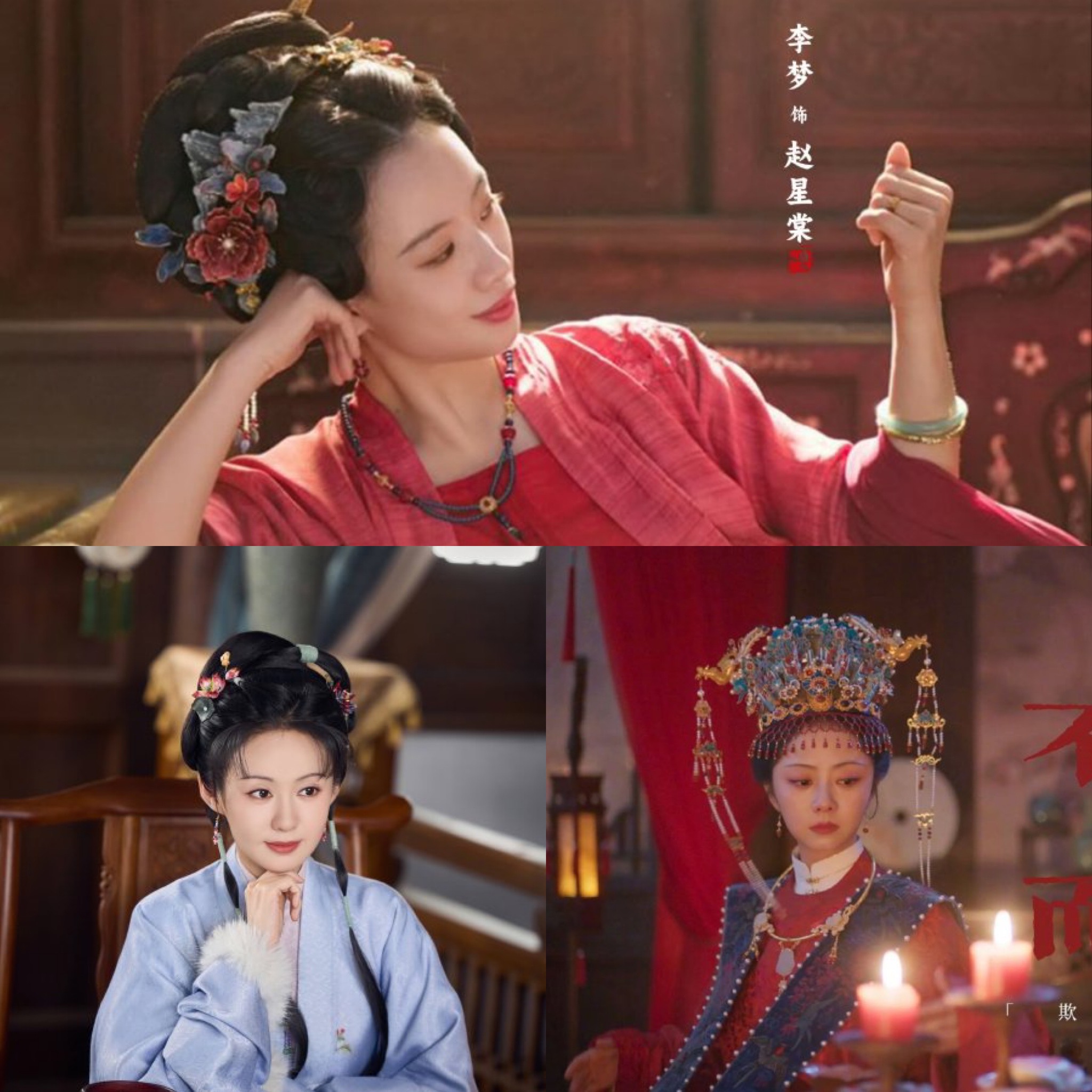
History has never been kind to women or their stories, but “Against the Current” showcases the many shades of women, who are usually painted as black or white. It’s the shades of grey and the many colors in between that we get to see.
There is Lan Xiang, whose life and identity are taken away from her, but being pragmatic, she approaches everything with tactical quietude.
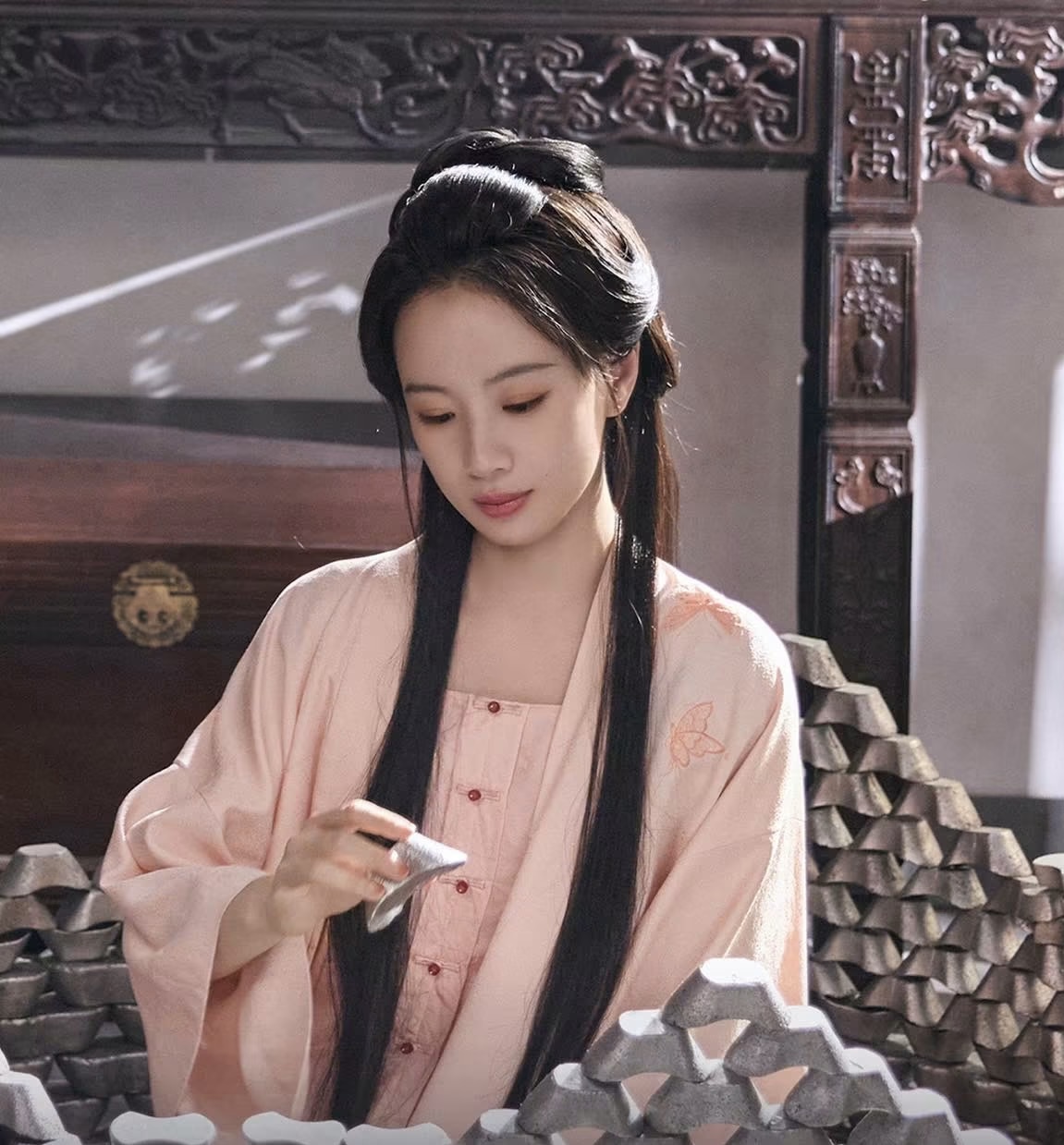
There is also Zhao Xing Tang, Jin Qi’s first wife, who is known to be unscrupulous and viciously barbaric in her dealings with everyone. She rejects Jin Qi on their wedding day and makes sure their relationship is nothing but one in name. In love with someone else, having lost her child, and coerced into a marriage by her family, Xing Tang is a woman who is bitter and resentful for being denied the life she wanted.
When her own lover turns against her after they are caught, she realizes that in a world where humans and their feelings change swiftly, the only thing she loves is money. Xing Tang confesses that she loves her many reserves of silver and gold because they neither hurt her nor turn against her. Rather, they give her the security and happiness that no one else has ever given her. She is a woman who has been denied the right to study, to love, and to live her life the way she wants, and her actions of anger come from her despair.
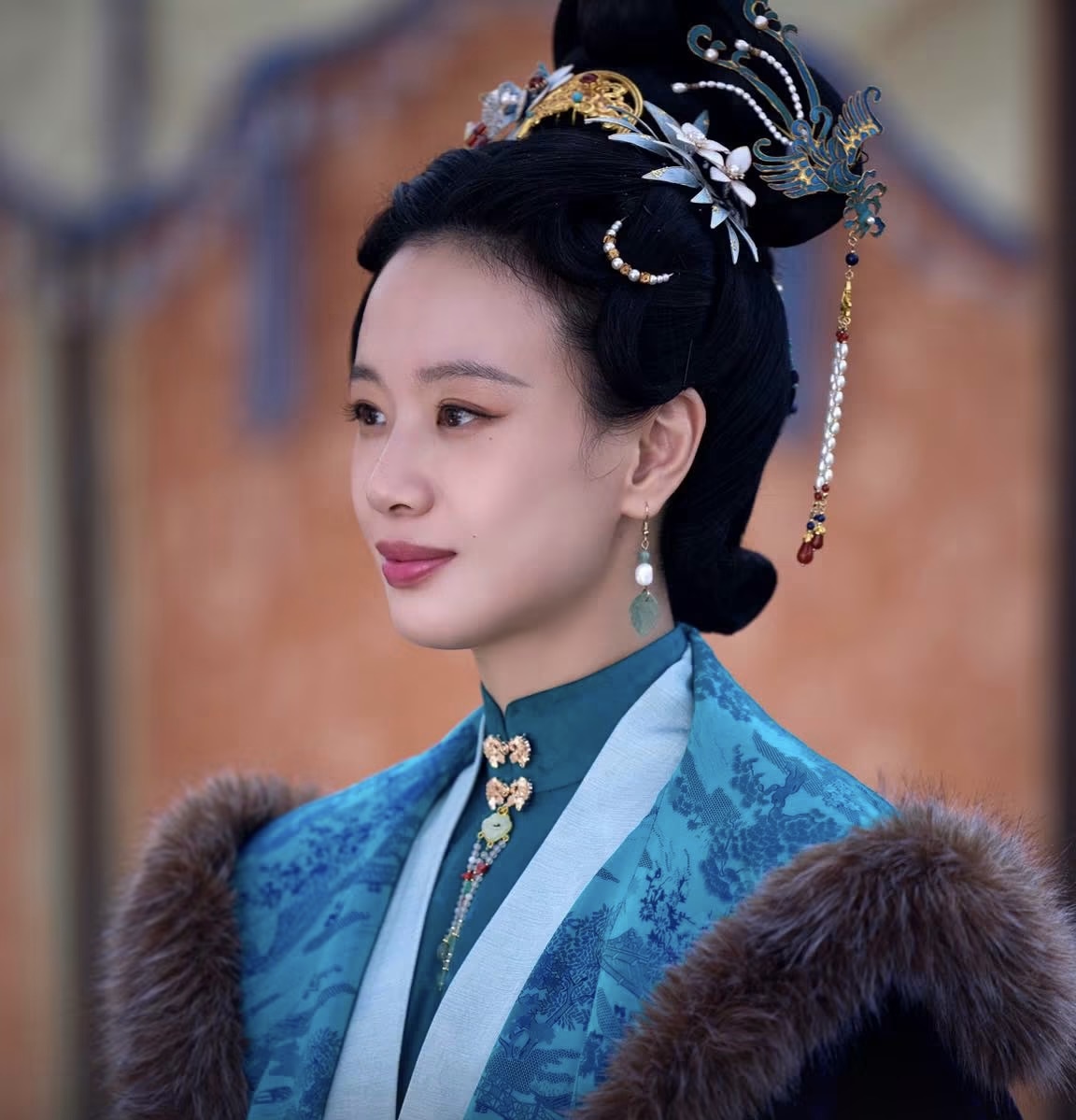
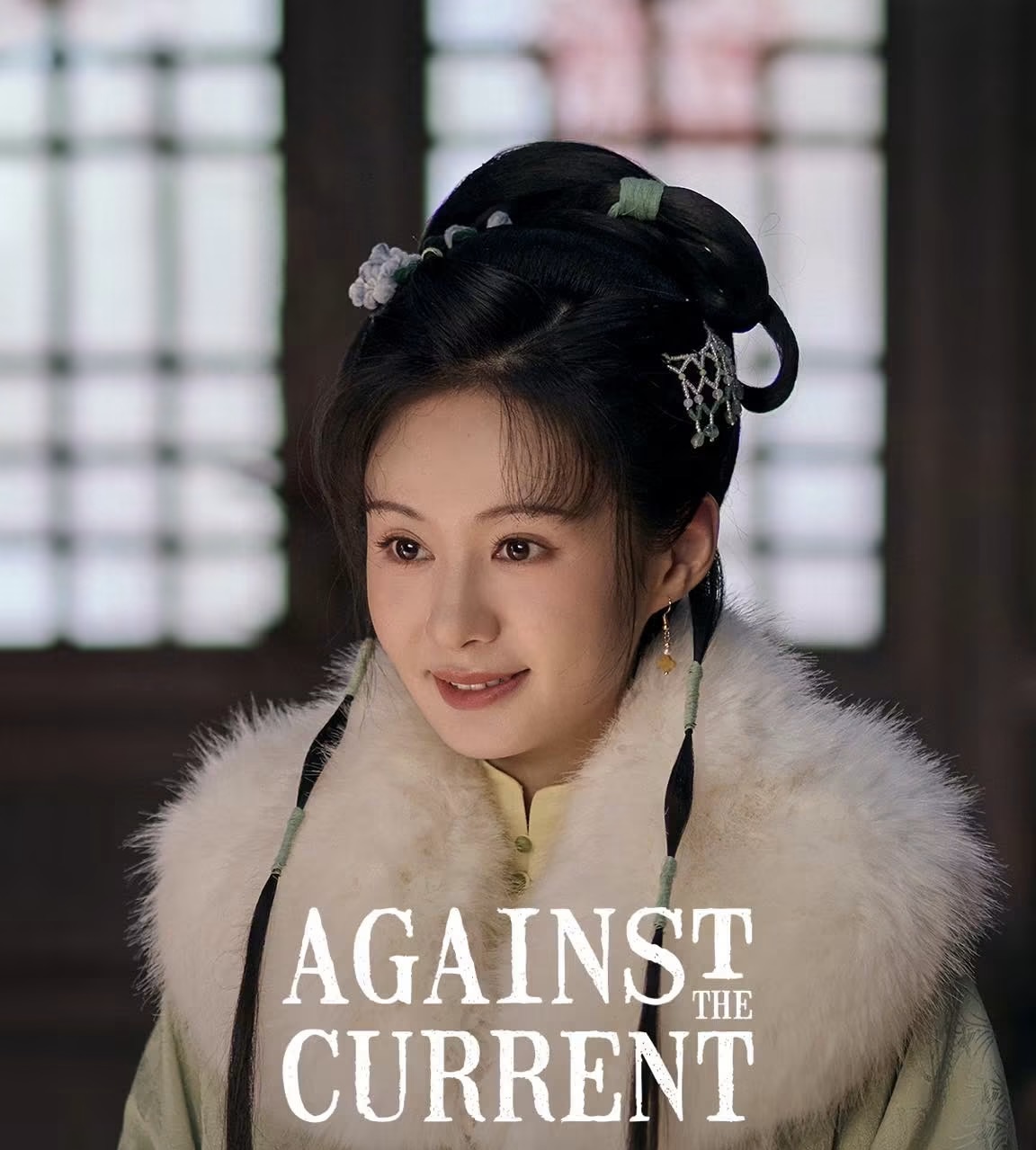
Then there is Du Cui Que, from humble and poor origins. Educated and with an understanding of medicine, she is aware that the edicts and rules of society would never allow her to elevate her status by marriage into a reputable family. She is fated to be either a concubine or to marry someone from a similar background. Cui Que schemes her way through people; in her head, you don’t get mad but get even.
There are also Jin Qi’s sisters as well as the maids in the Lin home, each with their own dreams and aspirations, but with fates written by men and women who are conditioned by the patriarchy. As each of these characters rewrites their story, defying the very boundaries that have been set for them, we get wholesome women who are equally flawed and fractured.
A compelling narrative
“Against the Current” is an engrossing drama that keeps you invested in the lives of its characters and the situations unfolding around them. The characters come from different rungs of the political and social hierarchy and, despite their differences, each one is just doing their best to survive. Take the Lins, who betray the Shens so as not to be executed and enter into a partnership with the Zhaos. Known for their leanings towards the royal court, they are all in a struggle to endure and win.
The Lins and Zhaos are power players, known for their shifting and strategic alliances. For them, power is freedom: the freedom to make their own rules and make others live by them.
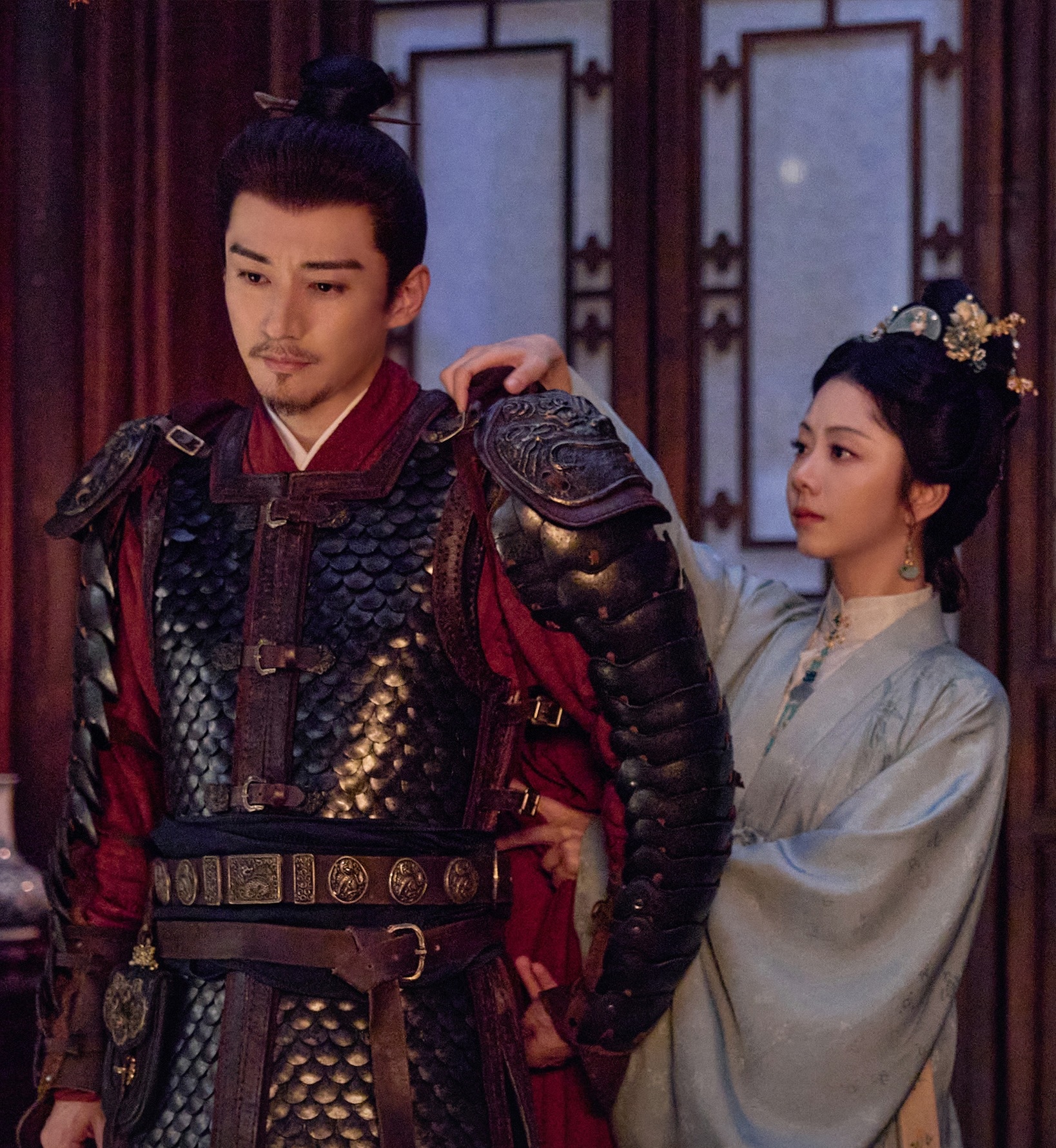
There is also the Xus, forced into a life of servitude and exploited by those who bought them. Their idea of freedom is to be free and have access to the basic right to live. They represent the lowest rung of the ladder. In between are those like the Du siblings, who resort to manipulative games, even biting the very hand that feeds them to get what they want. The complexities of these characters are what make them well-rounded.
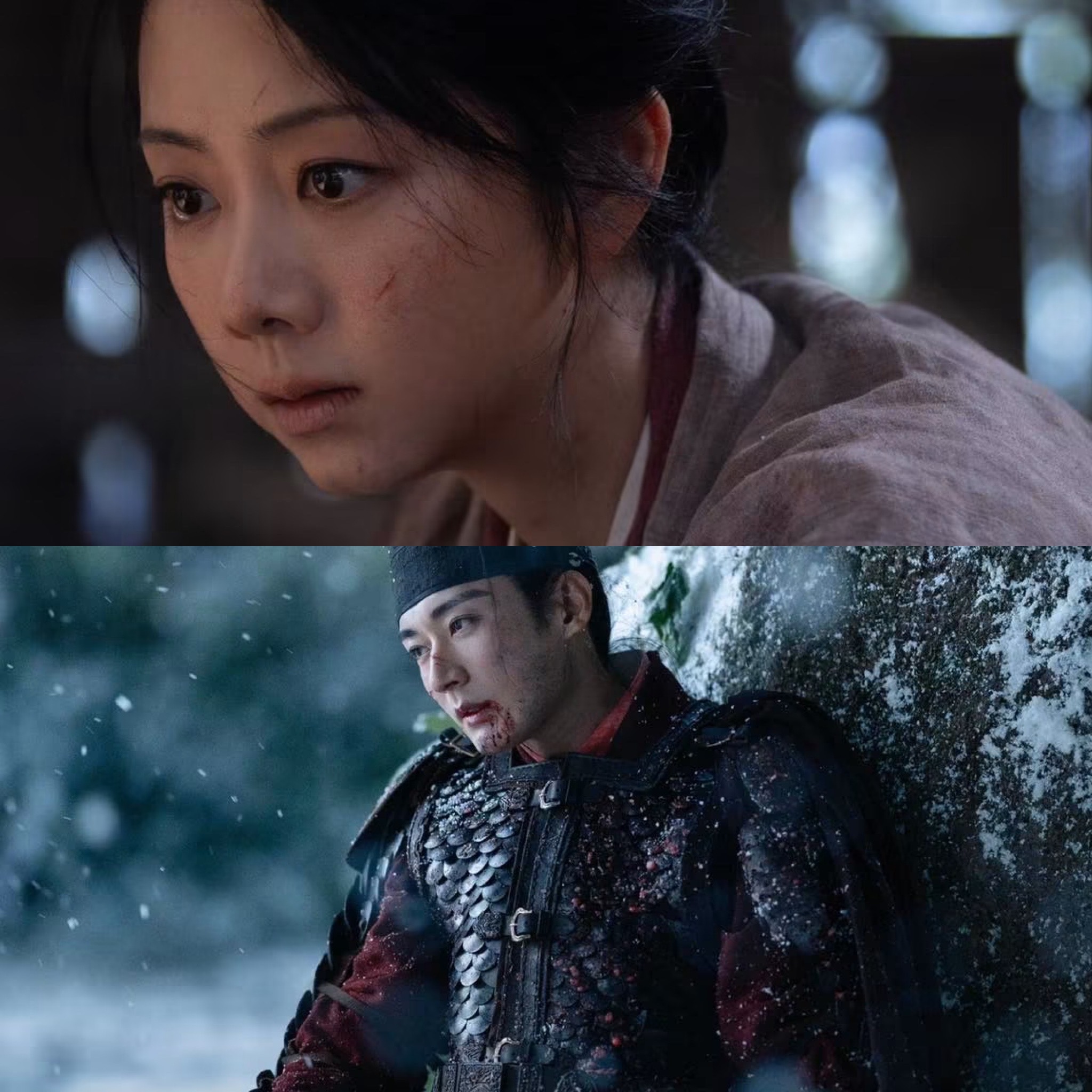
As the lives of all these characters become entwined, the show gives us a multi-tiered narrative that seamlessly balances the claustrophobic tensions of courtyard politics, the dangers of high-stakes conspiracies, and the relationships forged through alliance, but it never once loses the core of the human angle. It sheds the typical tropes in the dynamics between the male and female lead, making them relatable characters. The narrative is elevated by splendid performances from the ensemble cast, and the costumes, sets, and production values are on point, making “Against the Current” a wholesome watch.
Start watching “Against the Current”:
Puja Talwar is a Soompi writer with a strong Jing Bo Ran and Lee Junho bias. A long time K-drama fan, she loves devising alternate scenarios to the narratives. She has interviewed Lee Min Ho, Gong Yoo, Cha Eun Woo, and Ji Chang Wook to name a few. You can follow her at @puja_talwar7 on Instagram.
KioskNews shows a cleaned-up reading view extracted from the publisher’s page — the original always lives on their site, not ours.